




The Kenyan government just lost a major legal battle over press freedom. The High Court has thrown out a directive that banned live television and radio coverage of protests, ruling it was both illegal and unconstitutional.
Justice John Chigiti struck down the entire directive and barred the Communications Authority and other government agencies from trying to enforce it again. The case was brought by the Katiba Institute, and the judge sided completely with them.
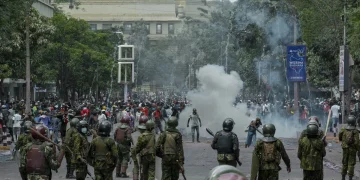
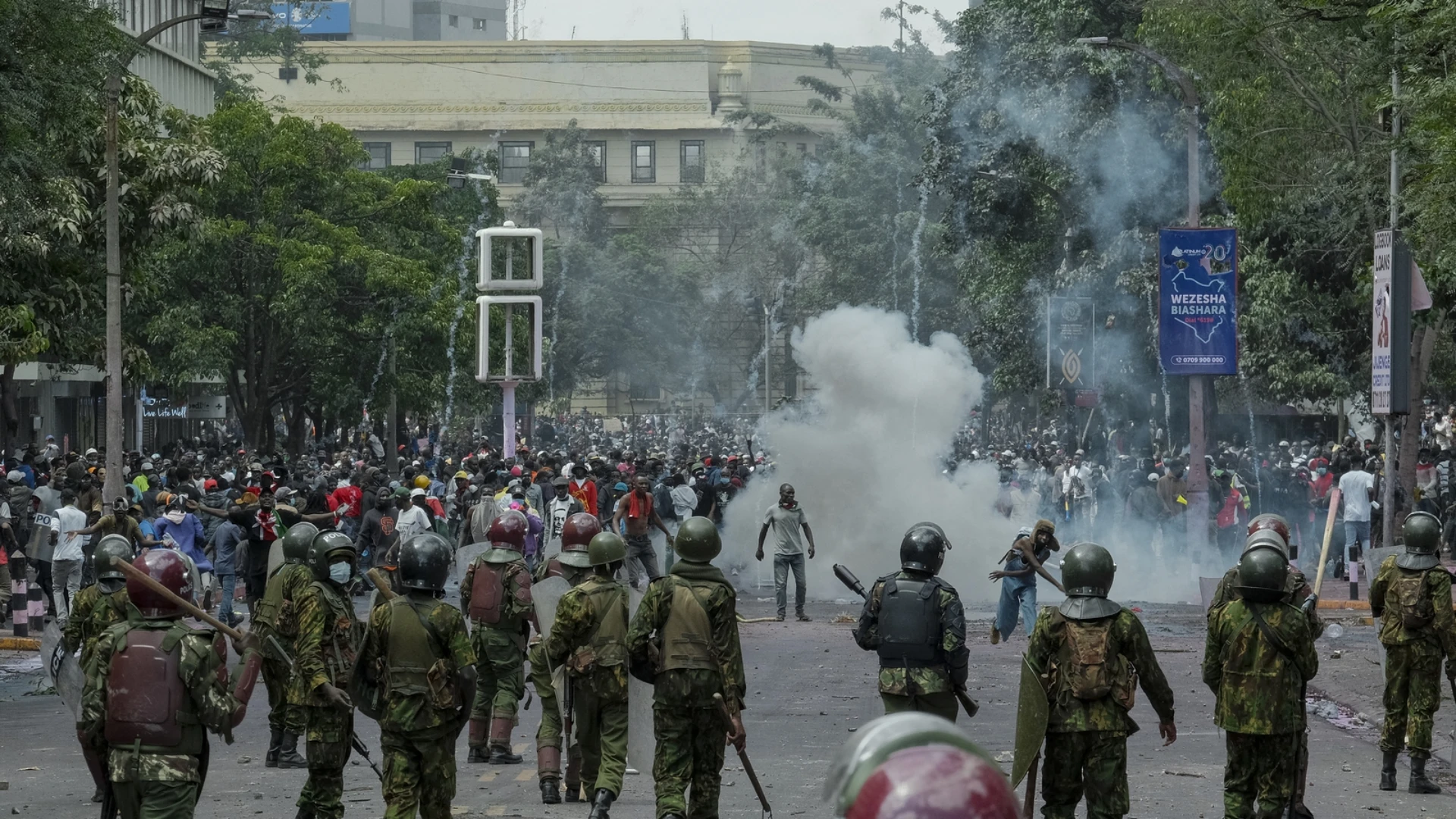
Back in June, Kenyans took to the streets for demonstrations on the 25th. Protests spread across at least 20 counties, including Nairobi, Mombasa, Nakuru, and Kisumu.
These were the one-year anniversary protests of last year’s Gen Z demonstrations, where young people voiced anger over economic policies and how the country was being run.
As the protests unfolded, the Communications Authority’s Director General David Mugonyi ordered all broadcasters to immediately stop live coverage.
He claimed the live broadcasts violated the Constitution and Kenya’s Information and Communications Act. Stations that didn’t comply would face regulatory punishment.
Immediately, the Law Society of Kenya, Kenya Editors Guild, and Katiba Institute went straight to court. They argued the ban trampled on three fundamental constitutional rights: freedom of expression, freedom of the media, and the right to information.
READ: Internet Throttling Sparks Controversy Amid Day Of Deadly Kenyan Protests
The Communications Authority had justified the ban by saying the media was showing chaotic scenes without following proper programming codes. However, human rights organizations accused the government of trying to hide police brutality and state overreach from public view.
Kenya Editors Guild President, Zubeidah Kananu, called it a deliberate attack on media independence. The guild pointed out that the Communications Authority was actually misusing constitutional provisions meant to protect free speech, not restrict it.
Articles 33 and 34 of the Constitution only limit expression when it involves hate speech, incitement to violence, or war propaganda. Live factual reporting doesn’t fall into any of those categories.
The editors also noted that this wasn’t the first time the Communications Authority had tried this move. A 2023 High Court ruling had already restrained the regulator from interfering with live broadcasts. The new directive essentially ignored that earlier court order.
Now, with Justice Chigiti’s ruling, the government has lost its power to order broadcast shutdowns or ban live coverage of protests and demonstrations.
It’s a huge win for press freedom in Kenya, especially as protests continue to be a regular feature of the country’s political scene.