




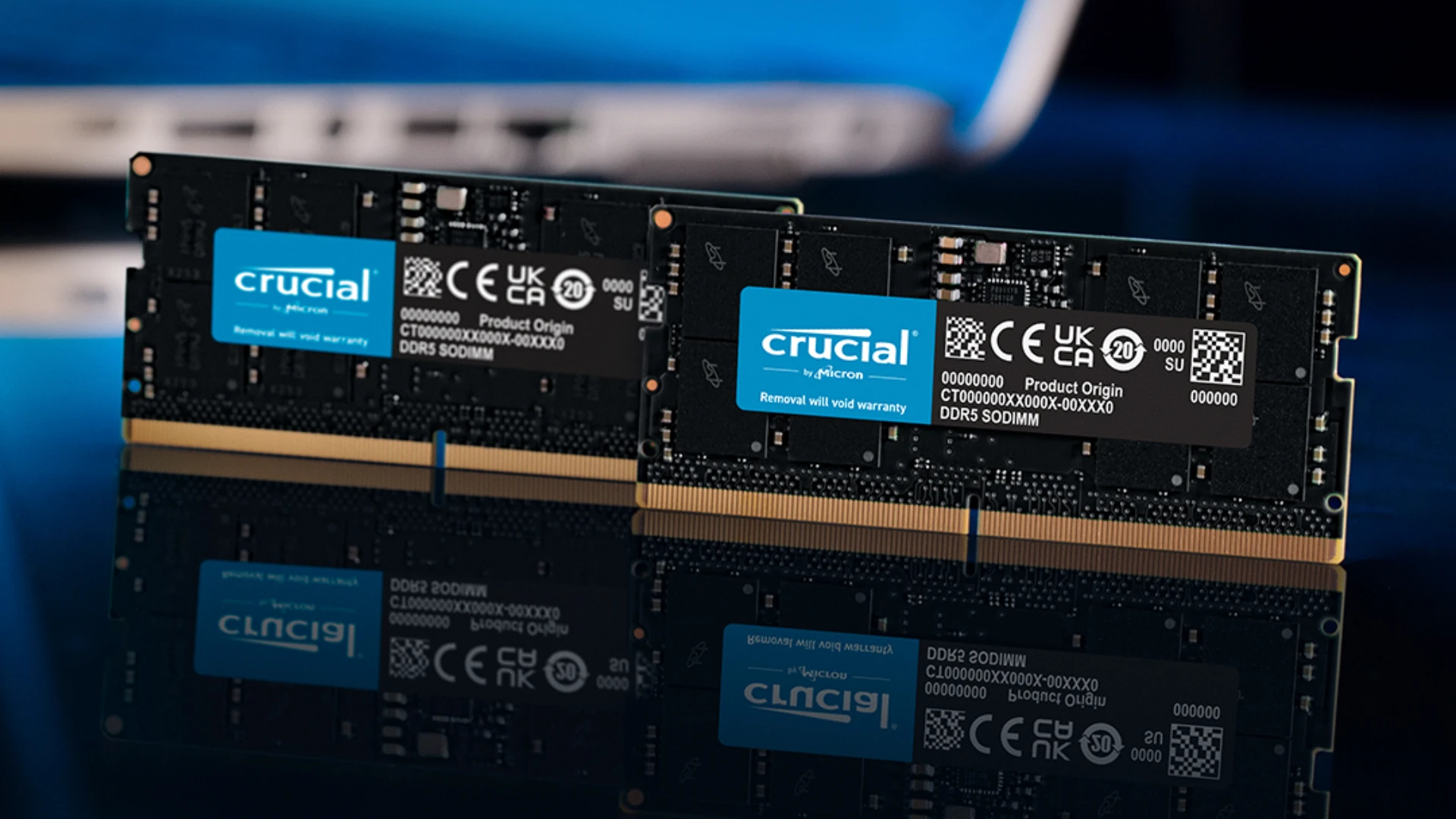
Micron just pulled the plug on Crucial, its consumer-focused memory brand, and the timing couldn’t be worse for anyone building or upgrading a PC.
The company announced yesterday it’s shutting down Crucial’s consumer operations to focus on “larger, strategic customers in faster-growing segments.” Basically, this is corporate speak for AI data centers that can afford to pay premium prices for memory chips.
Chief Business Officer Sumit Sadana framed it as a “difficult decision,” but the calculus is pretty straightforward: AI companies are willing to pay more for the same silicon.
If you’re wondering why this should concern you, Micron was a major player in the memory market. As the third-largest DRAM supplier globally behind Samsung and SK Hynix, Micron held a massive market share.
Those three companies together controlled 92% of the DRAM market, so losing one of them from the consumer space will leave a noticeable gap.
The shutdown comes at possibly the worst moment for PC enthusiasts and builders. RAM prices have already been climbing thanks to AI companies gobbling up supply.
OpenAI alone made a deal with SK Hynix and Samsung for up to 900,000 DRAM modules monthly for its Stargate project. Companies like CyberPowerPC, Framework, and Raspberry Pi are already dealing with pricing pressure, and HP has suggested it might raise prices or ship devices with less memory.
Now there’s one fewer brand selling consumer memory products, which could make the existing shortage even worse. Analysts are warning this crunch could last for years, and neither Samsung nor SK Hynix seem eager to expand production in risky ways, as they’re focused on profitability.
There’s also a potential wrinkle for graphics cards. Micron supplies GDDR7 memory for Nvidia’s RTX 5000 series GPUs alongside Samsung and SK Hynix. It’s unclear whether this consumer exit affects that business, though Micron hasn’t commented on the impact to its GDDR7 operations.
Crucial products will keep shipping until the end of February 2026, and Micron says it will honor existing warranties and provide support. The company will continue selling Micron-branded enterprise products through commercial channels.
As for jobs, Micron didn’t say how many positions would be cut, only that it would try to redeploy affected workers into open roles.