





Residents in Busia District, Uganda, are walking across the border into Kenya just to access their own cash after the government restricted mobile money withdrawals ahead of elections.
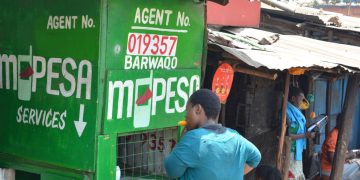
The restrictions began on January 14, 2026, before the presidential and parliamentary elections. While Ugandans can still send money through mobile platforms like MTN and Airtel, they cannot withdraw it. Most mobile money agents across Uganda have shut down as a result.
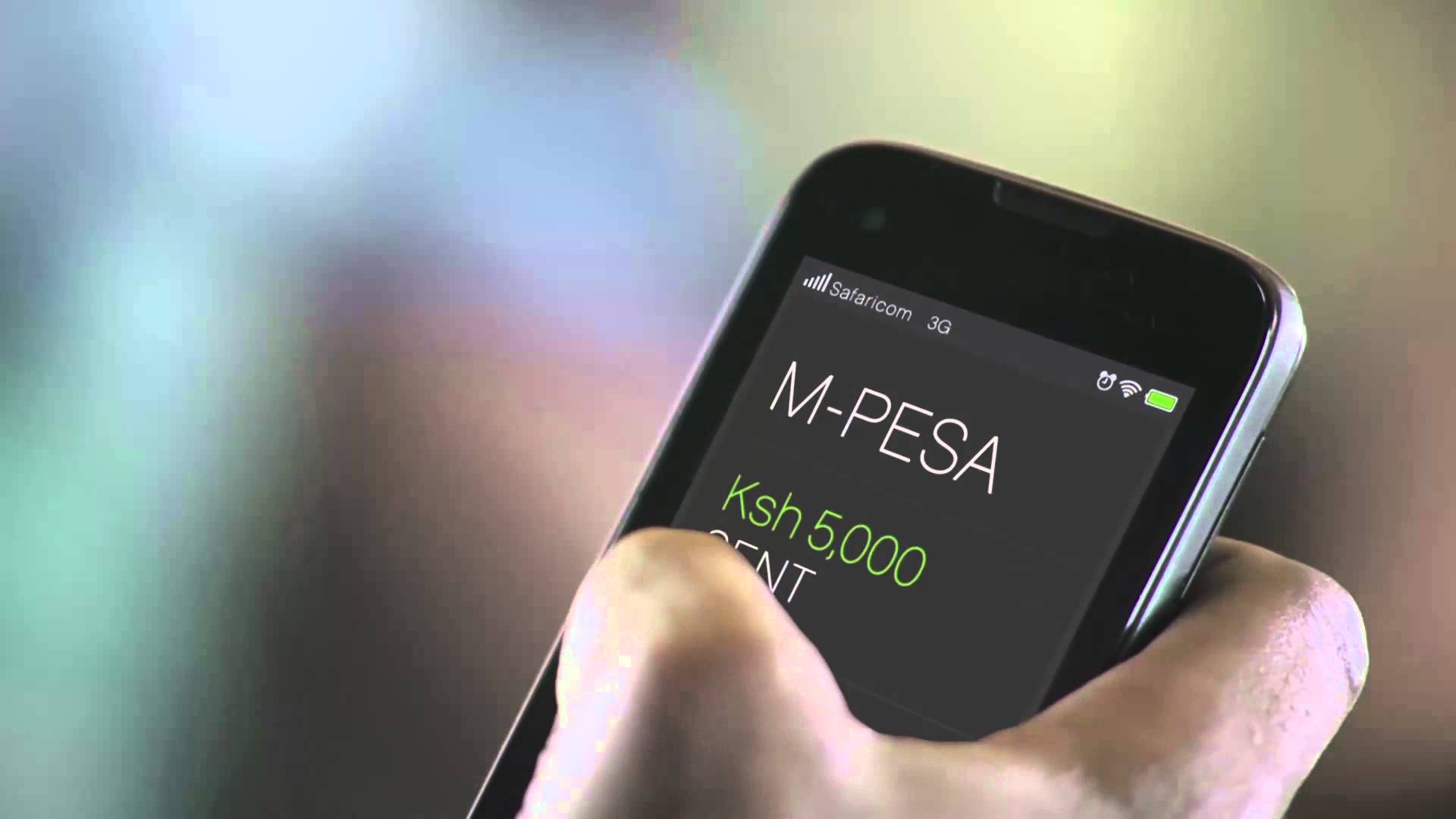
People living near the Kenyan border have found a workaround: they transfer money from their Ugandan accounts to Kenyan mobile wallets like Safaricom, cross into Kenya to withdraw it in Kenyan shillings, then exchange it back to Ugandan currency.
“Mobile money businesses are not working. As you are aware, Uganda is not for the weak or strong but for the wise,” internet cafe operator Hamphrance Abangi in Busia told Uganda Monitor. “For us to survive, some people have been transferring their mobile money to Safaricom, then travelling to Kenya to withdraw it.”
Abangi said he lets clients send money through his account, then crosses the border himself to withdraw cash for them. According to residents, this workaround doesn’t cost them much extra since transaction fees in Kenya are actually lower than in Uganda.
But for people who can’t easily reach the border, the situation is dire. Mangeni Wacha, a village chairperson, said ordinary residents are struggling to help sick relatives or handle emergencies when their only source of support is mobile money transfers they cannot access.
Mobile money agents are taking a financial hit too. Lyaka Hellen, who operates in Busia town, said she’s losing 20,000 shillings daily in commissions she used to earn from withdrawals. Now she can only sell airtime, and hardly anyone wants to deposit money when withdrawals are blocked.
Mobile money has become essential infrastructure in Uganda, with tens of millions of active accounts allowing people, especially in rural areas, to access banking services. The government says restrictions during election periods help prevent misinformation, fraud, and electoral violence.
READ: Uganda Orders Nationwide Internet Shutdown Ahead of Elections
However, internet shutdowns prevent people from accessing essential services. The current crisis shows what happens when digital services that support livelihoods are taken away and how far people will go to find alternatives, often at a high personal cost.