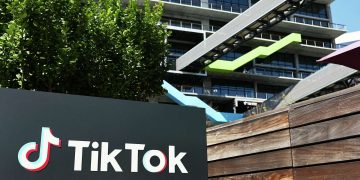





After years of legal battles and political drama, TikTok has finally restructured its US operations to satisfy the government’s national security demands.
ByteDance now owns just 19.9% of a newly created company called TikTok USDS Joint Venture LLC, with American and allied investors controlling the rest.
The three largest stakeholders are Oracle, Silver Lake, and MGX (an Abu Dhabi investment firm), each holding 15% stakes. Smaller investors include Michael Dell‘s family office, along with several venture capital firms and tech industry players.
Together, these non-Chinese entities control 80.1% of the joint venture.
This deal closes the book on a saga that started in 2020 when Donald Trump first tried to force a sale or ban TikTok, citing concerns that China could access American user data. That effort died in the courts.
Biden later signed a bipartisan law in 2024 requiring TikTok to divest or face a ban by January 19, 2025. When that deadline arrived, TikTok briefly went dark before Trump, newly inaugurated for his second term, started extending the deadline repeatedly, something the law didn’t actually give him clear authority to do. The extensions kept rolling until a deal was finally reached at the end of last year.
The new structure does more than just shuffle ownership percentages. TikTok USDS will store all US user data and the content recommendation algorithm in Oracle’s cloud servers on American soil.
The joint venture has the authority to retrain and modify that algorithm using US user data, though the press releases don’t specify how much independence they have from ByteDance’s global operations.
Adam Presser, TikTok’s former head of operations and trust and safety, will run the joint venture as CEO. Shou Zi Chew, TikTok’s US CEO, sits on the seven-member board.
The joint venture will handle trust and safety decisions, content moderation, and maintain third-party audits of its cybersecurity practices to comply with NIST and CISA standards.
The arrangement creates a split operational structure. ByteDance’s global entities still manage product interoperability, e-commerce, advertising, and marketing to ensure American creators and businesses can reach international audiences.
This joint venture focuses on data security, algorithm control, and content moderation specifically for US users. The new ownership structure also applies to CapCut, Lemon8, and other apps in TikTok’s portfolio that serve American users.
One lingering question is whether the algorithm will be modified for political purposes now that US-aligned investors control it. The press materials emphasize security protocols but don’t address editorial independence.
Given that Trump repeatedly credited TikTok with helping him win over young voters, concerns about potential interference aren’t entirely paranoid.
What we don’t know yet is how much the investors paid for their stakes, whether users will need to download a new app, or how much operational independence the joint venture actually has from ByteDance in practice.
The year-plus timeline to close this deal suggests the security concerns that justified the original ban threat weren’t quite as urgent as lawmakers claimed.