




The Folarin Balogun red card turned into one of the biggest storylines of the 2026 World Cup before a ball was even kicked in the USA vs Belgium last-16 match, and the reaction online and in the stands split almost entirely along national lines.
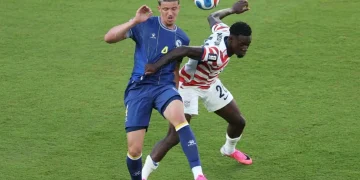
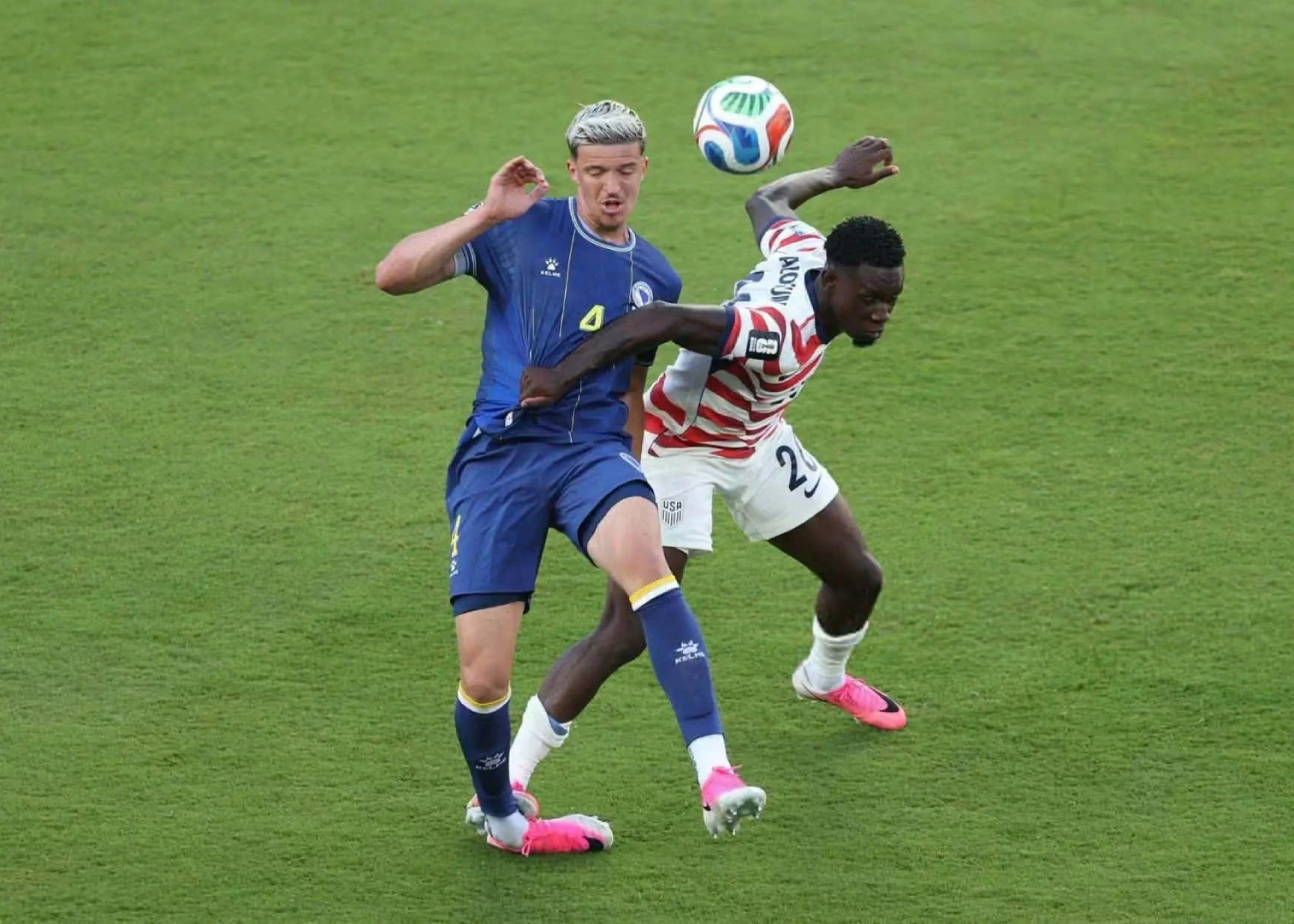
The controversy started with a legitimate soccer debate. Balogun was sent off for a studs-up challenge near the ankle of Bosnia and Herzegovina defender Tarik Muharemovic, a call that looked harsh on replay since the striker appeared to be watching the ball rather than the opponent.
Plenty of neutral fans agreed the red card was tough to justify. What turned it into a global story was what happened next.
President Donald Trump said he personally asked FIFA president Gianni Infantino to review the suspension, and FIFA’s disciplinary panel then suspended the ban, clearing Balogun to play against Belgium.
That combination, a political leader intervening in a sporting decision days before a knockout match, is what set off the online reaction.
American fans were divided rather than uniformly celebratory. One fan argued that a win for the US team now carries an asterisk given how it came about.
He also felt it added to a growing list of controversies around the US as co-host, alongside travel restrictions and issues involving the Iranian team earlier in the tournament.
Other American fans took a more conflicted stance, agreeing the red card itself was unjust while still feeling uneasy about how the suspension got lifted.
On the other side, reaction from Belgium and across Europe was uniformly negative. The Royal Belgian Football Association said it was “astonished” by the ruling and argued it directly contradicted FIFA’s own regulations.
UEFA went further, calling the decision “unprecedented, incomprehensible and unjustifiable” and warning that once rules stop being guaranteed by the people enforcing them, the integrity of the whole competition is at risk.
Belgium’s federation also said it planned to formally contest Balogun’s eligibility if he appeared on the team sheet, and separately tried to appeal FIFA’s decision, only for FIFA to rule the appeal inadmissible on the grounds that Belgium wasn’t a party to the original case.
British football voices piled on too. Wayne Rooney called it an outright disgrace and questioned the sportsmanship of the whole episode. Gary Neville was just as blunt, saying the decision simply “stinks” and that a proper review process should exist for cases like this.
Both framed it less as a debate about the red card itself and more about a head of state getting involved in matters that are supposed to sit entirely with football’s own judicial bodies.
American political figures and commentators largely went the other way. Senator Ted Cruz thanked Trump directly for what he called getting rid of a ridiculous red card.
Senator Tom Cotton, while admitting he’s not particularly a soccer fan, said he was glad Trump pushed FIFA to, in his words, do the right thing.
Fox Sports analyst and former USMNT player Alexi Lalas framed it as the US simply standing up for its own interests within the existing rules of the system, rather than anything improper.
Not every American commentator was on board, though. CBS Sports’ Nico Cantor warned that the whole situation sets a dangerous precedent, since it suggests any refereeing decision can now be challenged after the fact if the right person makes a call.
New York City Mayor Zohran Mamdani had called the original red card cruel, but when asked about FIFA’s reversal, he declined to comment directly, instead posting the meme clip of Jose Mourinho saying, “If I speak, I am in big trouble.”
FIFA itself pushed back hard against the backlash. Infantino insisted the organization’s judicial bodies operate independently and that while he did speak with Trump, he made clear during that call that the case would be decided through FIFA’s normal process.
FIFA also released a statement defending the ruling on technical grounds, noting that Article 27 of its Disciplinary Code allows suspensions to be paused except in cases involving match manipulation, and pointing out that similar suspensions of disciplinary measures had happened before during World Cup qualifying.
FIFA also took a direct shot back at UEFA, noting that overturning red cards happens routinely in many of UEFA’s own member leagues without anyone calling it a breach of integrity.
The EU’s Commissioner for Sport, Glenn Micallef, added a more measured but still critical voice, saying decisions on sporting rules should stay with sporting bodies rather than politicians, since otherwise the independence of sport itself is undermined.
By kickoff, the story had shifted from a debate about one tackle to a much bigger argument about who actually controls the outcome of matches at the FIFA World Cup, and that argument played out just as loudly online as it did on the pitch.
At the time of writing, Folarin Balogun was in the US starting XI for the Round of 16 match against Belgium.