




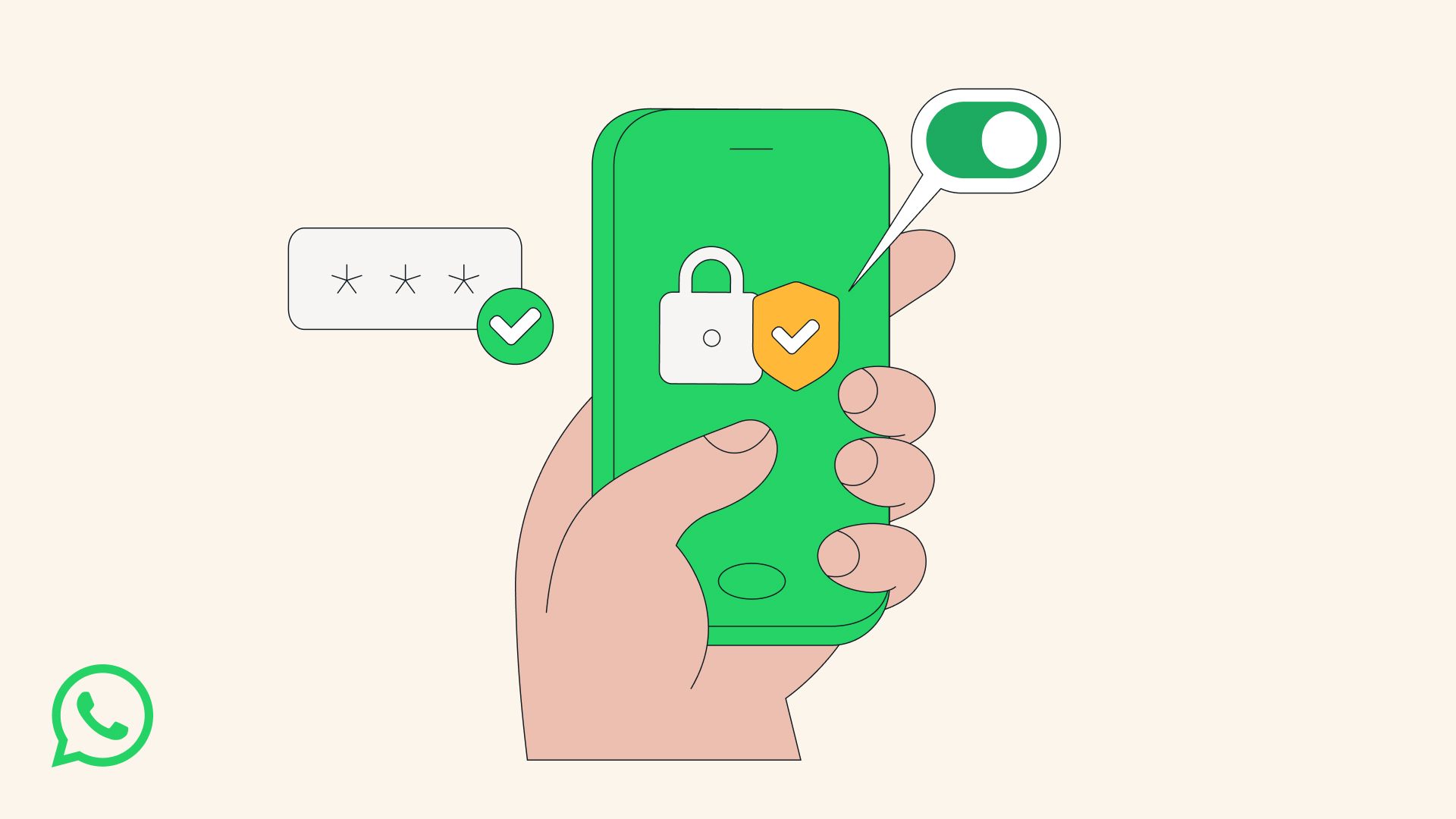
WhatsApp is rolling out Strict Account Settings, a new security feature that locks down accounts with the platform’s most restrictive privacy controls. The feature targets journalists, public figures, and others who might face sophisticated cyberattacks, though anyone can enable it.
When activated, Strict Account Settings automatically blocks images and attachments from unknown senders, mutes calls from contacts not in your address book, and disables link previews.
Your profile photo, last seen status, and about information become visible only to your contacts or a selected list. The feature also prevents strangers from adding you to group chats and enforces two-step verification.
The rollout is happening gradually over the coming weeks. Once available, you’ll find it under Settings > Privacy > Advanced. WhatsApp has clarified that most people don’t need this feature since they aren’t targets of advanced cyber campaigns.
It’s designed for specific at-risk users who need protection beyond standard privacy settings.
This puts WhatsApp in line with similar features from other tech companies. Apple has Lockdown Mode for iOS and macOS, while Google offers an Advanced Protection Program for Android.
These features share a common goal, which is reducing attack vectors that sophisticated malware and spyware use to compromise devices.
READ: Cyber Attacks in Kenya Jump 441% in Just Three Months
Security researchers have responded positively, stating that restricting incoming content and unknown contact interactions can considerably reduce risks from phishing, malware, and social engineering attacks that often begin with deceptive media or unsolicited calls.
The tradeoff is convenience. Users who enable Strict Account Settings will find interactions with new contacts more restricted, and they won’t receive group invites from people they don’t know. For high-risk users, however, the security benefits outweigh these limitations.
WhatsApp emphasizes that end-to-end encryption remains active for all chats and calls regardless of whether this feature is enabled. The company has also stated it will continue refining Strict Account Settings based on user feedback and evolving threats.
The feature arrives shortly after a lawsuit questioned WhatsApp’s end-to-end encryption despite Meta’s strong privacy protection assertions.