





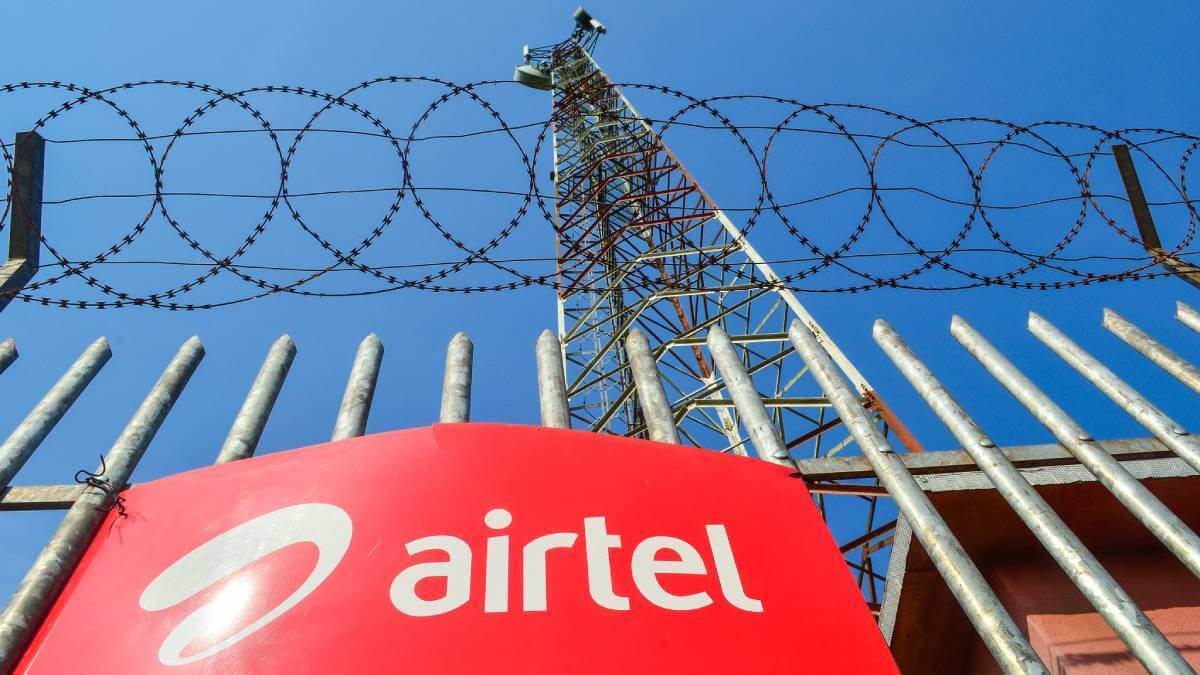
Airtel Kenya is making a serious play to stop being Kenya’s distant number two by investing in physical infrastructure that can serve businesses and governments, and a ground-level distribution network that can get closer to ordinary Kenyans.
The main project is a $150 million data center being built in Tatu City, just outside Nairobi. Developed by Airtel Africa’s data infrastructure arm, Nxtra by Airtel, the 44 MW facility is billed as the largest of its kind in East Africa and is expected to start operations in the first quarter of 2027.
To put that scale in context, Africa currently accounts for less than 2% of the world’s colocation data center supply, with the GSMA estimating a $622 billion global opportunity in cloud and data center services by 2030.
Nairobi is already home to facilities from Africa Data Centers, PAIX, and Google, which means Airtel is entering a competitive but clearly growing market.
A local facility makes sense since Kenyan businesses using servers abroad face slower response times, higher costs, and less control over their data.
Kenya’s Cloud Policy pushes for the country to become a cloud-first nation which means locally hosted infrastructure is increasingly a regulatory expectation rather than a convenience.
The facility will be designed to support cloud computing, AI workloads, and enterprise-scale services across the region.
On the ground, Airtel’s mobile money growth is clear from the latest numbers. Airtel Money now holds 10.3% of the market, while M-PESA’s share has dropped below 90% for the first time, standing at 89.7%.
In Kenya specifically, the agent network has expanded from 80,000 agents two years ago to 177,000 agents nationwide currently, a figure the company disclosed at a recent media roundtable.
The company also revealed it now operates around 4,500 network sites across Kenya. This expansion is part of a wider coverage strategy aimed at narrowing the quality gap in both urban and rural markets.
Together, the data center and agent expansion show a two-part strategy. One part is a long-term investment in infrastructure aimed at enterprise clients and cloud providers. The other is a faster effort to compete with M-PESA at the grassroots level.
Execution will be key, though. Building a large data center is one thing, but attracting paying enterprise clients in a market where Google and others are already established is another.
Catching up with M-PESA, which still holds nearly 90% of mobile money subscriptions, will require more than just lower transfer fees. Still, the overall direction is clear.