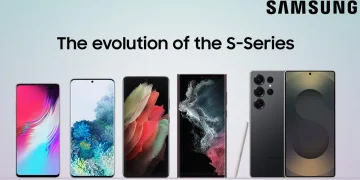





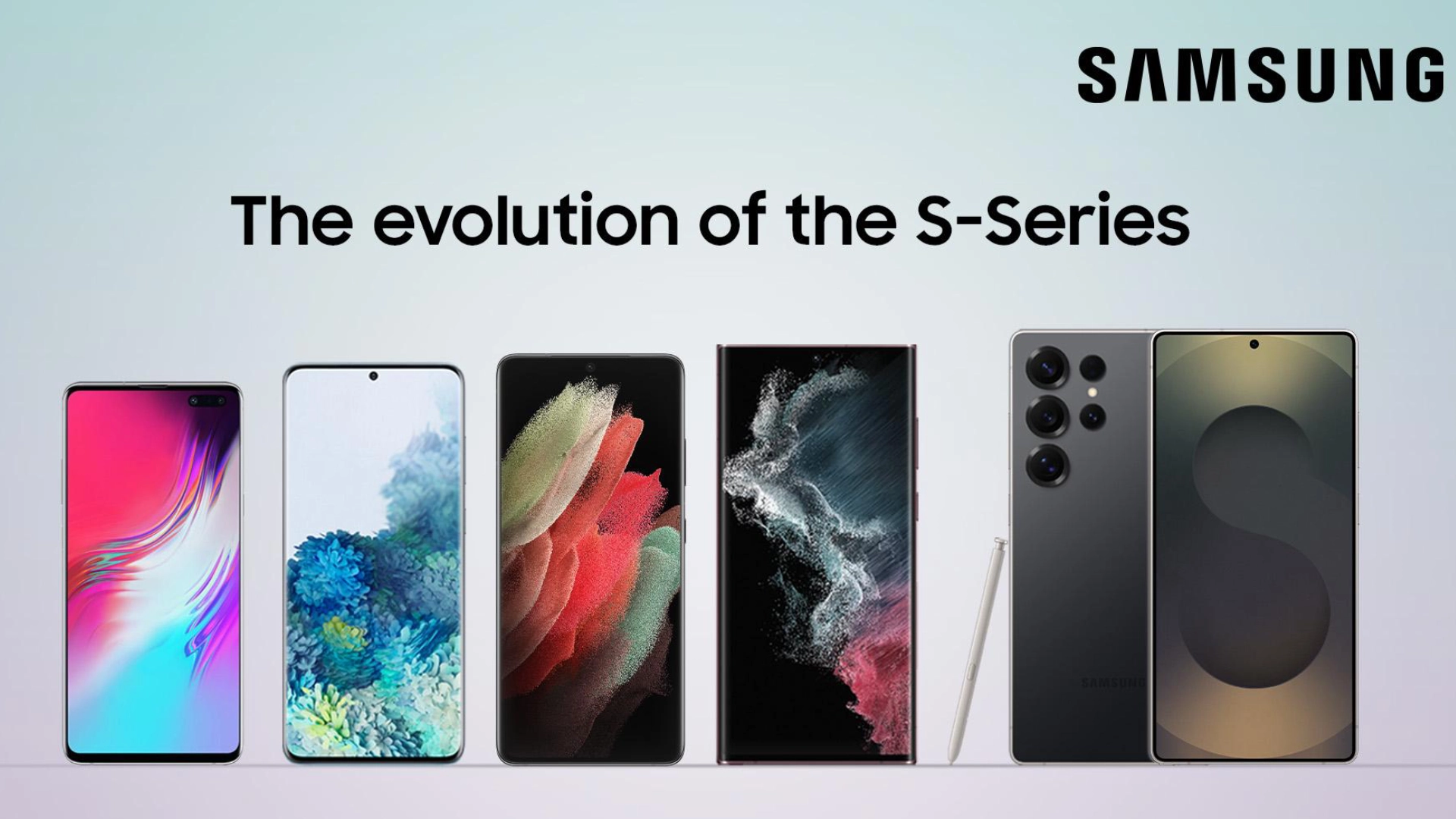
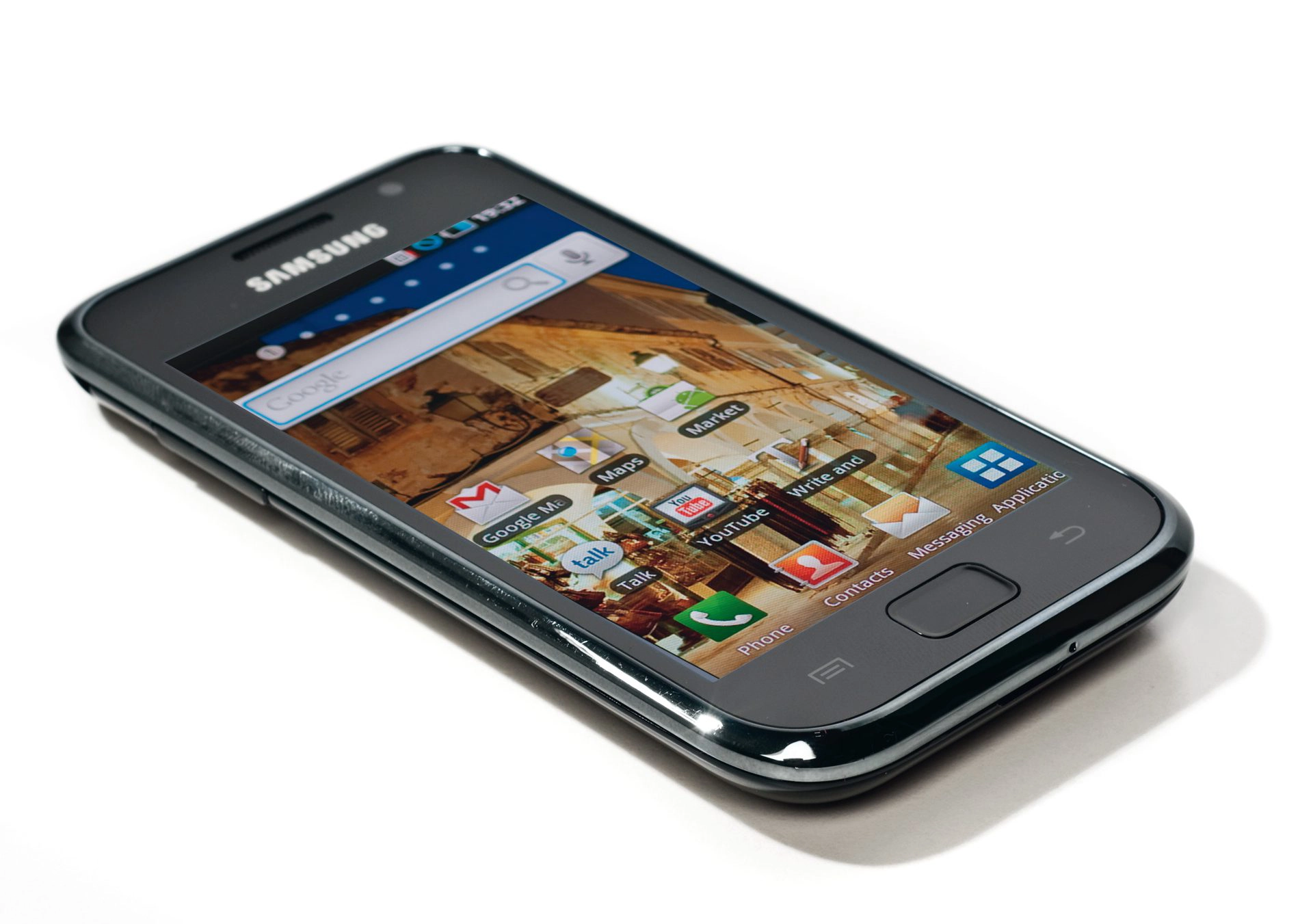
The first Samsung Galaxy S launched in 2010 with a 5MP camera, a plastic body, and a screen that impressed people at the time. 16 years later, the S25 Ultra shoots with a 200MP main sensor, has a titanium frame, and runs AI features that would have sounded absurd in 2010.
The gap is enormous, but the path between them makes sense when you look at it generation by generation.
In the early years, Samsung was figuring out what a flagship Android phone should be, and the answer kept changing. The S II got thinner. The S III and S4 got larger screens and more megapixels. The S5 added water resistance and 4K video.
These were practical upgrades responding to what people actually wanted from their phones.
The S6 in 2015 was the first real identity shift. Samsung dropped plastic for glass and metal, which looked better but also made the phone heavier, more fragile, and non-removable in terms of the battery.
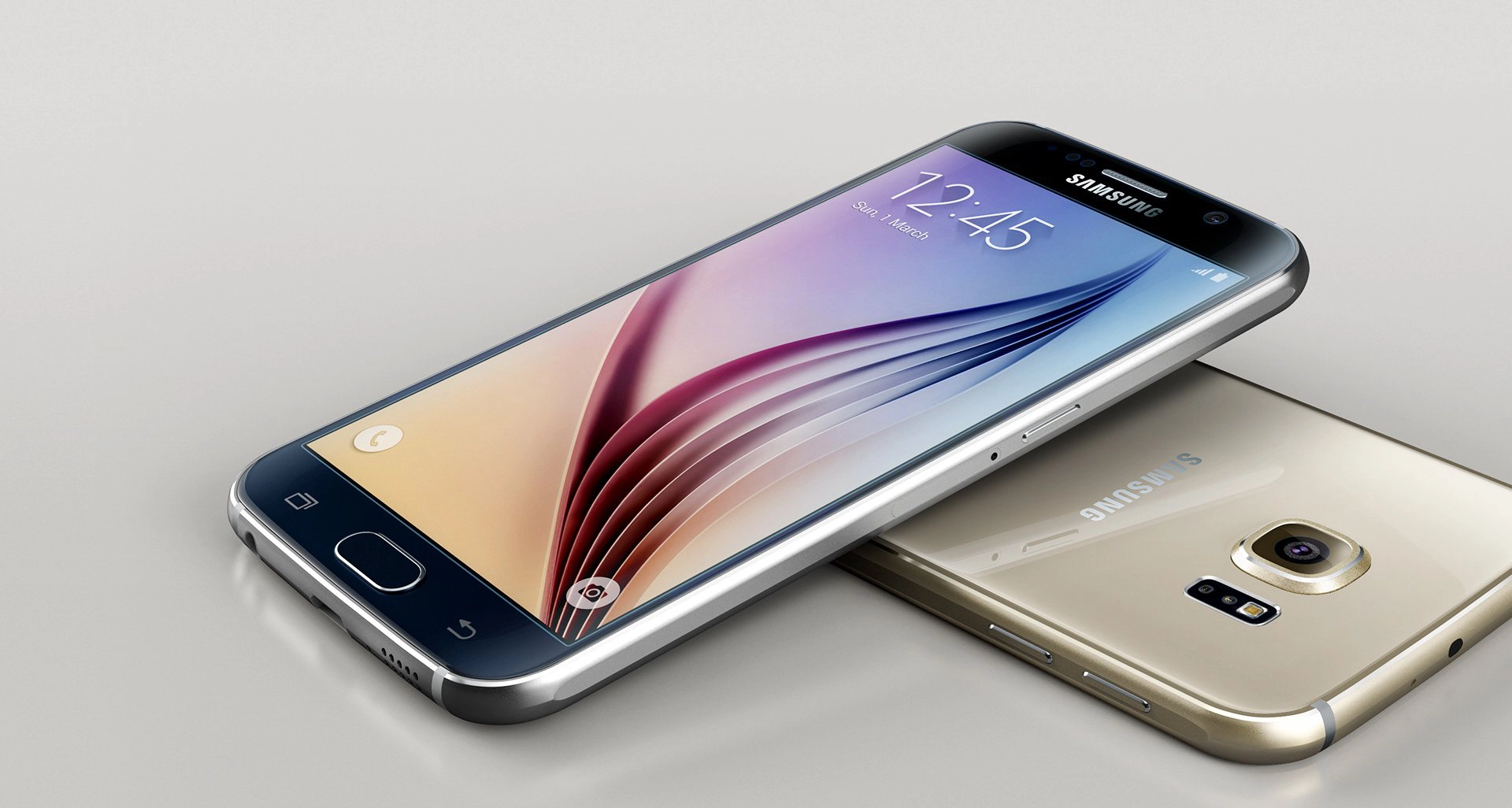
The S6 Edge introduced curved screens, which became the defining visual trait of the series for the next several years. The S8 and S9 pushed this furthest, with displays that wrapped around the sides and barely any bezel in sight.
They were eye-catching phones, but curved screens came with real tradeoffs, including edge touches, finicky screen protectors, and a slippery feel in hand.
Meanwhile, camera development ran in parallel. Dual cameras arrived on the S9+, an ultra-wide lens on the S10, and by the S20, Samsung was stuffing enough sensors into the back that a flat, rectangular camera bump became unavoidable.
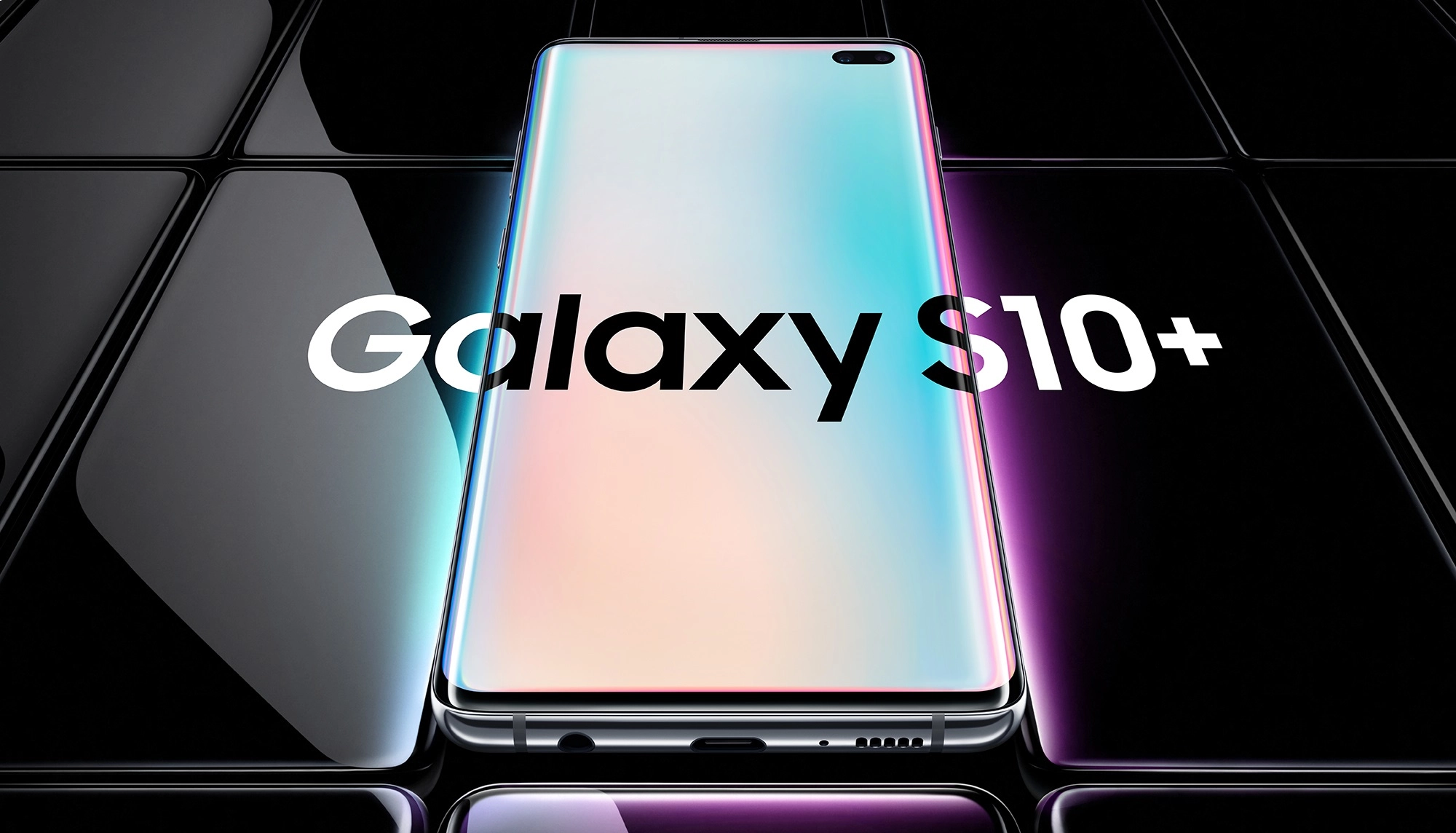
That bump effectively ended the smooth, uninterrupted back design the earlier phones had, a good example of a hardware reality forcing a design decision.
The shift to flat screens started with the S22, and it stuck. Flat displays are easier to protect, easier to use one-handed, and eliminate the accidental touches that plagued curved-screen models.
The boxy aluminum frame that came with it gave the phones a more solid, grippable feel. It was a less flashy direction but a more functional one.
Shortly after, Samsung refined the S23 and S24 further with tighter bezels, titanium on the Ultra, better display brightness, and camera processing that focused more on accurate color and detail than just raw megapixel counts.
Most people noticed that the S25 series didn’t dramatically change anything, which was probably the right call at that point. The Ultra got slightly rounder corners for comfort, while the base S25 got a bit thinner.
The ultra-wide camera jumped from 12MP to 50MP, which was the biggest hardware jump in that generation. AI features became more integrated into the camera and general software experience.
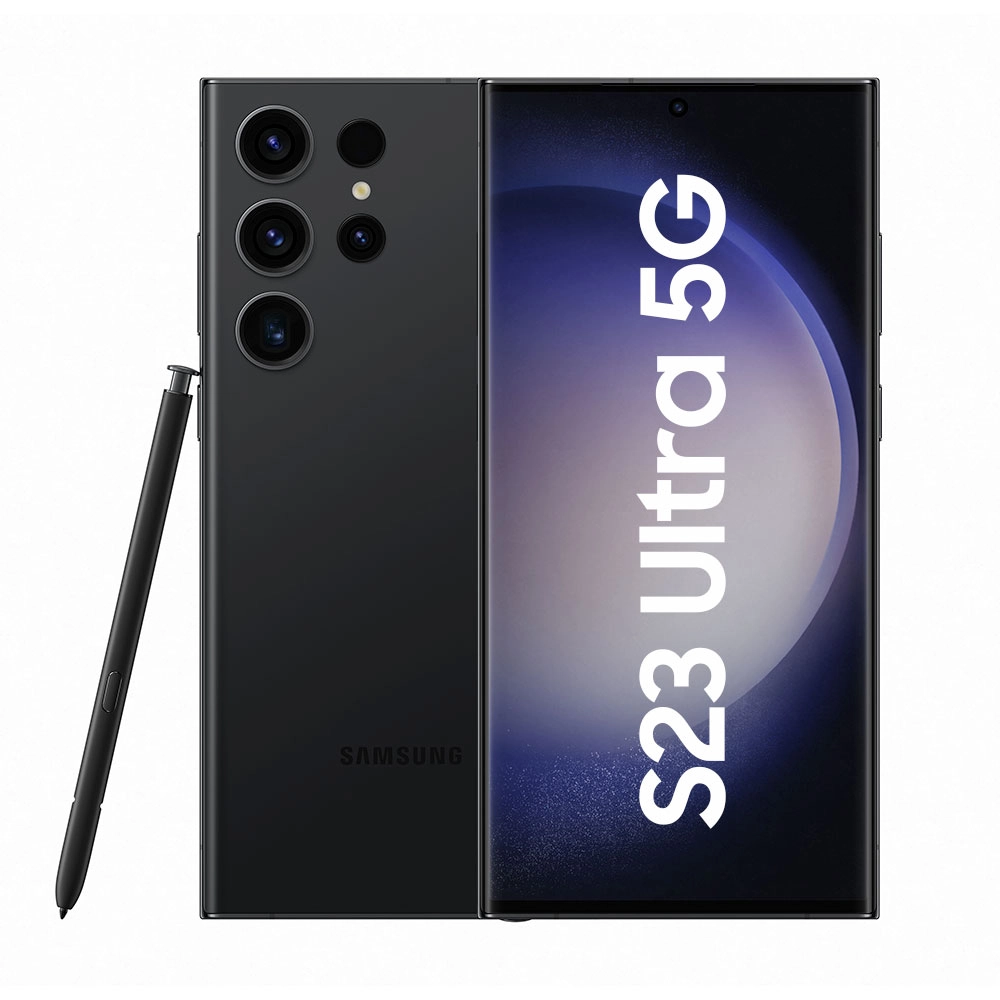
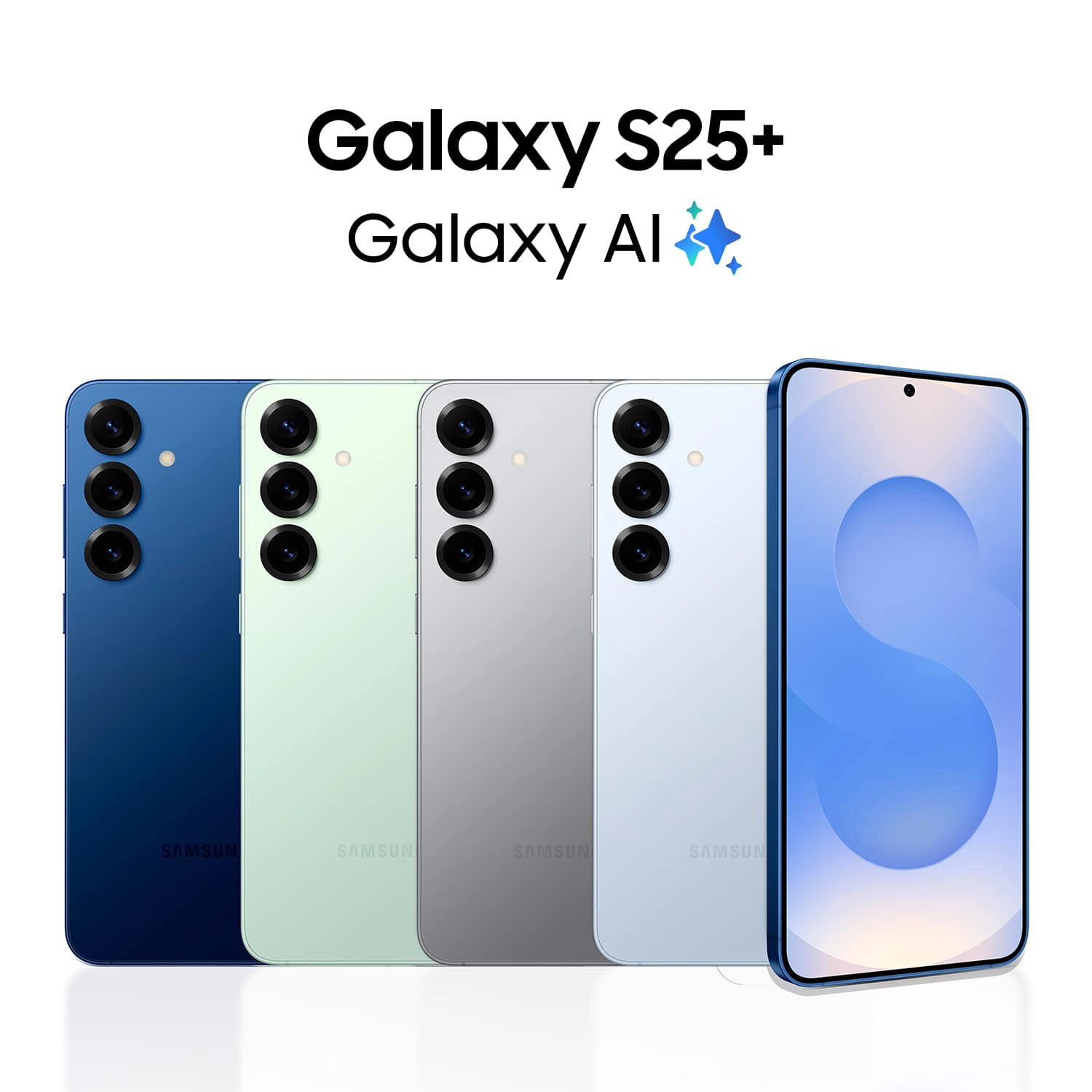
What the full timeline shows is that Samsung’s design choices weren’t arbitrary. Curved screens came in when the priority was making phones look premium and immersive.
Flat screens came back when usability and durability started mattering more than aesthetics. Camera bumps grew because the sensors inside them grew. Matte finishes replaced glossy glass because people kept dropping glossy phones.
READ: Samsung Promises Up to $900 Trade-In for Galaxy S26 Preorders
The S series went from a phone trying to establish itself to one that’s essentially optimized for daily use at a high level.
Whether the next big shift comes from foldables eating into the flagship space or AI changing what cameras actually do, the pattern so far suggests Samsung will move when the hardware or user behavior demands it, not before.