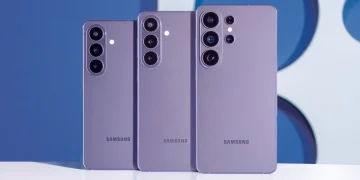





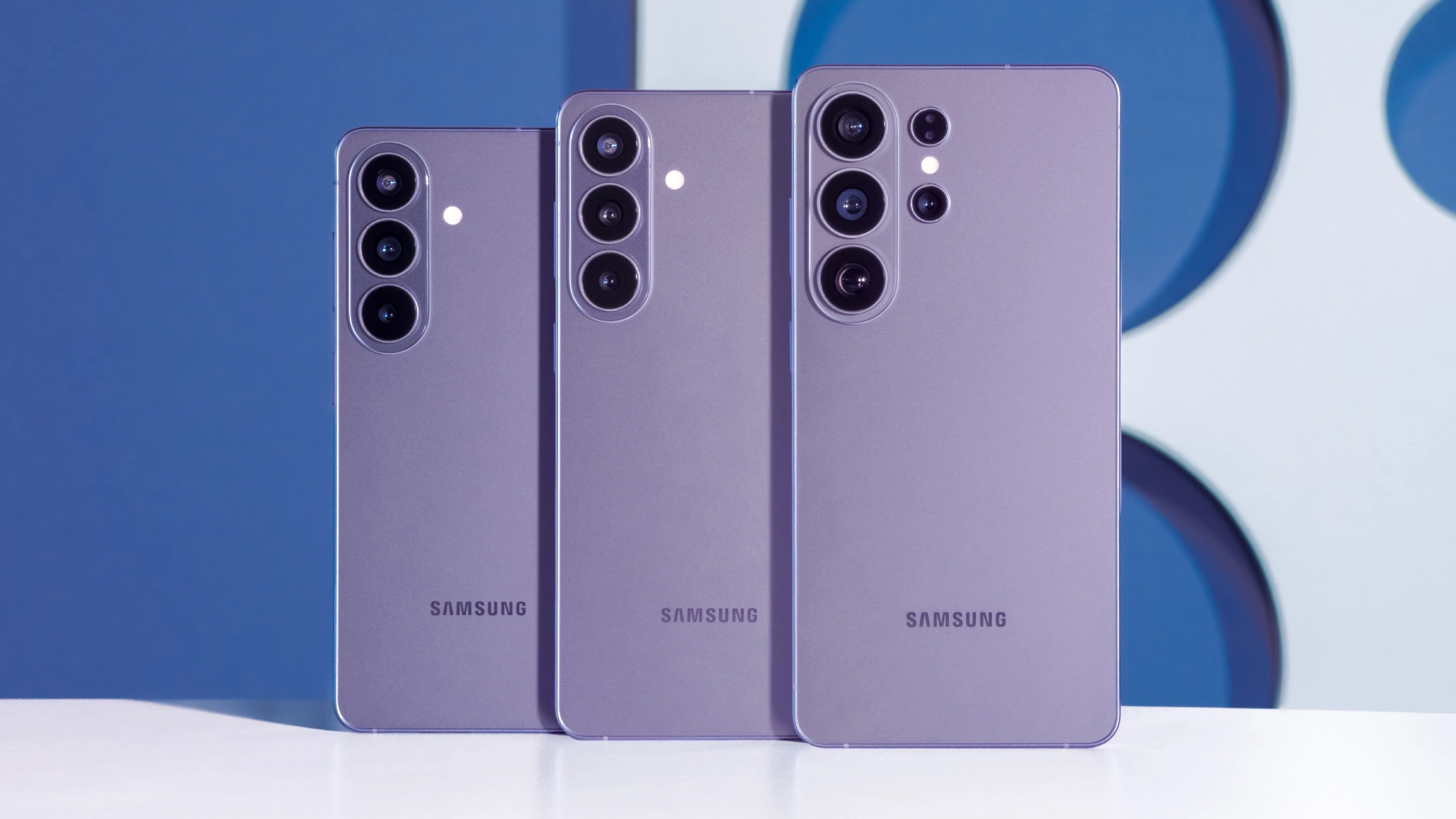
Samsung just announced the Galaxy S26 series, and rather than walking through a list of upgrades, it’s worth focusing on what actually matters to someone deciding whether to care.
The Chip Situation
The S26 Ultra runs on the Snapdragon 8 Elite Gen 5, a chip built specifically for Samsung. The gains over last year are meaningful as the processor handles background tasks 39% faster on the AI side, the graphics chip improved by 24%, and general processing is about 19% quicker.
In everyday use, that mostly translates to things feeling snappier. Apps open faster, the camera processes shots more quickly, and the phone doesn’t get hot as easily thanks to a redesigned cooling system inside.
The S26 and S26+ split between Snapdragon and Samsung’s own Exynos 2600 depending on the market. That’s a familiar situation for Samsung buyers, though performance differences between the two chips have narrowed significantly over the years.
Charging on the Ultra got a notable bump. It can now hit 75% in 30 minutes using a 60W wired charger. The base S26 tops out at 55% in 30 minutes with a 25W charger, and the S26+ hits 69% in 30 minutes with a 45W one.
The chargers aren’t included in the box, which has become standard practice across the industry at this point.
READ: Galaxy S Series and Buds to Be Unveiled at Samsung Unpacked on Feb 25
Cameras
The Ultra keeps its four-camera setup with a 200MP main shooter, a 50MP ultrawide, a 50MP 10x telephoto, and a 10MP 3x telephoto.
The wider apertures compared to last year mean more light reaches the sensors, which should help in dim environments, especially when zoomed in, where low-light photography typically struggles most.
A new feature called APV support means the S26 Ultra can record in a professional video codec designed for post-production work. If you’re the kind of person who edits footage heavily, this matters because the video holds up better through repeated exports and color grading.
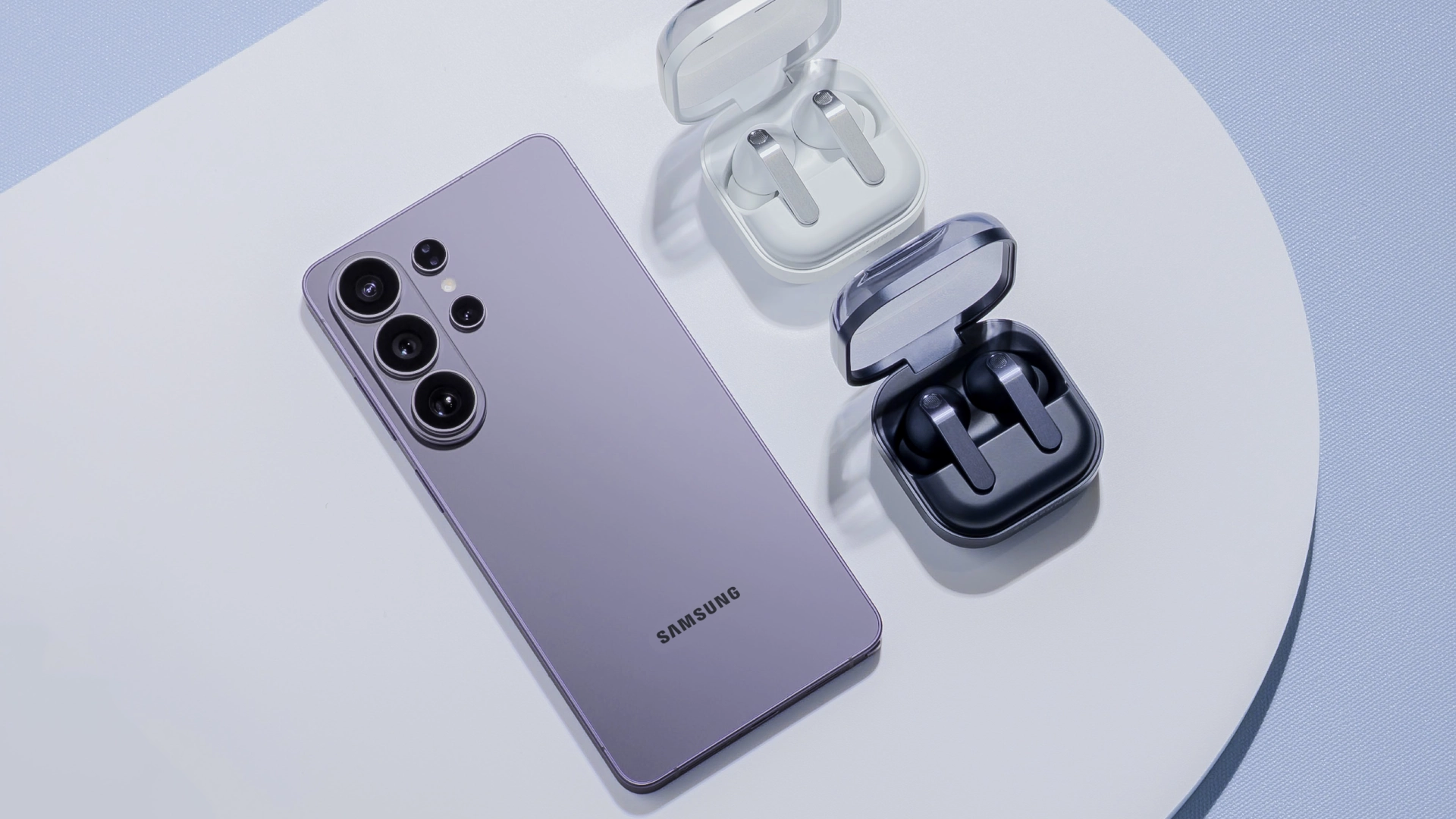
The AI photo editing tools have expanded. You can now describe edits in plain language, like “change the lighting,” “swap an outfit,” or “restore a partially cropped object,” and the phone interprets and applies them.
Edits are also reversible step by step, which is a practical improvement over previous versions where undoing changes wasn’t always clean.
The base S26 and S26+ use a simpler three-camera arrangement: a 50MP main, 12MP ultrawide, and 10MP 3x telephoto. Solid cameras, but without the extreme zoom range of the Ultra.
The Crown Jewel: Privacy Display
This is the genuinely new hardware feature this year. The Galaxy S26 Ultra has a built-in privacy screen – not a stick-on film, but something built into the display itself at the pixel level.
When activated, people looking at your screen from an angle see a blacked-out or obscured view, while you see everything normally from straight on.
You can set it to activate automatically in specific scenarios, like when you open your banking app or enter a PIN. There are two modes: one that only obscures notification popups and a stronger mode for full-screen privacy.
The display is 6.9 inches, with QHD+ resolution and a 120 Hz refresh rate that scales down to 1Hz to save battery.
READ: 16 Years of Samsung Galaxy S: What Actually Changed and Why
AI Features
Samsung calls this its “third-generation AI phone,” and the additions are incremental rather than sensational.
Now Nudge suggests relevant content at the right moment, such as if someone texts asking for photos from a trip, the phone offers to pull them up automatically.
Now Brief gives you proactive reminders about reservations and travel. Neither is revolutionary, but both reduce friction for common tasks.
READ: What You Need to Know About Samsung Galaxy AI Features
Circle to Search, Google’s feature that lets you circle anything on screen to search for it, now handles multiple objects in a single image at once. The AI calling feature screens unknown callers and summarizes why they’re calling before you pick up.
Bixby has been updated to handle natural language better, and you can now also set Gemini or Perplexity as your default AI agent. With Gemini, multi-step tasks like booking a ride can be completed through a single conversation without jumping between apps.
Specs at a Glance
The S26 has a 6.3-inch screen and a 4,300 mAh battery in a 7.2mm body weighing 167g. The S26+ steps up to 6.7 inches and 4,900 mAh.
Finally, the Ultra is the largest at 6.9 inches with a 5,000 mAh battery, 7.9mm thick, and 214g.
All three run Android 16 with One UI 8.5, support Wi-Fi 7 and IP68 water resistance, and come with a promised seven years of security updates.
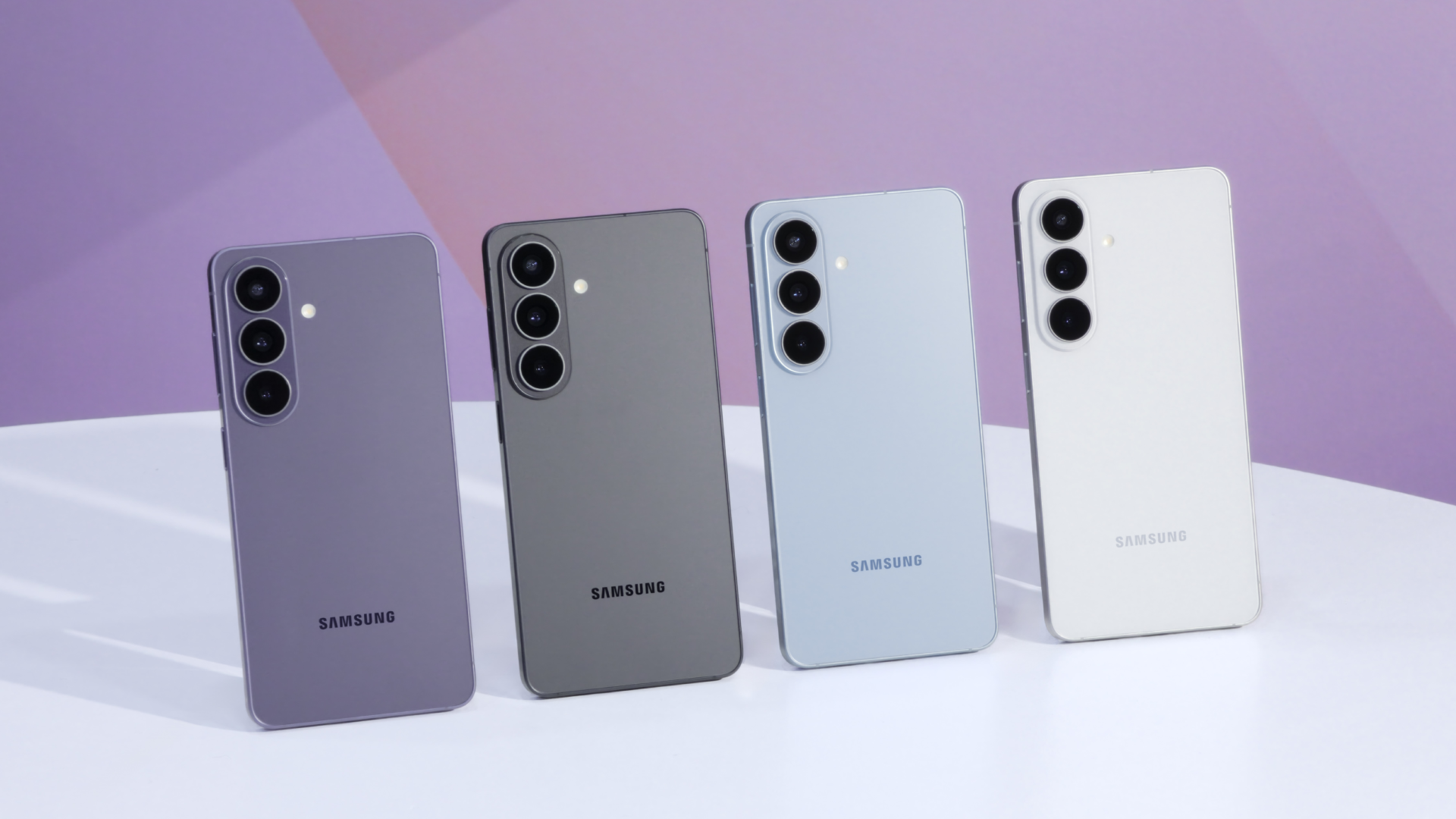
Colors across the lineup are Cobalt Violet, White, Black, and Sky Blue, with Pink Gold and Silver Shadow exclusive to Samsung’s own website.
Pricing and Availability
Pre-orders open today. The S26 Ultra is priced at KES 197,300 for the 512GB version and KES 171,400 for the 256GB version.
Meanwhile, the S26+ costs KES 170,300 for 512GB and KES 144,400 for 256GB.
Lastly, the base S26 starts at KES 120,000 for 256GB, with the 512GB model priced at KES 147,700.