




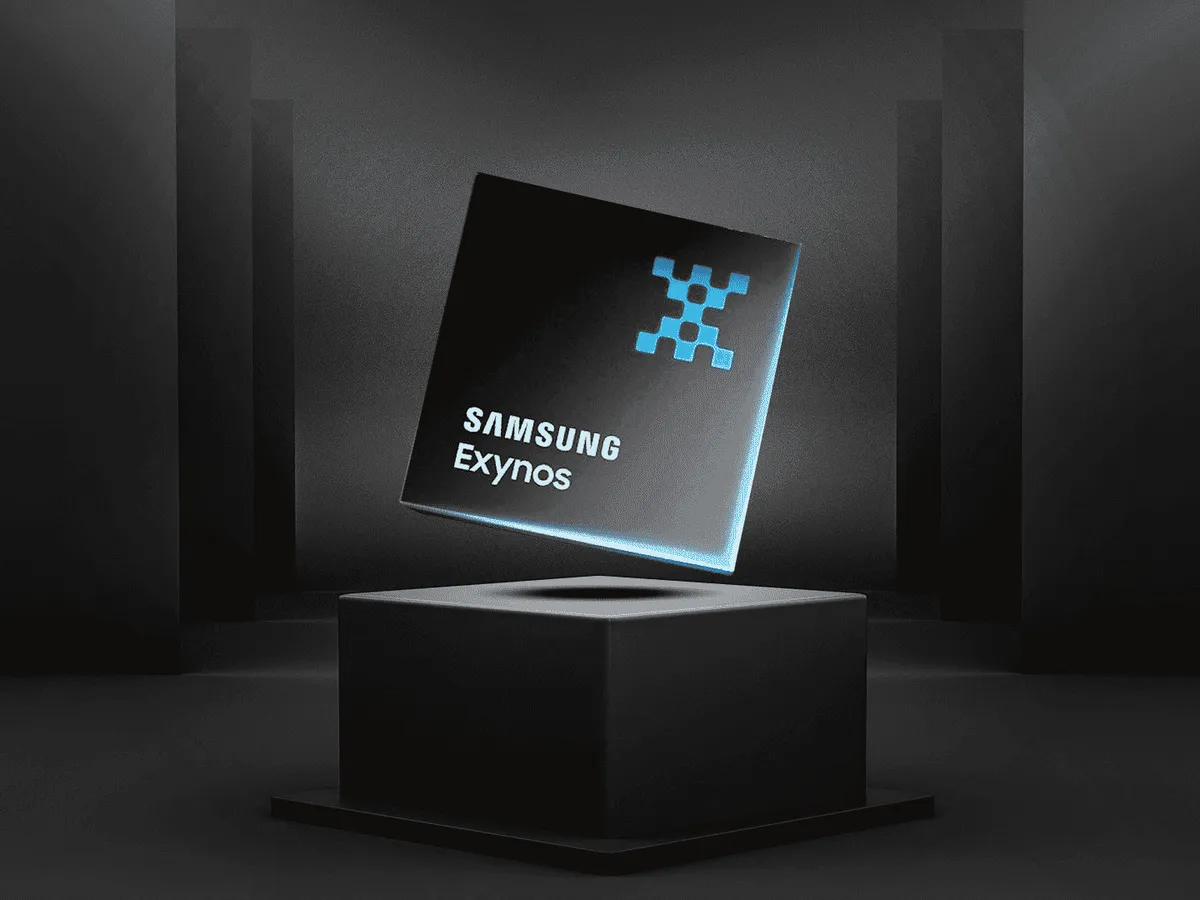
Samsung Electronics is reportedly bringing back its in-house Exynos processors to its flagship smartphones, marking the first time in four years that the company will rely on its own chip for top-tier devices.
According to sources, Samsung has opted to use the Exynos 2600 across the upcoming Galaxy S26 series in select markets, following strong internal performance results.
In a post on X, South Korea-based analyst @Jukanlosreve revealed that the Exynos 2600 will power the Galaxy S26, S26+, and S26 Ultra models in certain markets. The Galaxy S26 lineup is expected to launch globally in early 2026.
Since 2022, Samsung’s Ultra models, starting with the Galaxy S22 Ultra, have exclusively used Qualcomm’s Snapdragon chips across all markets.
This shift came after years of criticism directed at Exynos-powered Galaxy devices, which often lagged behind Snapdragon versions in performance, thermals, and battery efficiency.
Samsung’s base and Plus models, however, have continued using Exynos chips in select regions such as Europe, while Snapdragon versions dominated in the U.S. and Asia.
The Galaxy S23 and S24 series both ran Snapdragon-only variants globally, a move seen as Samsung’s acknowledgment that Qualcomm’s chips offered superior performance at the time.
Exynos 2600 Performance
Internal test data cited by Jukan shows the Exynos 2600’s GPU performance is up to 75% higher than Apple’s A19 Pro and around 29% faster than Qualcomm’s Snapdragon 8 Gen 5 Elite.
The chip’s NPU (Neural Processing Unit) is also reportedly faster than Apple’s and about 30% ahead of Snapdragon’s AI engine, giving the Galaxy S26 lineup a strong edge in on-device AI performance.
Despite this leap, Samsung isn’t going fully solo. The company will continue its dual-sourcing strategy, splitting chip usage between Exynos and Snapdragon.
Roughly 50% of Galaxy S26 units are expected to feature the Exynos 2600, primarily those sold in Korea and Europe, while U.S., Japan, and China models will continue using Qualcomm’s Snapdragon 8 Gen 5 Elite.
This balanced approach suggests Samsung is cautiously reintroducing Exynos while keeping Snapdragon in key markets to ensure performance consistency.
The move also indicates growing progress within Samsung’s semiconductor division. The company’s 3 nm manufacturing process has reportedly improved power efficiency and thermal control, two areas where Exynos chips historically struggled.
If these claims hold up, the Galaxy S26 series could usher the beginning of a new chapter for Samsung silicon, positioning the company as a stronger competitor to both Qualcomm and Apple in high-end mobile chip design.