




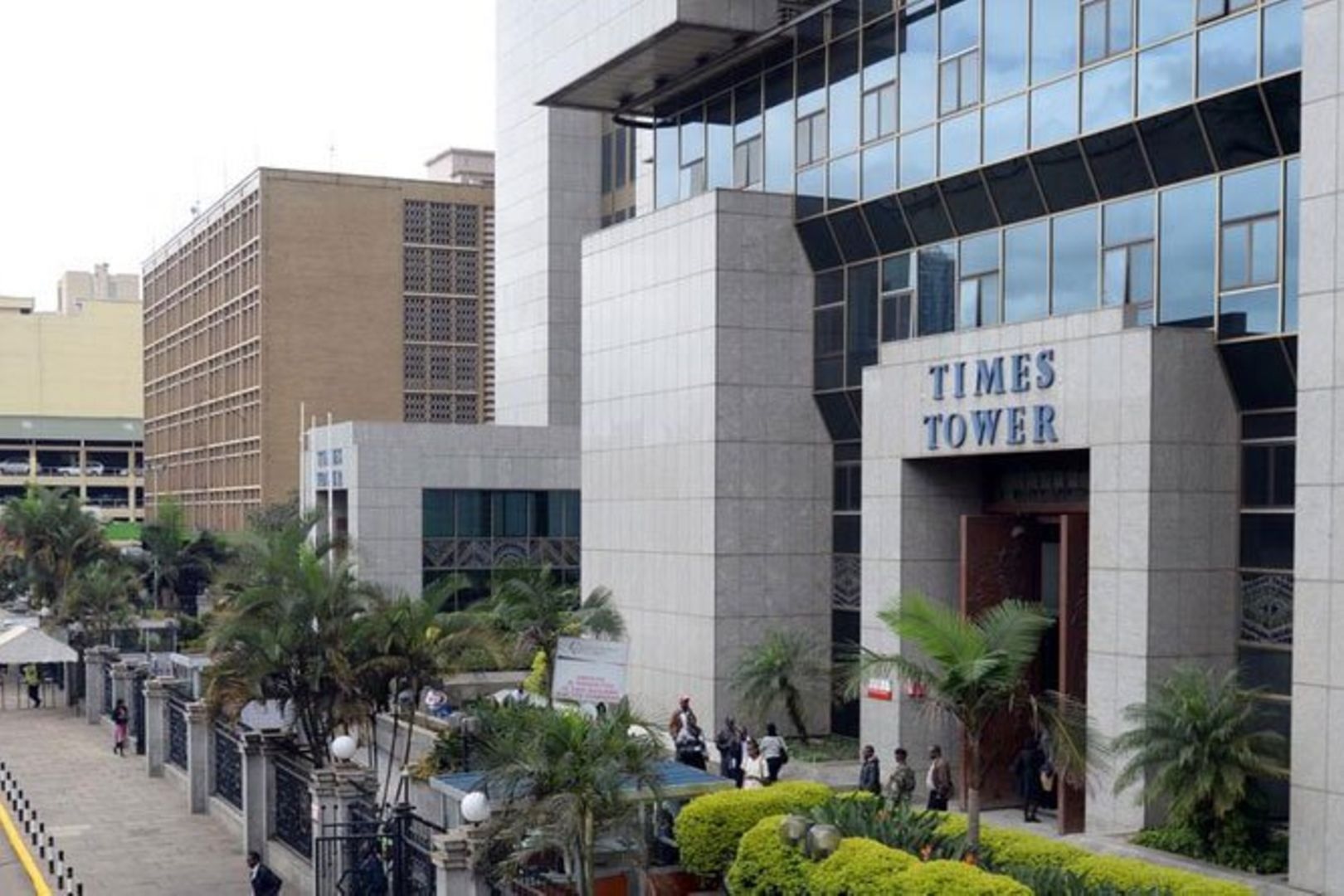
The Kenya Revenue Authority (KRA) has discontinued the placement of taxpayers on its infamous Special Table. Originally designed to target tax evaders and fraudsters, this blacklist has seen widespread misuse.
Effectively, the authority had made it the only tool in every tax compliance matter, and Kenyans who are not tax evaders found themselves blacklisted.
“This has led to abuse of the tool and punishing of genuine business people and taxpayers instead of facilitating them to do business and subsequently pay their fair share of taxes,” the KRA stated in an internal memo dated March 10, 2026.
Ag. Deputy Commissioner Michael M. Kasingiu has directed that all taxpayers currently on the Special Table for reasons other than Missing Trader fraud be removed unconditionally by March 12, 2026.
Relationship managers are instructed to notify affected taxpayers of their removal and outline what continued compliance would require.
READ: KRA Introduces Bodycams for Customs Officers at JKIA to Tackle Bribery
Inclusion on the Special Table triggers a cascade of financial paralysis. For taxpayers, VAT refunds are halted, tax compliance certificates are frozen, and businesses are effectively blacklisted from lucrative government tenders.
Going forward, placement on the Special Table will be reserved exclusively for taxpayers involved in the Missing Trader Scheme.
This is a form of VAT fraud involving fictitious supply chains. Even then, additions will require a formal submission through the manager and chief manager, with Deputy Commissioner approval.
However, questions remain about the burden of proof being placed on innocent buyers caught in fraudulent supply chains they had no part in creating. This happens when the authority cannot trace the suppliers.
The move is a welcome policy correction, particularly given that the KRA had recently won a High Court challenge defending the Special Table’s legality.