






A week ago, the role of technology at the FIFA World Cup 2026 was still uncertain.
The big question was whether features like the Trionda’s sensor chip, improved offside technology, and referee cameras would have a real impact on decisions and the viewing experience, or simply become background features mentioned during promotion.
After the opening round of group matches, that question already has an answer, and it comes from two very different moments.
First, there was a goal that no human eye could have judged alone. Then there was a goal fans watched from the referee’s own perspective.
The Sweden-Tunisia Match
Sweden were already comfortably leading Tunisia 5-1 in Monterrey on June 15 when the biggest talking point came from an unlikely moment.
Mattias Svanberg scored with his first touch just 12 seconds after coming on, setting a record for the fastest goal by a substitute in FIFA World Cup history, but the goal was ruled out for offside.

VAR overturned the decision after ruling there was a slight flick on the ball by Alexander Isak, which played Svanberg onside, a call reached using the connected ball technology inside the Trionda.
The Trionda’s 500 Hz inertial measurement unit, developed in collaboration with Kinexon, supplied the data that moved the timeline of the pass, and once the offside line was recalculated from the moment of Isak’s touch rather than the original pass, Svanberg was onside.
To the naked eye, this was an impossible call to make, and the on-field decision of offside looked entirely credible.
Watching the Game Through the Referee’s Eyes
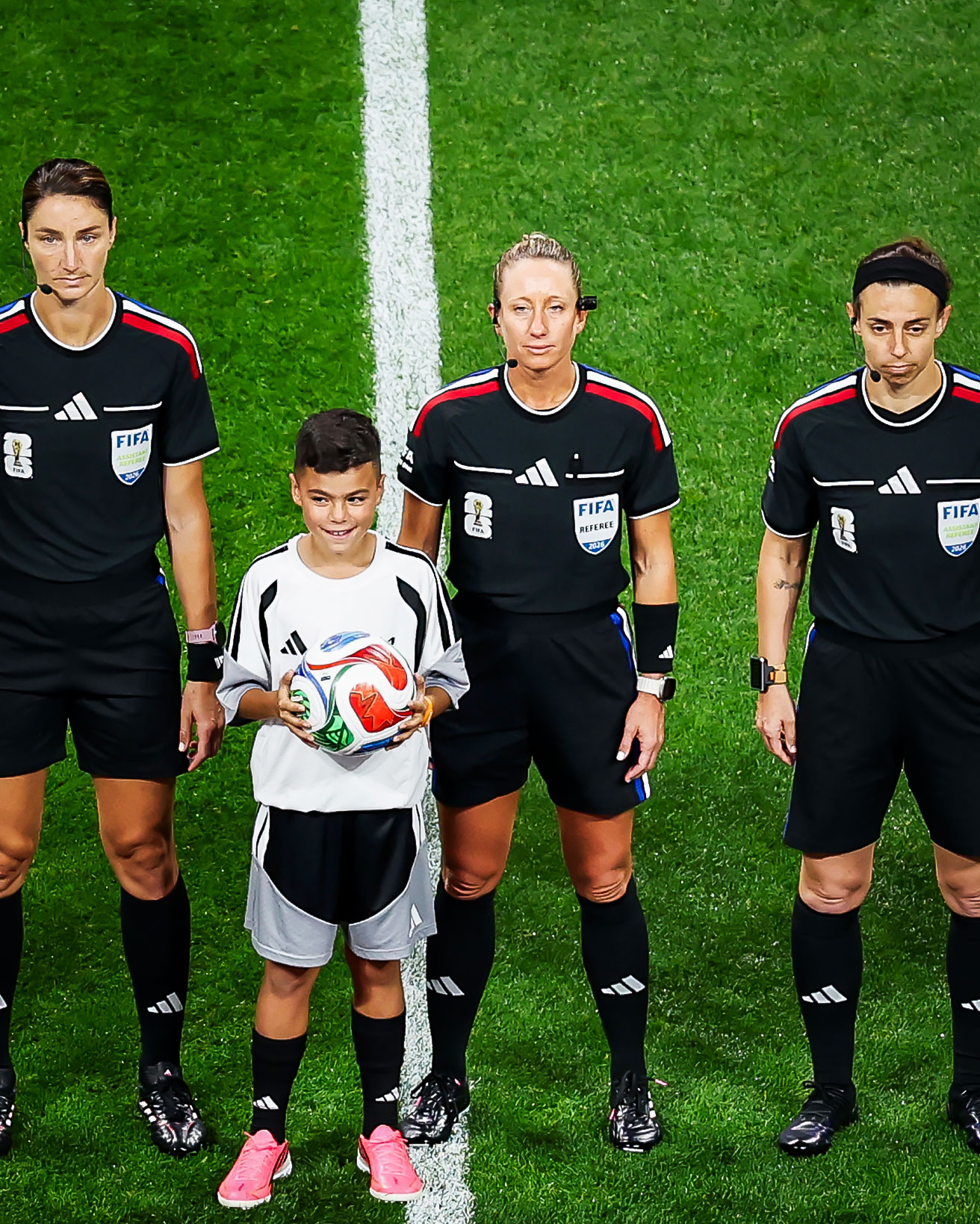
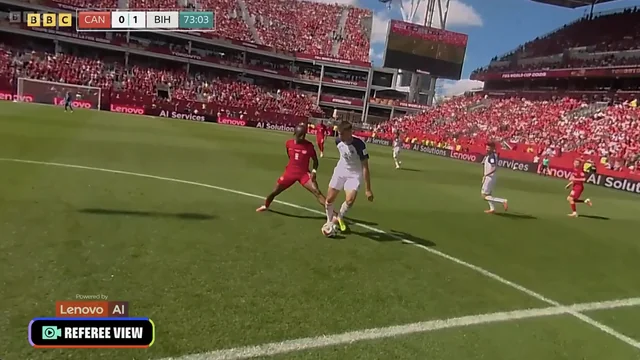
The other technology making an impact is not on the ball, but on the referees’ heads. FIFA used referee body cameras across all 104 tournament matches, allowing fans to watch the game from the official’s point of view through live and replay footage for the first time in World Cup history.
The headset-mounted camera captures the action from pitch level, showing angles that traditional broadcasts cannot provide. Lenovo’s AI-powered real-time stabilization also helps reduce motion blur by up to 50%, making the footage clearer.
The first round showed why broadcasters were interested in the new angle. Hwang In-beom’s equalizer for South Korea against Czechia was already a great World Cup moment, but the pitch-level referee view showed the speed and precision of the play in a way the regular broadcast could not.
Pierluigi Collina, chairman of FIFA’s Referees Committee, said the aim was to give viewers a perspective from an angle never seen before at a World Cup.
Where the Efficiency Actually Shows Up
Beyond the two major moments, the bigger story is how the new officiating systems are now working more consistently with fewer disputes.
Semi-automated offside technology relies on a network of well-calibrated tracking cameras to follow the ball and each player’s body pose, sending an automated alert directly to officials rather than requiring a manual review for every borderline case.
That single change strips out a layer of delay that has frustrated fans since VAR’s introduction.
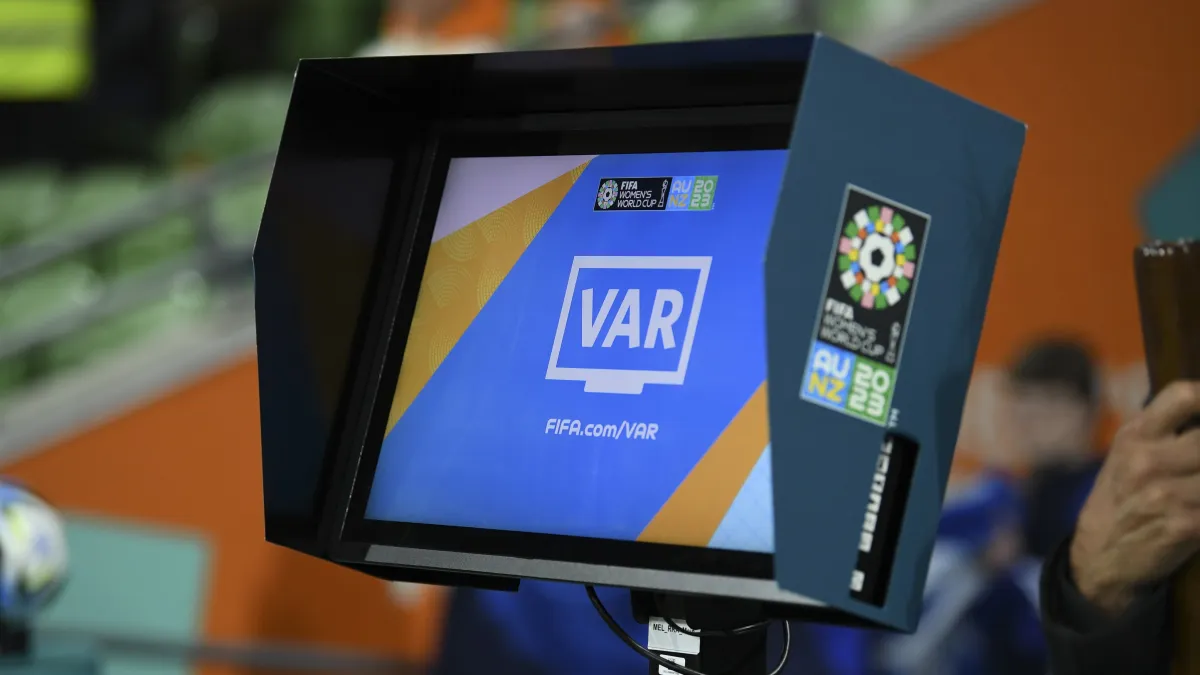
VAR was also used for disciplinary decisions, not just goal-related incidents. In the Mexico vs South Africa opener, a red card for violent conduct was given after a review overturned the referee’s original decision not to send the player off.
In the USA vs Paraguay match, VAR corrected a mistaken yellow card by identifying that it had been given to the wrong player.
The Early Verdict
After just one round of the tournament, two very different technologies have already shown their value. The Trionda helped settle a decision that would have been impossible to confirm by sight alone, while the referee cam gave fans a new perspective on a goal they will not forget.
Football’s biggest stage has always adopted new technology when it becomes available. If the first round of the FIFA World Cup 2026 is any indication, more moments throughout the tournament will continue to show how technology is changing the way fans experience the game.