




SIM swap fraud in Kenya now involves international fraudsters who are operating locally. This comes after the Directorate of Criminal Investigations (DCI) arrested four Chinese nationals in Nairobi.
According to the DCI, the four, namely Xiaoling Gu, Guodong Fu, Wenji Gao, and Gu Xiaopeng, were arrested after a report was made at Parklands police station when a victim suspected her Safaricom lines had been compromised.
“The complainant discovered that her two Safaricom lines had suddenly gone dead, leaving her unable to make calls or access M-Pesa services,” stated the DCI.
With her mobile lifeline cut off without warning, she reported the matter to police, prompting detectives from DCI Parklands to swing into action.
Detectives allege the lady’s compromised Safaricom mobile numbers facilitated the receipt of funds from a gaming and betting platform into her M-Pesa wallets.
After receiving the funds, the suspects moved the money from the M-Pesa accounts to bank accounts that bore their names.
READ: Kenyan Court Rules Safaricom, DTB Must Pay Customer KES 4.4M After SIM Swap Fraud
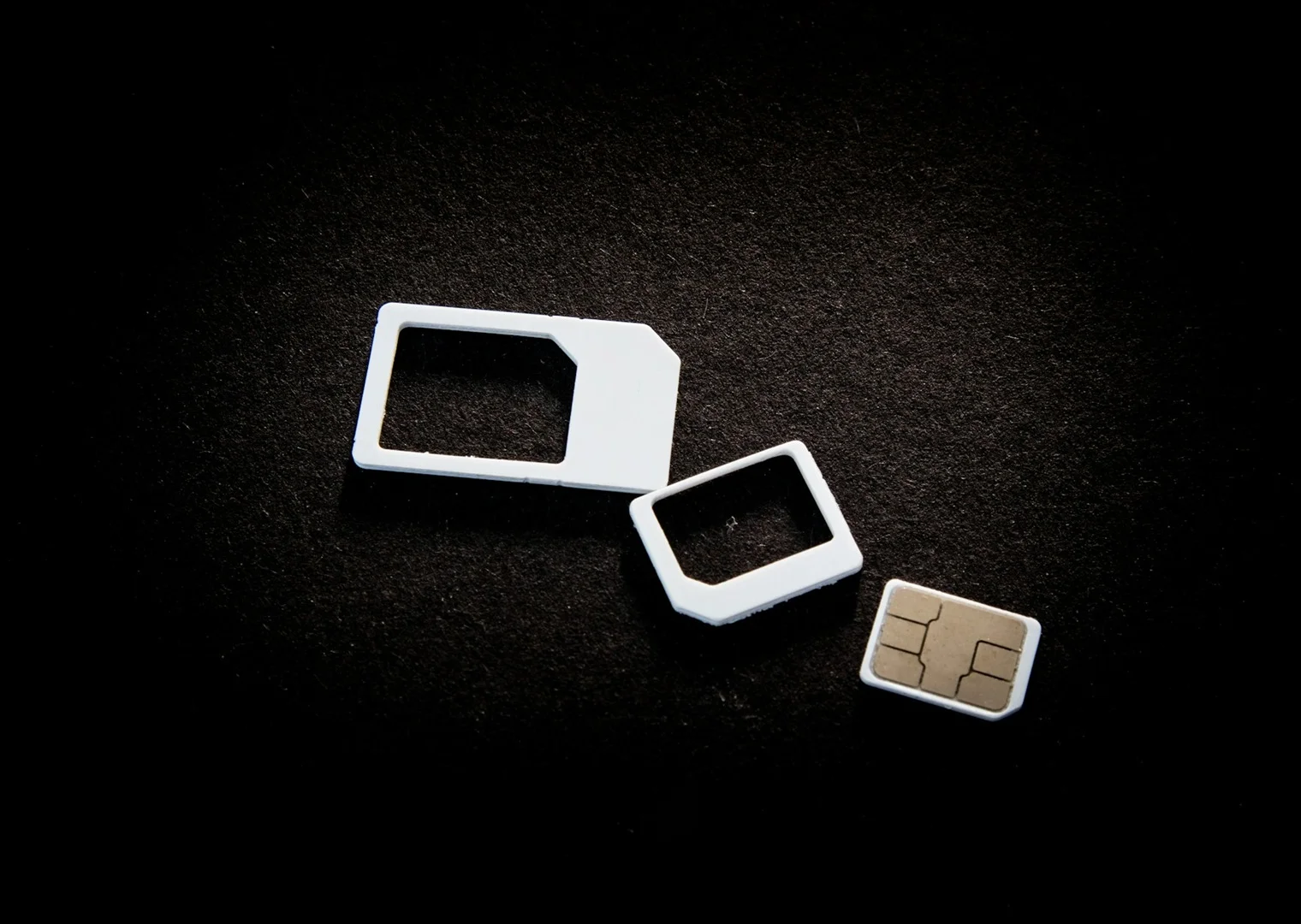
DCI were able to track them to a location in Nairobi where they found the four Chinese with 15 Safaricom SIM cards and 9 Airtel SIM cards registered under different persons and 6 SIM cards belonging to foreign nationals.
In the same premises, detectives also confiscated 6 mobile phones, laptops, 3 ATM cards belonging to different account holders, and KES 1,125,800 in cash.
The four suspects were arraigned yesterday, September 1, 2026, before the Kibra Chief Magistrate’s Court and are in custody, with a ruling on the bond application scheduled for September 4, 2026.
According to the National Computer and Cybercrime Coordination Committee (NC4), cybercrimes related to mobile money account for over 50% of fraud cases that were reported in Kenya between February and July 2026.
The arrest of the Chinese nationals is yet another incident of Asians using East Africa as a base for cybercrime.
Earlier this year, Ugandan authorities raided a Kampala compound where South Asian nationals were allegedly operating various cyber fraud schemes.