




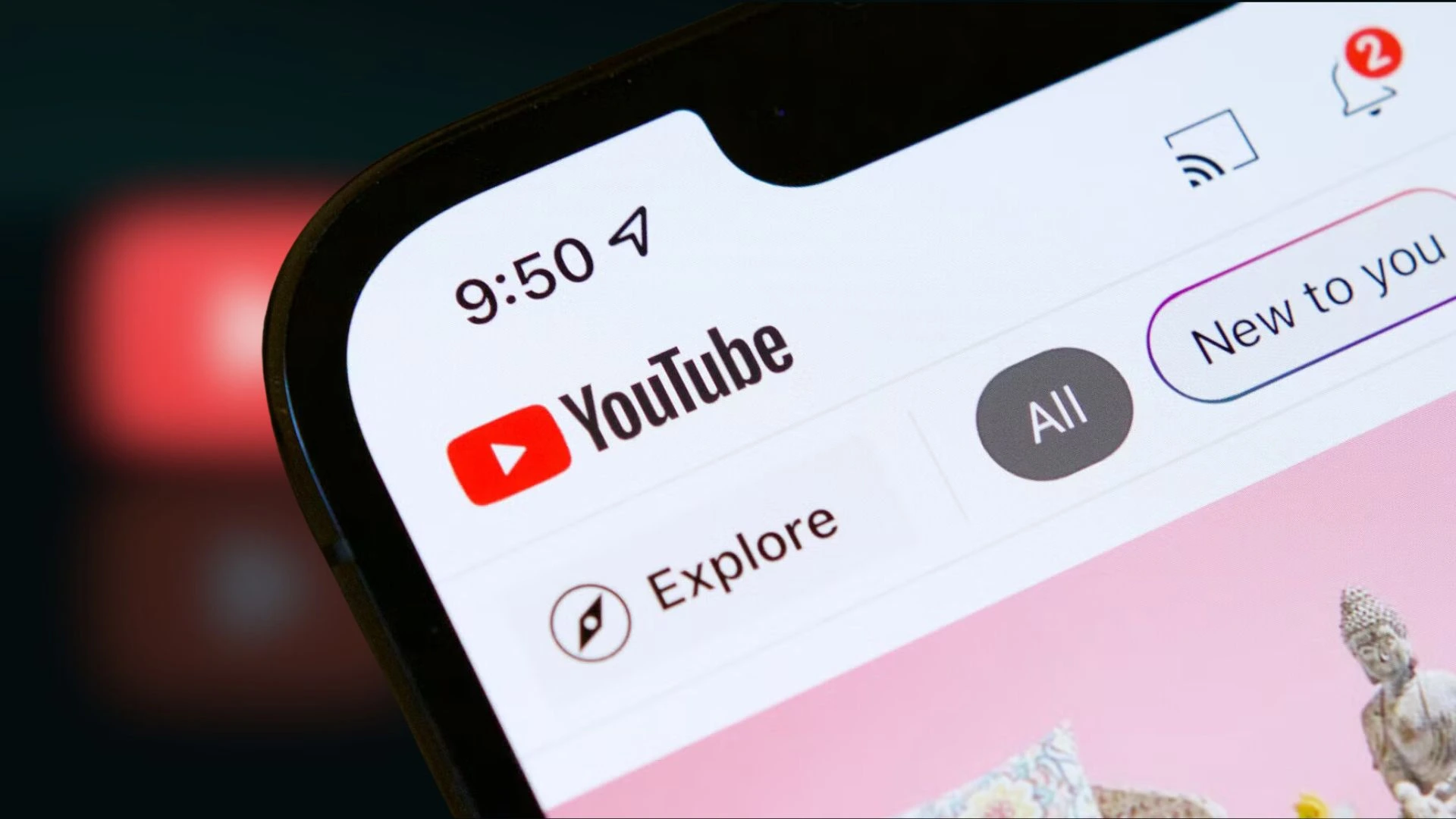
YouTube is finally taking action against the wave of AI-generated videos flooding its platform by announcing policy changes that will make it harder for creators to monetize low-quality, mass-produced content.
The update, rolling out on July 15, targets what many call “AI slop,” or the endless stream of lazy, repetitive videos that have turned YouTube feeds into content landfills.
AI Content Farms That Have Flooded YouTube for Profit
YouTube has become ground zero for AI content farms. Channels pump out hundreds of videos featuring stolen clips paired with robotic voiceovers, fake news stories created to push political narratives, and entirely AI-generated true crime series that fooled millions of viewers.
Some AI music channels have amassed millions of subscribers without creating a single original note.
The problem isn’t just volume, though. It’s profit. These slop merchants exploit YouTube’s Partner Program, making money from content that requires zero creativity, research, or effort.
YouTube insists this isn’t a new policy but a “minor update” to existing rules requiring “original and authentic” content. The company is essentially saying what should have been obvious all along: mass-produced, repetitive spam doesn’t deserve monetization!
New Policy Now Targets Repetitive, Low-Effort Videos
Starting July 15, content featuring AI voiceovers “without any personal commentary or storytelling,” slideshow compilations with reused clips, and reaction videos with “little original insight” will be ineligible for revenue sharing.
YouTube is also targeting “highly repetitive formats, especially in Shorts,” the platform’s TikTok competitor that has become a breeding ground for AI slop.
Here’s where things get weird: YouTube CEO Neal Mohan recently championed new tools for generating Shorts “from scratch,” essentially promoting the same AI technology that’s creating the content problem.
The company wants to help creators make AI videos while simultaneously cracking down on AI videos.
Even more ironic is that Google’s AI models, including Veo 3, were trained on YouTube content without creators’ permission. The platform is essentially using creators’ work to build tools that compete with creators, then punishing the lowest-quality results.
Will This Crackdown on AI Slop Really Work?
YouTube’s policy update sounds tough, but enforcing it will not be a walk in the park. Content moderation is inherently imperfect, and slop creators are already adapting.
Add a few seconds of “personal commentary” to an AI-generated video, and suddenly it might pass the authenticity test. The vague language around “highly repetitive formats” leaves plenty of room for interpretation.
The platform wants to embrace AI as the future while still maintaining quality standards. But as any YouTube user can tell you, the algorithm doesn’t distinguish between good AI and bad AI. It just wants engagement.
Legitimate creators using AI tools to enhance their content shouldn’t worry. YouTube clarified that using AI to improve videos is still allowed if the content meets other policy requirements.
The target is industrial-scale content farms, not individual creators experimenting with new technology.
The real test will be whether YouTube can distinguish between helpful AI and harmful slop. The update won’t solve the AI slop problem overnight, but it’s a start. After all, when robots make content, everyone (except the people cashing the checks) loses.