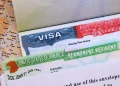





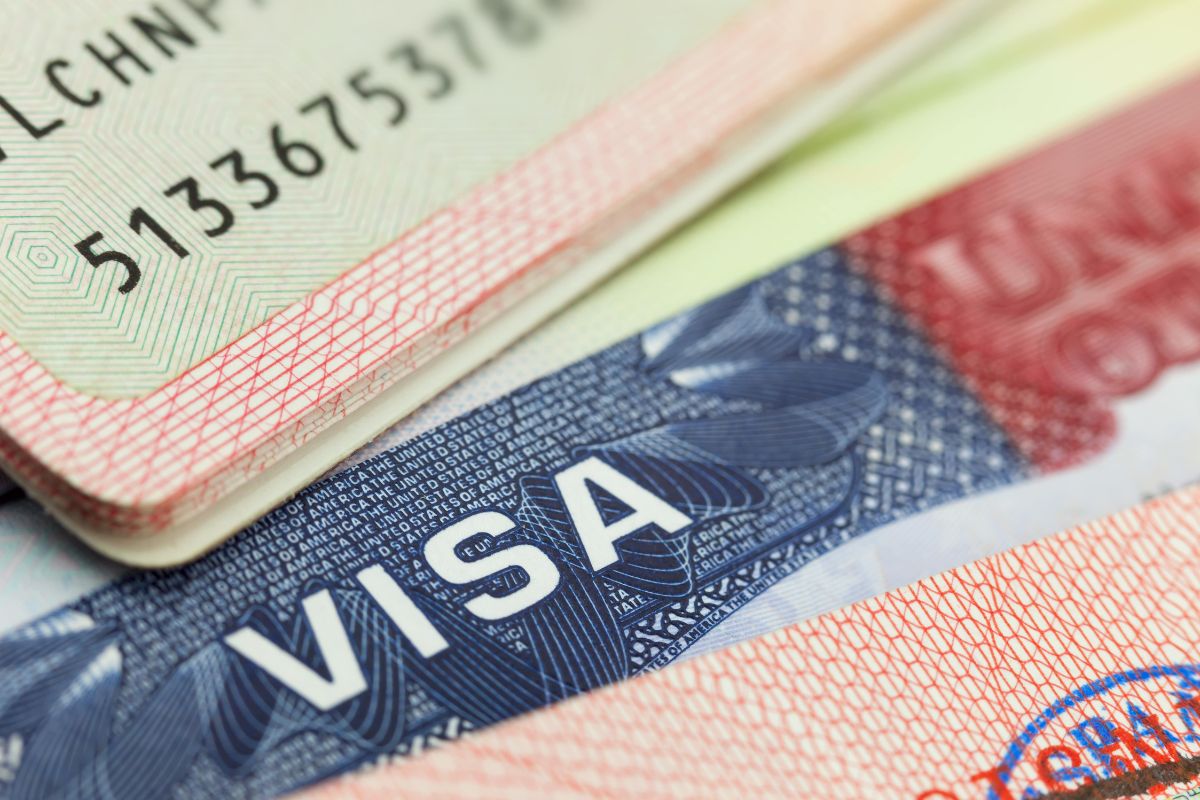
Kenyans looking to travel to the United States will now have to include more than just travel documents and financial records in their visa applications.
The U.S. Embassy in Nairobi has issued a new directive requiring all applicants to disclose every social media handle they’ve used over the last five years, regardless of the platform.
This sweeping requirement applies to all types of U.S. visas, whether you’re heading to the U.S. for tourism, business, studies, or an exchange program.
Applicants must list usernames from platforms like Facebook, X (formerly Twitter), Instagram, TikTok, LinkedIn, YouTube, Reddit, and even lesser-known forums or apps.
According to the embassy, this move is part of a broader global policy by the U.S. State Department to strengthen background checks and national security measures.
Officials argue that a person’s online activity provides important context during the vetting process and can help identify potential threats before they reach U.S. soil.
While this policy was quietly introduced worldwide in 2019, the U.S. is now stepping up enforcement in countries like Kenya, where visa demand has spiked, particularly in the student category.
The Nairobi embassy appears to be taking a firm stance: failure to fully disclose this information may be interpreted as misrepresentation, which can lead to visa denial or even long-term ineligibility.
Students Will Face Stricter Rules
While all applicants are expected to comply, those applying for student (F and M) and exchange visitor (J) visas are likely to face even closer scrutiny.
In some cases, consular officers may require these applicants to make their accounts publicly viewable or provide additional context around their social media activity during interviews.
This heightened review comes after earlier visa appointment delays in 2025, which were attributed to new social media screening policies being put in place.
The embassy had temporarily suspended certain student visa interviews as it transitioned to these stricter protocols, which are now in full effect.
This new rule places extra responsibility on visa applicants to be thorough and transparent. The process may feel intrusive, but the embassy insists it’s part of modern risk assessment.
For applicants, it’s essential to audit your digital footprint, delete or hide anything that might be controversial, and ensure your listed social media names match your actual usage. Failure to do so could result in delays or outright rejection.
READ: U.S. Visa Applicants Must Now Disclose Social Media History
Privacy Concerns
Understandably, the directive has stirred debate around privacy. Some Kenyans worry about being judged unfairly based on old or taken-out-of-context posts.
Others are concerned about the risk of overreach, questioning whether a tweet or meme from five years ago could derail their academic or professional dreams in the U.S.
With the U.S. now officially incorporating social media into its vetting criteria, Kenyans hoping to travel must treat their online presence as an extension of their application.
For many, this may mean scrolling through years of content, updating privacy settings, or even rethinking how they present themselves online.