




A Kenyan startup that wanted to flood Africa with a million electric bikes just learned a harsh lesson about market realities. eBee Africa went from ambitious expansion plans to walking papers for nearly everyone on the payroll in less than four years.
February of this year marked the beginning of the end for eBee’s workforce. The company slashed jobs in every department, keeping only a handful of employees who eventually walked away on their own by July. What started as a 50-person operation became a ghost company in months.
According to TechCabal, which broke the story, the official explanation was that revenue was tanking, costs were spiraling, and the payroll had become impossible to maintain. Management dressed it up as strategic restructuring, but as they say, “numbers don’t lie.”
Why Nobody Wanted Electric Bikes
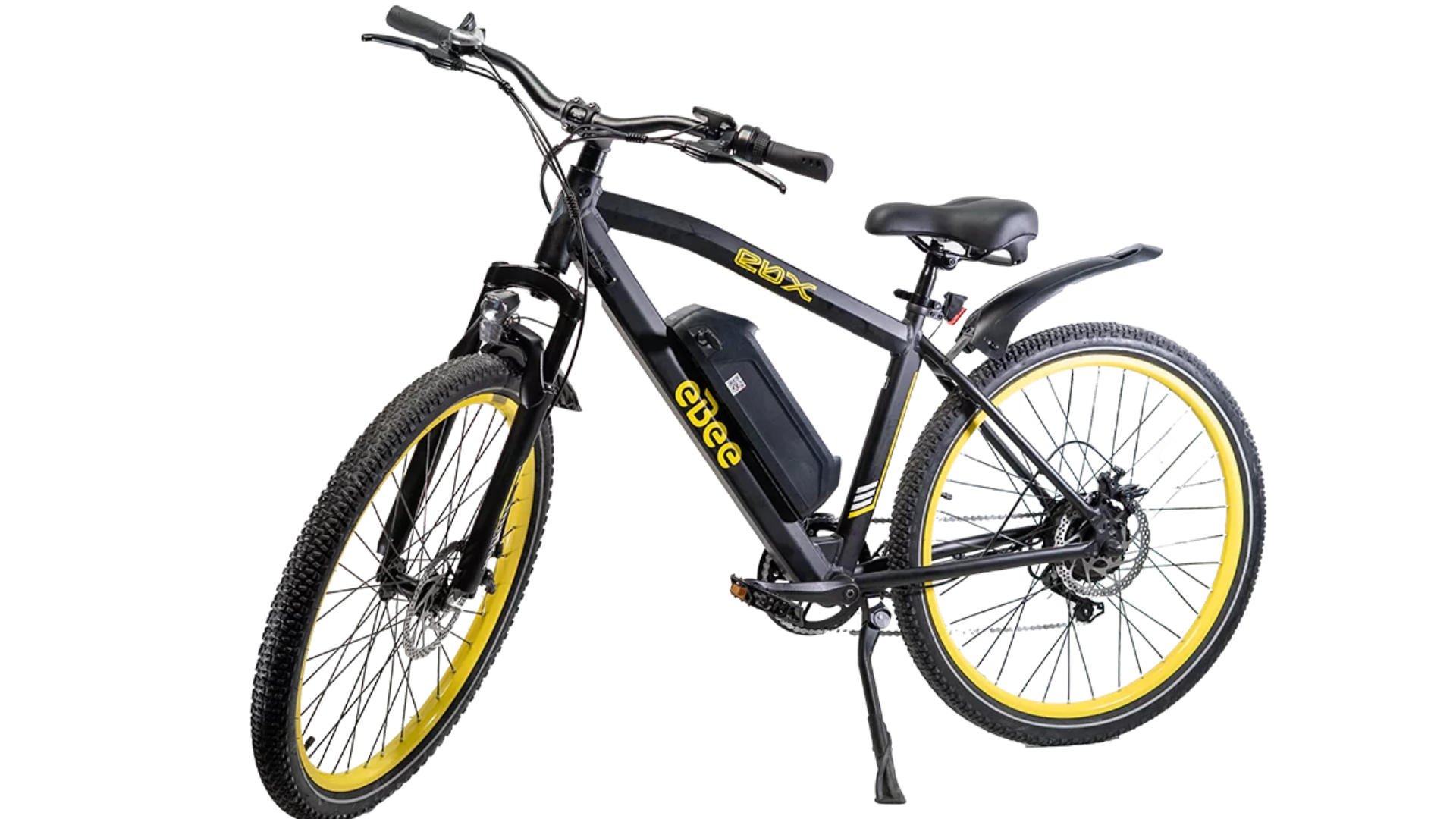
eBee’s fundamental miscalculation was thinking Kenyans would pay premium prices for electric bicycles. Their main model carried a price tag of nearly KES 100,000 upfront or close to KES 10,000 monthly for rentals.
For a market where delivery riders scrape together income day by day, these numbers were pure fantasy.
The company kept insisting their bikes offered better long-term economics than gas-powered motorcycles. They promoted features like home socket charging and lower maintenance costs.
Still, none of that mattered when customers could buy used motorcycles for a fraction of the cost and get more power, speed, and familiarity.
eBee designed cargo variants and pitched themselves as the perfect solution for delivery services. They landed partnerships with major platforms operating across East Africa.
Yet even with corporate backing, individual riders still had to make the math work on their personal budgets, and unfortunately for eBee, it didn’t.
A Market That Wasn’t Ready
eBee’s business model came at an especially brutal time. While electric vehicles gain ground globally, Kenya’s transportation ecosystem runs on different logic.
Motorcycle taxis dominate urban mobility, and riders prioritize immediate affordability over environmental benefits or theoretical fuel savings.
Electric motorbikes have started gaining some traction locally, but they offer the power and range that bicycle alternatives can’t match.
eBee found itself stuck in an uncomfortable middle ground where it was too expensive for budget-conscious riders and too limited for those who needed serious performance.
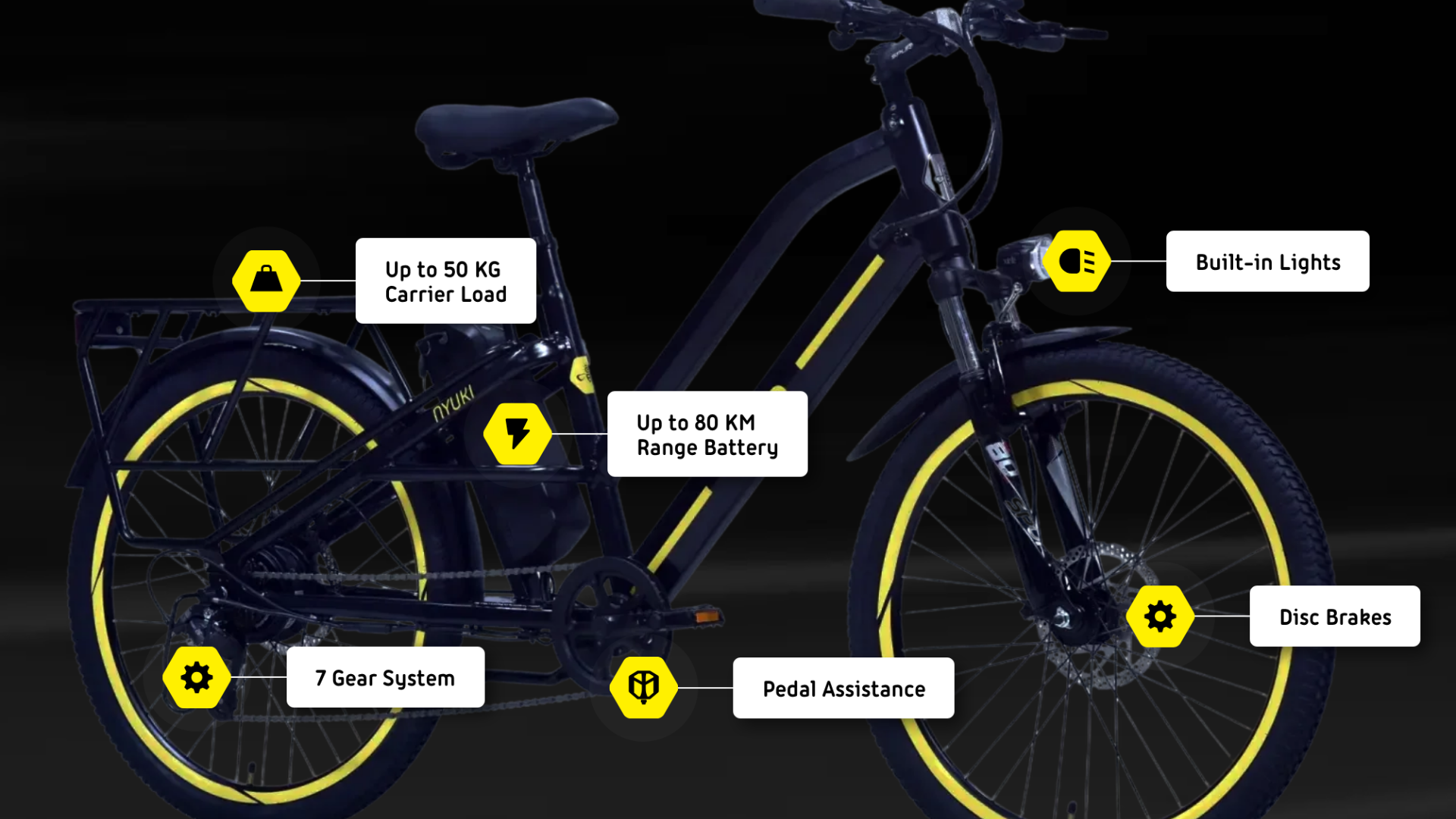
The company tried expanding to Uganda and Rwanda, hoping different markets might prove more receptive. They secured government partnerships and worked with established delivery networks.
However, replicating the same model across borders couldn’t solve problems that originated with the product itself.
Internal Woes
March brought another blow for the startup when founder and CEO Sten Van Der Ham departed after four years building the company. His exit came right after eBee lost a messy legal battle with Kenya’s tax authority over how to classify imported electric bicycles.
This was a dispute that likely cost the company considerable money it couldn’t spare.
Losing the person who had steered the ship from inception, especially during a crisis period, sent clear signals about the company’s internal state. When founders start jumping ship, it usually means the problems run deeper than public statements suggest.
eBee insists it’s still in business, serving existing customers and hunting for new partnerships. The company promises to honor warranties and maintain support services, though it’s hard to imagine how they’ll manage that without staff.