





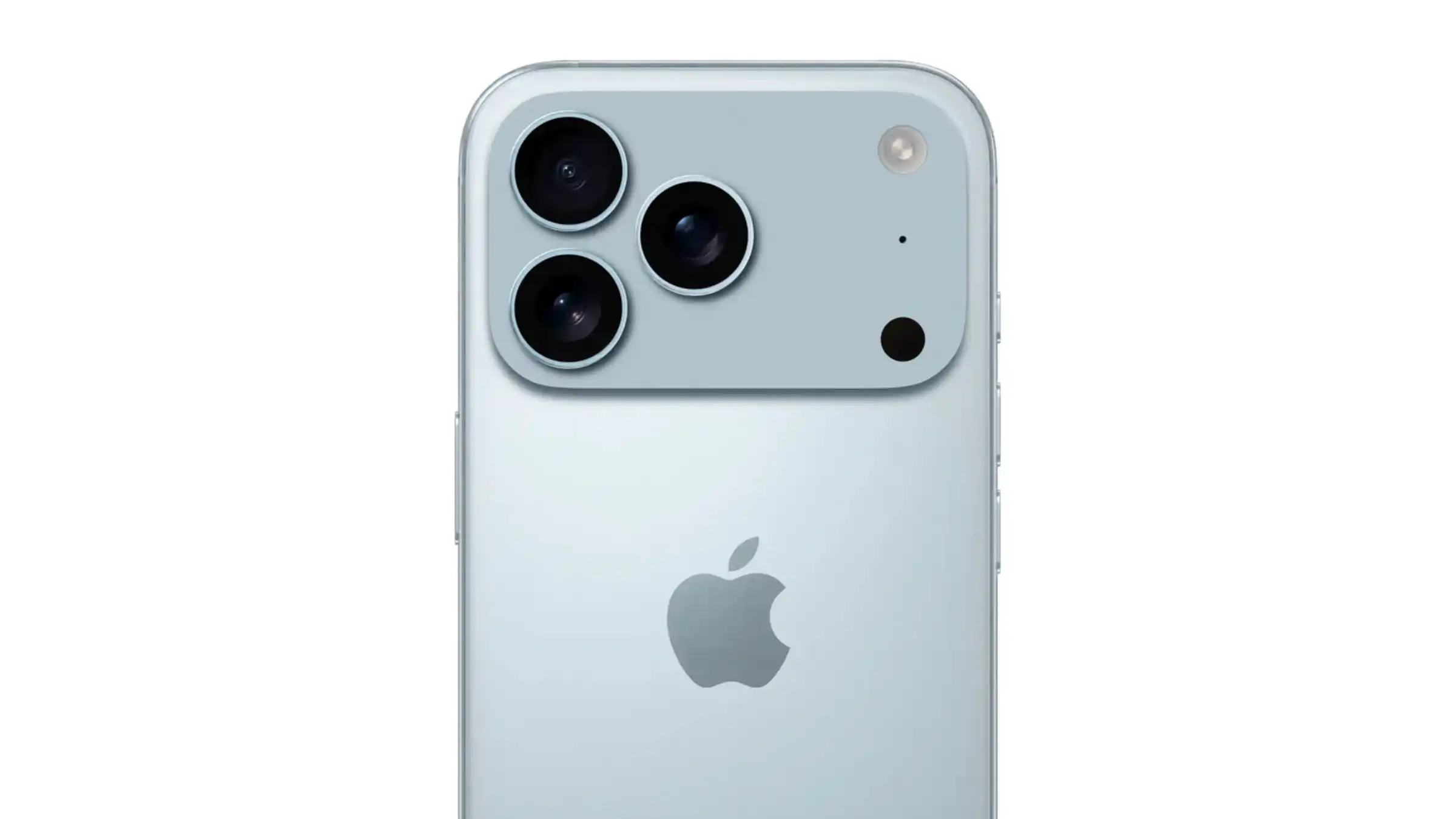
Apple is making plans to unveil the iPhone 17 series at a time when global analysts are warning of higher prices across several models.
Reports suggest that the iPhone 17 Pro, Pro Max, and the rumored ultra-thin Air variant could see increases of between $50-$100 compared to their predecessors.
Rising US tariffs are pushing Apple to adjust its pricing strategy, while efforts to diversify production away from China toward India are reshaping supply chains.
Suppliers have also been required to introduce more automation in their factories, further adding to costs. Analysts note that even if Apple absorbs part of these expenses, the result is still likely to be felt by consumers worldwide.
For Kenyan buyers, the outlook is more complicated. Apple does not operate official retail channels in the country, meaning all devices are sourced through importers and resellers.
This has long resulted in significant markups, often placing iPhones among the most expensive handsets in the local market. In some cases, prices in Nairobi shops are as high as or higher than those in international markets, even before the latest hikes are factored in.
READ: Apple May Unveil the iPhone 17 Lineup on September 9
Data shows that most iPhones reaching Kenya come from China, Dubai and increasingly India. Importers such as Redington Kenya play a leading role in distributing the devices, but with limited official oversight, pricing remains largely at the discretion of retailers.
A global increase of 50 to 100 USD could translate locally into an additional KES 15,000-20,000 on the shelf price, depending on model and configuration, before you even consider the ridiculously high markup figures that retailers tend to add on top.
The Kenyan market has historically absorbed these increases, with strong demand among well-to-do urban buyers and a thriving second-hand segment. However, as the iPhone 17 series approaches launch, local consumers will once again be weighing prestige against cost.