




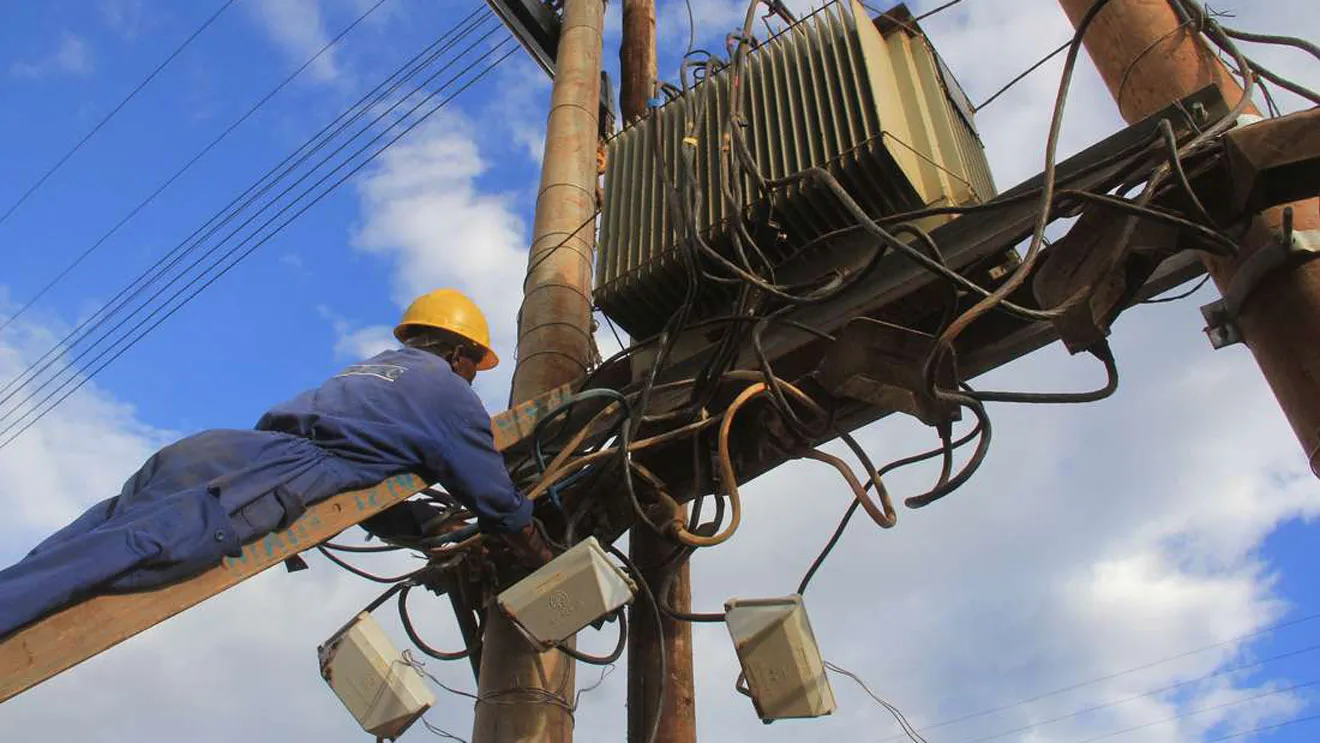
Kenya Power may soon be compelled to compensate customers for extended electricity blackouts if proposed regulations by the Energy and Petroleum Regulatory Authority are adopted.
The Draft Energy (Electricity Reliability, Quality of Supply and Service) Regulations 2025 require utilities to compensate customers with 75% of their average daily consumption during prolonged outages.
Prepaid users will receive free tokens, while postpaid customers will get bill adjustments.
The proposed rates vary depending on consumption levels. Small domestic users consuming less than 30 units of power per month would receive up to KES 2.92 per day, while those using between 30 and 100 units would get KES 37.50 per day.
Large industrial consumers connected at 66 kilovolts could be entitled to as much as KES 550,559.85 per day.
The rules also outline penalties for delayed connections during planned outages. Households would be compensated up to KES 3.75, medium-level consumers using between 100 and 15,000 units would receive KES 1,570, while factories and other large-scale users would be eligible for up to KES 734,079.80.
READ: Revealed: The Hidden Formula Behind Kenya Power Token Variations
Beyond consumption-based payouts, Kenya Power could also face claims for property damage, financial losses incurred by businesses, bodily harm, or even death resulting from blackouts.
Customers would need to provide proof, such as invoices, valuation reports, or medical records, to support their claims.
The proposed regulations stipulate that all claims must be filed within a year of the breach. Once approved by the regulator, compensation, whether through cash adjustments or token rewards, would have to be settled within 90 days.
This reforms come as Kenya Power, which trades under the KPLC ticker on the Nairobi Securities Exchange, continues to grapple with concerns over supply reliability.
The company currently serves 10.06 million customers and reported a profit of KES 9.97 billion for the half-year to December 2024.
If adopted, the draft rules could change how Kenya Power is held accountable, offering financial redress to households and industries alike for service interruptions that have long been a source of frustration in the country.