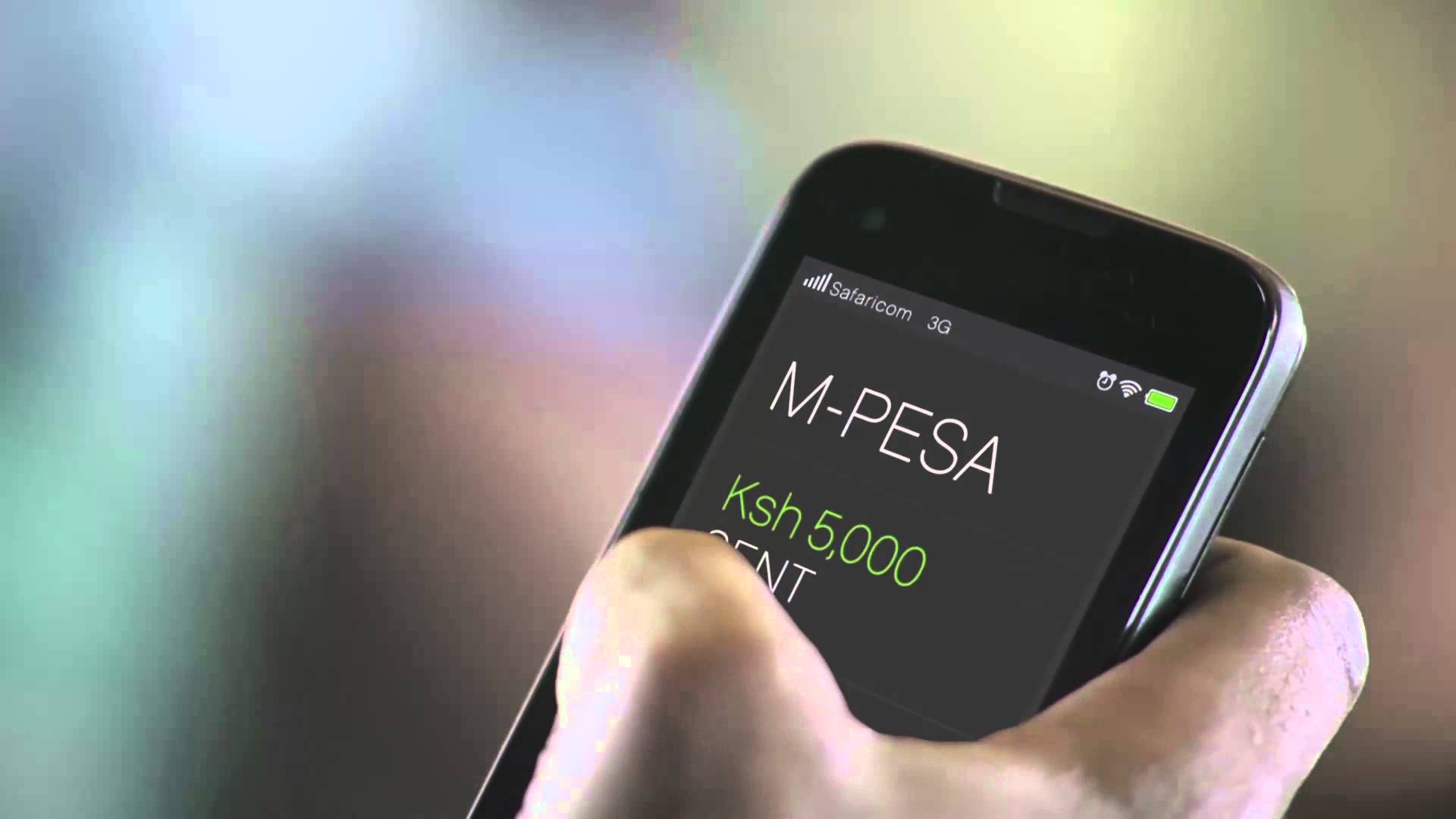






Imagine you loaded money onto your phone, went through the M-Pesa prompt, confirmed the transaction, and got a token from Kenya Power. Then you realized it went to the wrong meter, or maybe you typed a digit wrong.
Probably the number autofilled to an old account. Either way, the electricity went nowhere useful, and the money is gone, so what do you do?
In such a scenario, the official remedy from Kenya Power is a Prepaid Reallocation Form, available on its website, which you fill out, attach alongside a scanned national ID and your transaction message, and email in.
If the review goes in your favor, the tokens will be credited to the correct meter.
How To Actually Do It
For anyone who needs to go through this process right now, here is the complete sequence:
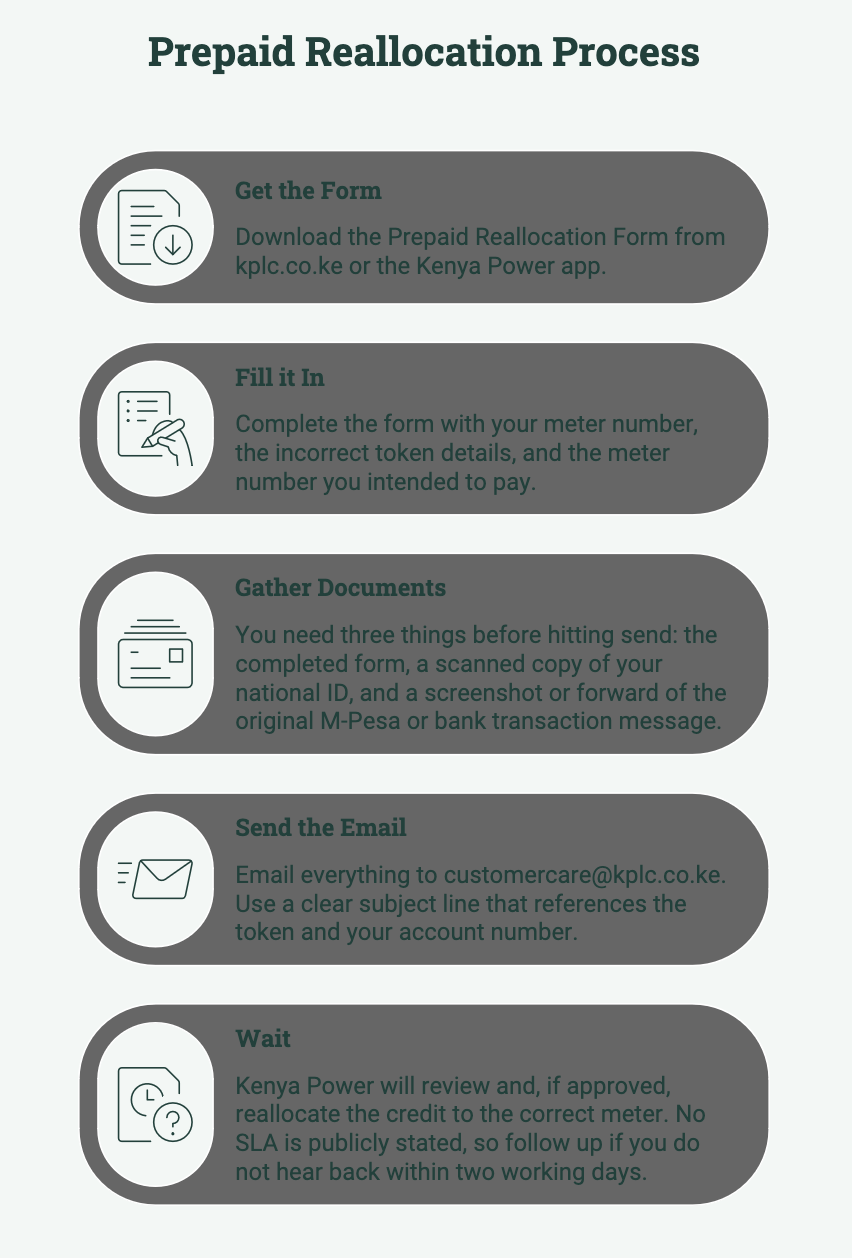
Basically, getting a prepaid electricity token reversed means downloading a form, scanning your ID, and sending an email.
The USSD shortcode *977# offers no relief either. It lets you view and manage saved meter accounts, but there is no reversal option anywhere in the menu.
Why Is This Process So Complicated?
The paperwork trail is not pure bureaucratic laziness. There is an architectural reason it works this way, even if that reason is now overdue for a fix.
Kenya Power’s prepaid system runs on the Standard Transfer Specification, a cryptographic protocol that generates tokens offline. Once a token is computed and delivered to a customer, it does not sit in a ledger waiting to be settled or canceled.
It exists as a self-contained string of digits, independent of any live database. Kenya Power cannot simply void it the way Safaricom can reverse a pending M-Pesa transaction because the token is already out there, fully formed, waiting to be entered into a meter.
The identity verification requirement is a deliberate fraud gate. Reversal requests are a known social engineering vector. Someone could claim a wrong token to get credit reallocated from another person’s meter.
The ID check is meant to close that gap. It is a legitimate concern, but it is being solved with 2003-era tooling.
What’s the Point of the Kenya Power App?
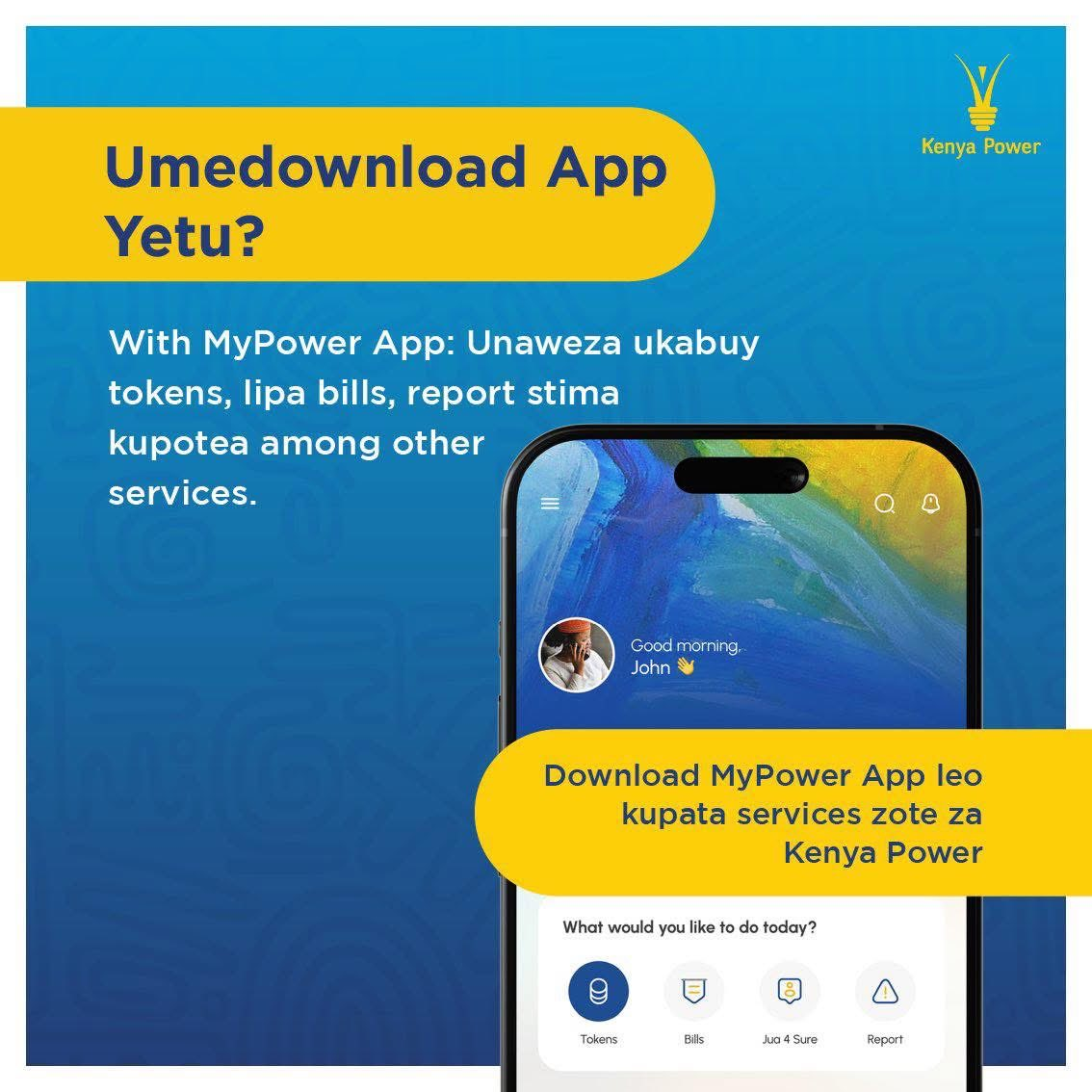
Kenya Power has put considerable marketing weight behind its MyPower App. The company regularly points customers toward it as the face of its digital transformation.
However, when you make a wrong token purchase and open the app looking for a reversal option, you will not find one. You will be directed back out to a PDF form and an email address.
Kenya Power is still analog despite all the digital veiling. Downloading a form that you then print, fill, scan, and email is not the customer experience the app promises.
The gap between how Kenya Power presents its digital capabilities and what those capabilities actually cover in a real customer crisis is significant.
Mistaken token purchases are not rare. They happen frequently, especially as more people pay through mobile money. Customers often move quickly through confirmation prompts, autofill may insert a previously used meter number, and a single wrong digit can send money to the wrong account.
Despite how common this problem is, Kenya Power has not integrated a solution into its own app.
What a Better System for Kenya Power Looks Like
The obvious comparison is M-Pesa, where Safaricom built reversal logic into the transaction layer itself. If you send money to an unintended number and the recipient has not spent it, you can initiate a reversal in the app within minutes, and the funds return to your wallet automatically.
The enabler is that every M-Pesa transaction is logged in real time against a verified phone number tied to a KYC profile. The identity question is already answered at the account level.
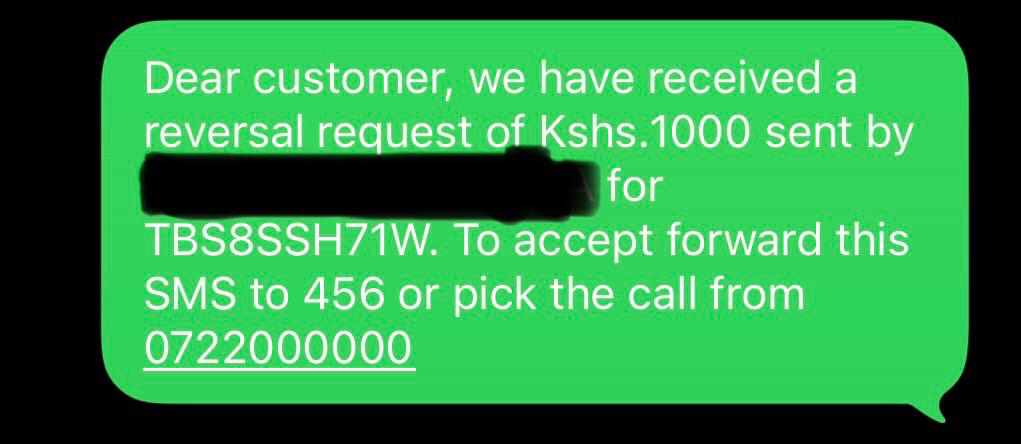
Kenya Power could adopt a similar approach. If a token is purchased through the app or USSD using a verified account and is not entered into a meter within a set period, such as 30 to 60 minutes, the system could identify it as unused and allow the customer to request a reversal through the app.
The credit would be returned to the original M-Pesa wallet or Kenya Power account. Identity verification is already completed when the account is created, and meter usage data can confirm whether the token was entered.
Fraud checks would still exist, but they would be faster and more effective.
The technology to build this already exists. What Kenya Power lacks is real-time token state tracking, something its current systems do not support. Implementing it would require significant engineering work, but it is a solvable problem.
It is also something the company should have prioritized before positioning the app as a flagship product. Until that changes, fixing a wrong token still means finding the form, locating your ID, sending an email, and waiting for a response.