




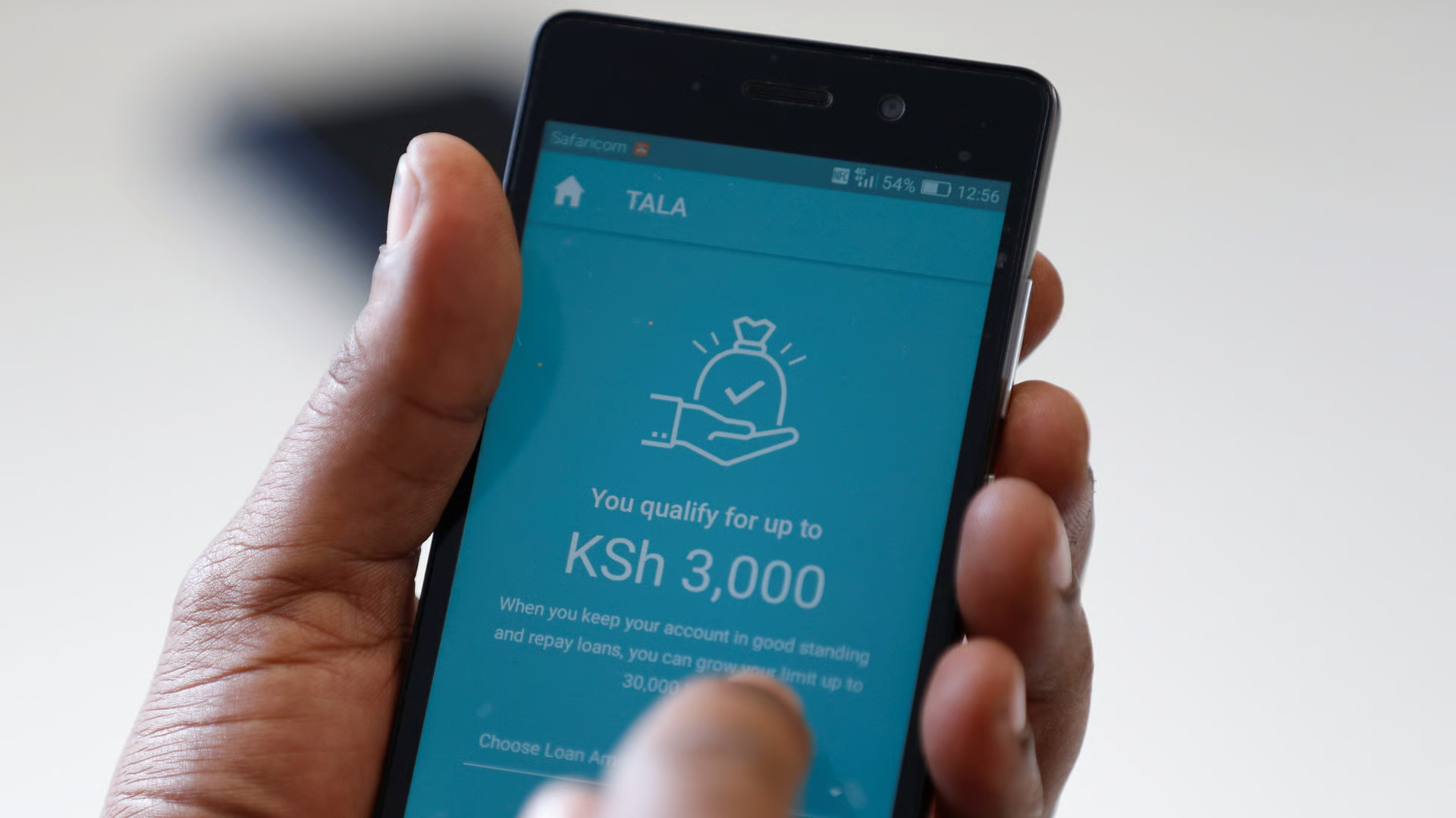
Digital lenders in Kenya are changing their approach to microloans as new data reveals a worrying trend of defaults on the smallest mobile loans.
Figures from the Central Bank of Kenya (CBK) show that 83.1% of loans below KES 1,000 went unpaid in 2024, making them the most vulnerable category for defaults.
The findings highlight the difficulty digital lenders face in recovering small amounts from low-income borrowers, many of whom rely on mobile loans for daily expenses.
In response, some lenders have started raising their minimum loan thresholds above KES 1,000. The shift allows them to list defaulters with credit reference bureaus (CRBs), since current regulations prohibit the blacklisting of borrowers who default on loans below that figure.
The CBK data further paints a contrast between repayment patterns across loan sizes. Borrowers with larger loans showed greater responsibility in meeting obligations.
Default rates stood at 69.4% for loans between KES 1,000 and KES 5,000, while the figure dropped sharply to 16.4% for loans ranging between KES 50,001 and KES 100,000.
According to industry observers, the change in lending practices is aimed at balancing financial inclusion with sustainability. Digital lenders have become a lifeline for millions of Kenyans who often lack access to formal bank credit.
More than 5.5 million borrowers have tapped into these platforms, with total disbursements amounting to KES 76.8 billion. But the rise in defaults has forced companies to rethink their business models, seeking ways to protect revenues without shutting out those who depend on quick loans.
By pushing the minimum loan limits higher, lenders are betting that borrowers will be more cautious with amounts that could affect their credit records.
At the same time, critics warn that the move risks excluding low-income households that turn to small mobile loans to cover basic needs.
The CBK is expected to monitor how these adjustments affect repayment trends, access to credit, and overall financial health in the sector as the debate over consumer protection and lender sustainability continues.