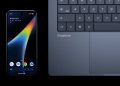





Google is officially merging Android and ChromeOS to create a new operating system for laptops and PCs.
At the Qualcomm Snapdragon Summit in Maui, the spotlight wasn’t just on Qualcomm’s new Snapdragon X Elite chips; it was also on Google’s plan to expand Android beyond smartphones.
Qualcomm CEO Cristiano Amon confirmed that Google’s long-rumored Android–ChromeOS merger is real, saying he has already seen the system in action and called it “incredible.”
Google’s Sameer Samat, head of Android Ecosystem, added more detail, confirming that the unified platform will arrive next year. “It’s something we’re super excited about for next year,” Samat said.
The upcoming operating system combines the best of Android’s app ecosystem with the productivity strengths of ChromeOS, designed to scale seamlessly across phones, tablets, and PCs.
It will also integrate Google’s AI tools, including Gemini, directly into the platform, offering AI-powered features at the system level.
For hardware makers, Qualcomm’s new Snapdragon X Elite and other ARM-based chips are optimized for AI-first computing, providing the performance needed to run demanding desktop tasks while supporting Android apps natively.
Rollout Plan
Google and Qualcomm have confirmed that the first wave of devices powered by the new unified Android–ChromeOS system will arrive in 2026.
While an exact launch date hasn’t been announced, the rollout is expected to coincide with the launch of laptops and PCs using Qualcomm’s Snapdragon X Elite chips.
The plan is to deliver the OS initially through new hardware releases, meaning early adopters will likely need to buy new laptops rather than upgrade existing Chromebooks.
Over time, Google is expected to expand availability to other manufacturers, potentially creating a wide range of Android-powered PCs.
For developers, Google will provide tools and resources this year to begin testing and optimizing apps for larger screens, desktop-style inputs, and AI integration.
Although details about updates for existing ChromeOS devices remain unclear, analysts expect Google to eventually outline a migration path to avoid leaving Chromebook owners behind.
Despite the excitement around this, there are still challenges that need to be solved. Many Android apps are not yet optimized for larger screens, multitasking, or desktop-style inputs like a keyboard and mouse.
Google also needs to find a clear strategy for existing ChromeOS Chromebook users and how they will transition.