




Vodafone has extended its long-standing partnership with Nokia through a new five-year agreement aimed at accelerating 5G rollout across Europe and Africa.
The renewed collaboration focuses on deploying Nokia’s advanced AirScale radio access network technology, which promises faster speeds, wider coverage, and improved energy efficiency.
A highlight of the partnership is the introduction of Africa’s first dual-band 5G Massive MIMO radio, a key innovation expected to enhance connectivity and support the growing demand for data services.
The new system will increase network capacity while lowering energy consumption, supporting more sustainable and cost-effective operations across Vodafone’s markets.
As part of the agreement, Nokia will deliver baseband units and remote radio heads powered by its ReefShark System-on-Chip technology, improving performance and reliability.
Vodafone will also integrate Nokia’s AI-powered MantaRay NM platform to optimize network management across its European and African networks.
In Africa, Vodafone operates through its subsidiary Vodacom in countries such as South Africa, Tanzania, Mozambique, Lesotho, the Democratic Republic of the Congo, and Egypt. It also holds a significant stake in Safaricom, which runs networks in Kenya and Ethiopia.
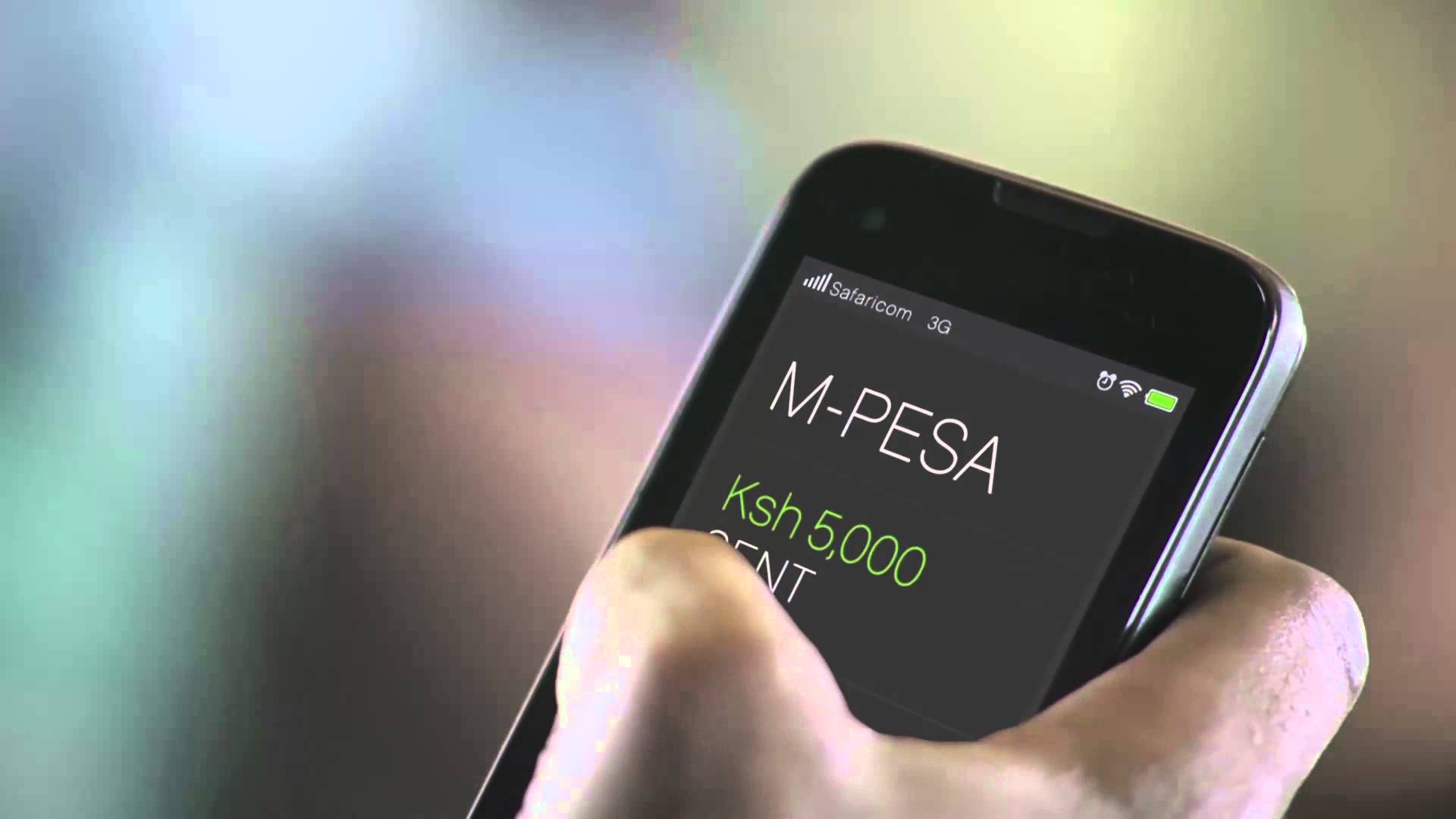
The new partnership is set to strengthen Safaricom’s 5G capabilities, supporting its goal of expanding ultra-fast mobile internet coverage across Kenya and the region.
This is particularly important as Kenya continues to invest heavily in digital transformation and innovation, with 5G seen as a crucial driver of economic growth and technological advancement.
Nokia’s head of RAN, Mark Atkinson, said the collaboration indicates the shared commitment to building efficient, high-performance networks that can meet rising connectivity needs while remaining environmentally responsible.
In 2022, Nokia collaborated with Safaricom in Kenya to pilot network slicing technology, which enables operators to create dedicated, high-performance lanes for enterprise connectivity and secure cloud-based services.
The company also played a key role in supporting Vodacom’s transition from 2G and 3G to 4G and 5G, significantly improving rural coverage and strengthening connectivity across Africa.
Data from GSMA Intelligence shows that mobile technologies and services accounted for roughly 7% of sub-Saharan Africa’s GDP in 2023, contributing more than 140 billion dollars to the region’s economy.
This figure is expected to grow to around 170 billion dollars by 2030, driven largely by the continued rollout of 5G, which could inject an additional $10 billion into the regional economy by the end of the decade.