




A major internet disruption yesterday saw thousands of websites and applications go offline following an Amazon Web Services (AWS) outage that rippled across the globe.
The outage, which began in the US East 1 region in Northern Virginia, lasted for several hours and affected a wide range of services including social apps, gaming platforms, retail sites, and even Amazon’s own services.
Ultimately, the problem was traced to a failure in a subsystem that manages network load balancers inside the EC2 service, leading to elevated error rates and widespread downtime.
Popular platforms such as Fortnite, Snapchat, Signal, and Duolingo were among the hardest hit. Businesses dependent on AWS for cloud computing, data storage, and hosting struggled to maintain normal operations, revealing how heavily the digital world relies on a few centralized cloud providers.
Experts noted that the outage showcased the vulnerability of an internet architecture dominated by major players like Amazon, Microsoft, and Google. Once AWS malfunctioned, a chain reaction affected other systems that relied on its backbone infrastructure.
Amazon confirmed that services had returned to normal operations later that day, although some users still experienced delays as systems cleared backlogged requests.
The company apologized for the inconvenience and assured users that steps were being taken to prevent similar occurrences in the future.
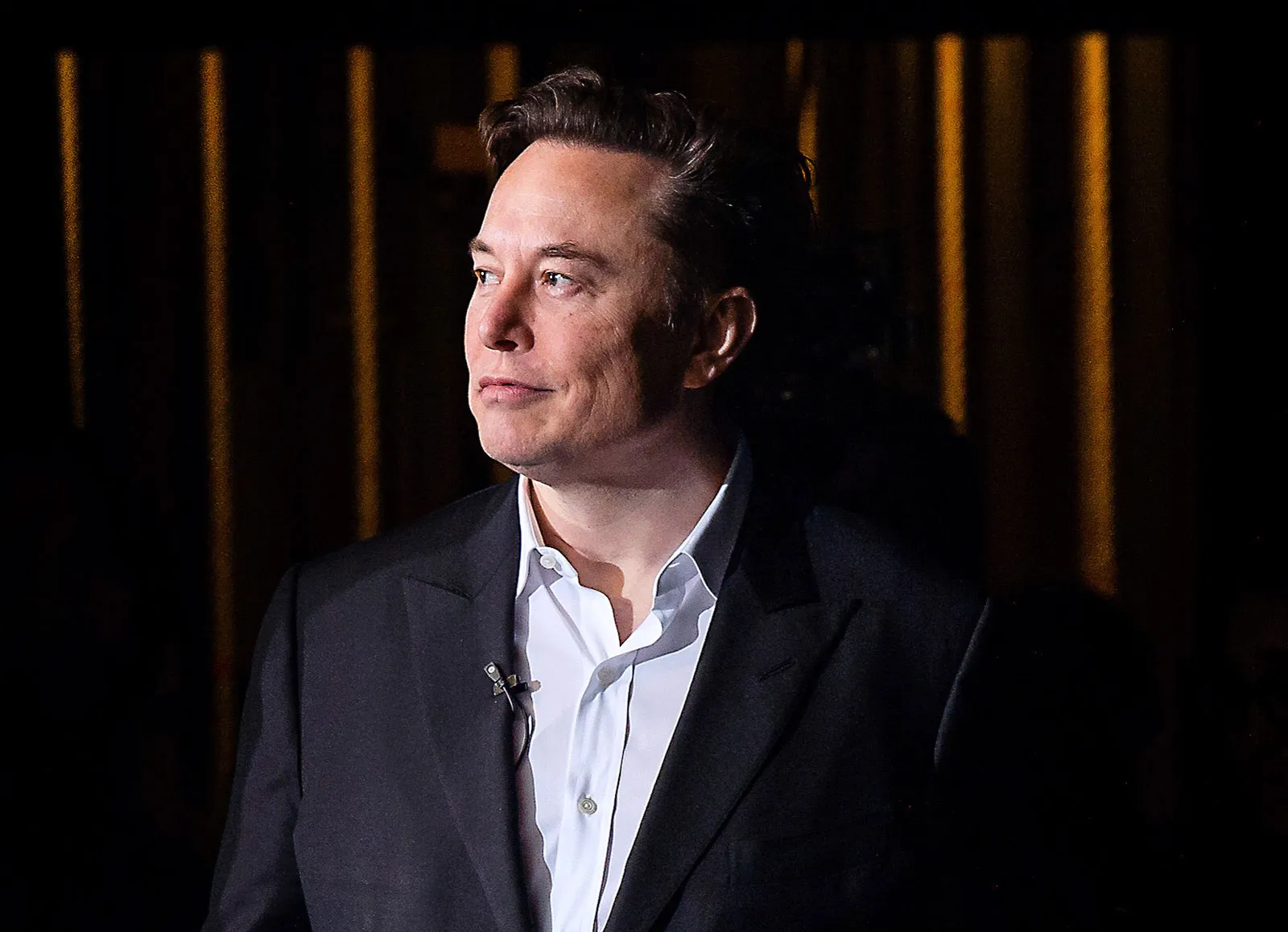
As users vented frustrations online, Elon Musk was quick to comment on the situation. In a post on his social media platform X, he simply wrote, “X works,” a remark that quickly went viral.
His company’s platform remained unaffected by the AWS outage, and he took the opportunity to promote the independence of X from Amazon’s infrastructure. Musk explained that X does not rely on AWS for its core systems, describing the platform as more resilient and privacy-conscious.
He also made a thinly veiled jab at competitors like Signal, saying he no longer trusted services that depend on cloud providers susceptible to such large-scale disruptions.
Elon Musk’s posts appeared to highlight not only his platform’s resilience during the disruption but also his competitive edge against Jeff Bezos in the tech and space sectors.
Given their history of public sparring over ventures like SpaceX and Blue Origin, many can see Musk’s reaction as deliberate trolling, an attempt to mock Bezos while showcasing X’s independence from Amazon’s cloud infrastructure.
The AWS outage served as a wake-up call for businesses and consumers alike, exposing just how intertwined the modern internet has become. It also offered Musk another platform to position X as a more self-reliant and secure alternative in an increasingly centralized digital ecosystem.