




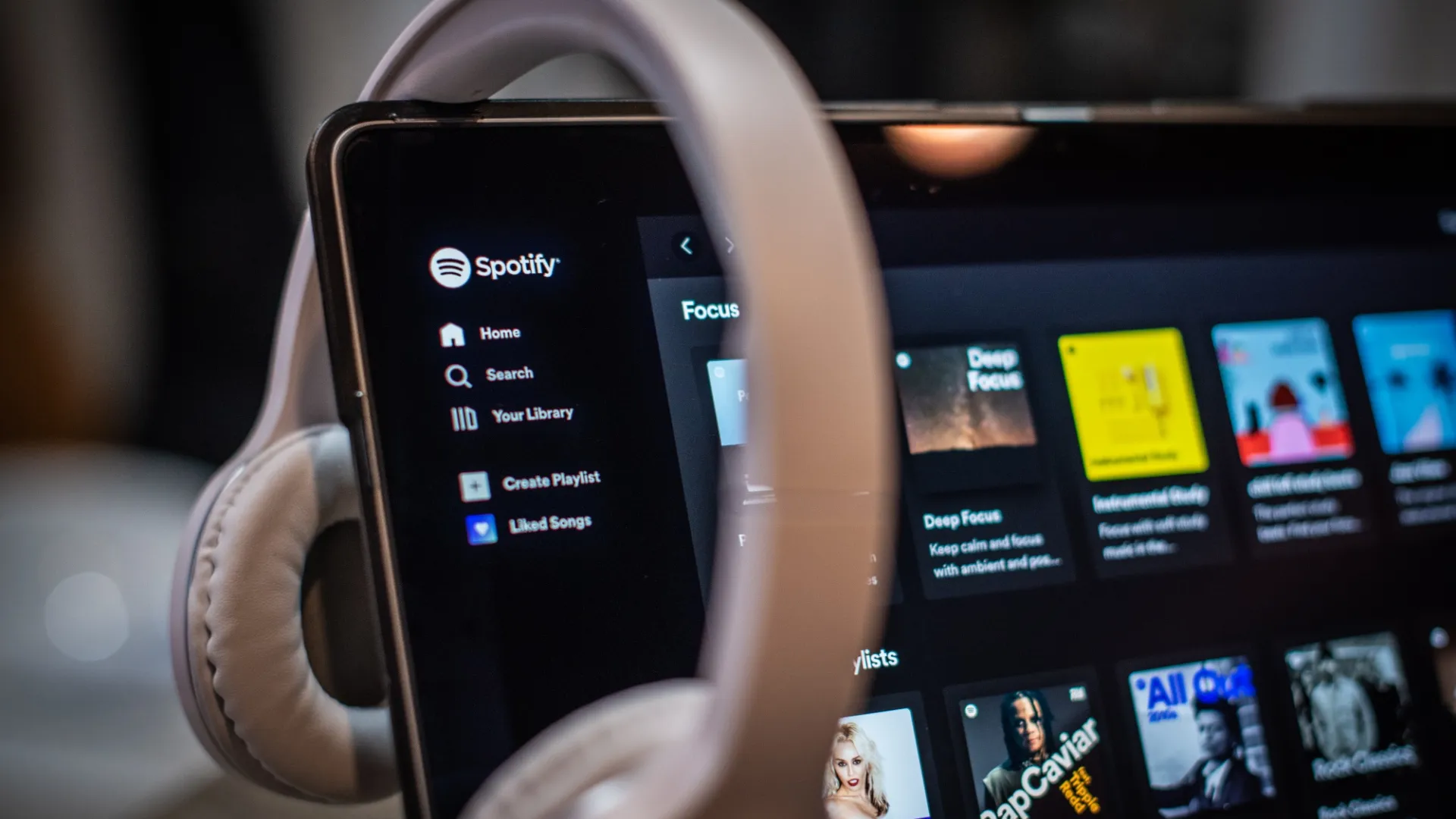
A pirate group claims to have scraped the world’s largest music streaming platform, with reports that the vast Spotify music catalog has been shared via torrent sites.
According to a post published by Anna’s Archive, a group known for archiving and redistributing copyrighted material, the collective has copied almost the entire Spotify archive and released it in torrent form.
Anna’s Archive says the data dump is about 300 TB in size and covers roughly 99.6% of Spotify streams. It reportedly contains metadata for around 256 million tracks, along with audio files for about 86 million songs.
The files are distributed through torrent bundles sorted by popularity and genre, effectively turning the archive into a free, well-organized music library that anyone can access worldwide.
READ: Spotify Now Lets You Sort Playlists by Mood with Smart Filters
Based on what has been reported, this was not a direct breach of Spotify’s internal systems. Instead, the data seems to have been scraped, meaning it was gradually collected by using accounts that took advantage of Spotify’s access features over an extended period of time.
At the heart of the controversy are two distinct elements. First is metadata, covering detailed information on tracks, artists, albums, genres, playlists, popularity rankings, and regional availability.
The other is the audio itself, comprising tens of millions of songs allegedly reconstructed or archived over an extended period.
While Spotify has not independently verified the scale or completeness of the archive, the claims alone have reignited broader concerns around platform security, digital rights enforcement, and the underlying fragility of streaming-based business models.
Spotify has acknowledged the incident and released a statement addressing it. The company said it identified and disabled the accounts involved in illegal data scraping and has added new protections to prevent similar copyright violations in the future.
“We’ve implemented new safeguards for these types of anti-copyright attacks and are actively monitoring for suspicious behavior. Since day one, we have stood with the artist community against piracy, and we are actively working with our industry partners to protect creators and defend their rights.”
Even without the full audio catalog, the metadata alone is worth a fortune. If someone grabs it, here’s what they can do, theoretically:
- Rebuild a competing music service: The metadata lays out the whole map: what’s in the library, what’s hot, how genres are sorted, and how people find new music.
- Reverse-engineer Spotify’s recommendation engine: If someone knows which tracks are popular, where they land in playlists, and how people are listening, they can figure out how Spotify keeps folks hooked.
- Undercut licensing negotiations: Right now, Spotify has an edge because it holds all the usage and popularity data. If that data leaks, labels and artists can negotiate harder, and Spotify’s leverage could weaken.
- Supercharge Music Piracy: With good metadata, it’s way easier to organize, find, and spread pirated tracks.
- Exploit regional licensing gaps: If you know exactly what’s available in each country, it’s easier for bad actors to target specific places.
For now, Spotify users appear to be unaffected. There is no sign that accounts, passwords, or personal data have been compromised, and the app continues to function normally, including playlists, downloads, and streaming quality.
This does not appear to be a typical consumer data breach, and users do not need to take any immediate action.
READ: Spotify v. Apple Music v. YouTube Music: Which Is Worth Your Money in 2025?
In its note, Anna’s Archive describes the release as an effort to preserve music rather than a service meant for everyday piracy. In the meantime, the collection is only available through torrents, though the group says it may allow individual file downloads if enough people show interest.
It has also asked supporters to donate and help seed the torrents, saying that broad public involvement is needed to protect what it sees as an important part of humanity’s musical heritage from being lost to disasters, wars, or institutional breakdowns.