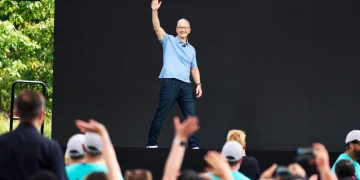








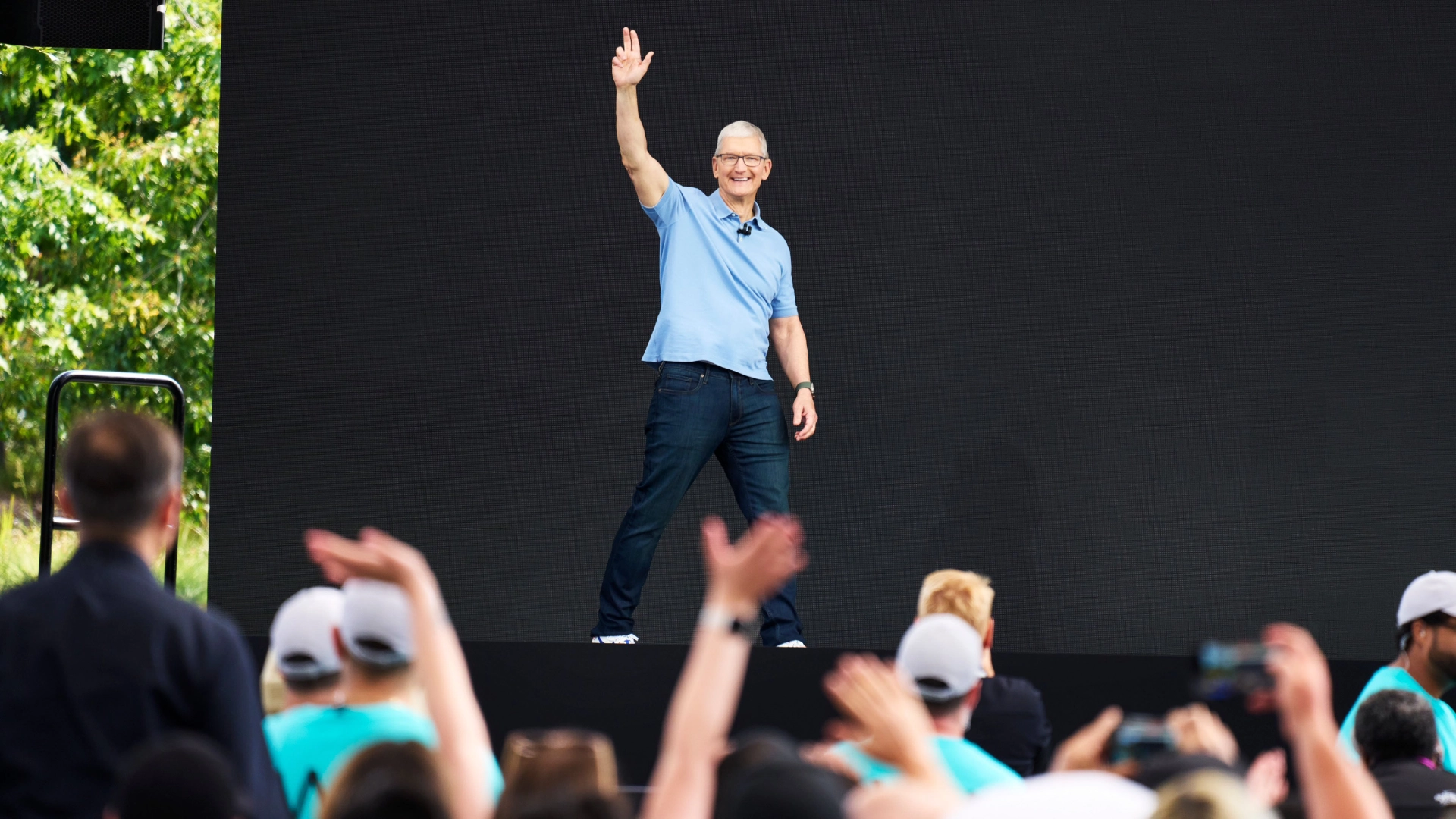
When Steve Jobs died on October 5, 2011, six weeks after formally handing the CEO title to Tim Cook, he left behind more than a company.
Jobs was the irreplaceable visionary who gave the world the Macintosh, the iPod, the iPhone, and the iPad. Products that did not merely succeed commercially but practically altered the shape of human life.
He was the showman in the black turtleneck who made a product launch feel like a sermon and stood at the intersection of technology and the liberal arts, and he was fully aware of it.
Then there was Tim Cook, a methodical, soft-spoken, supply-chain expert from Alabama who had spent his career making sure factories ran on time. The contrast could not have been sharper.
Industry watchers were generous with their skepticism, asking whether an operations man can lead a company built entirely on the electricity of invention.
Well, what followed was one of the most decisive answers in corporate history.
To understand Tim Cook, you first have to understand what Jobs built and why it mattered so much.
When Jobs returned to Apple in 1997, the company was weeks away from bankruptcy. He killed most of its product lines, focused the company on a handful of things, and then made those things feel like they had always been inevitable.
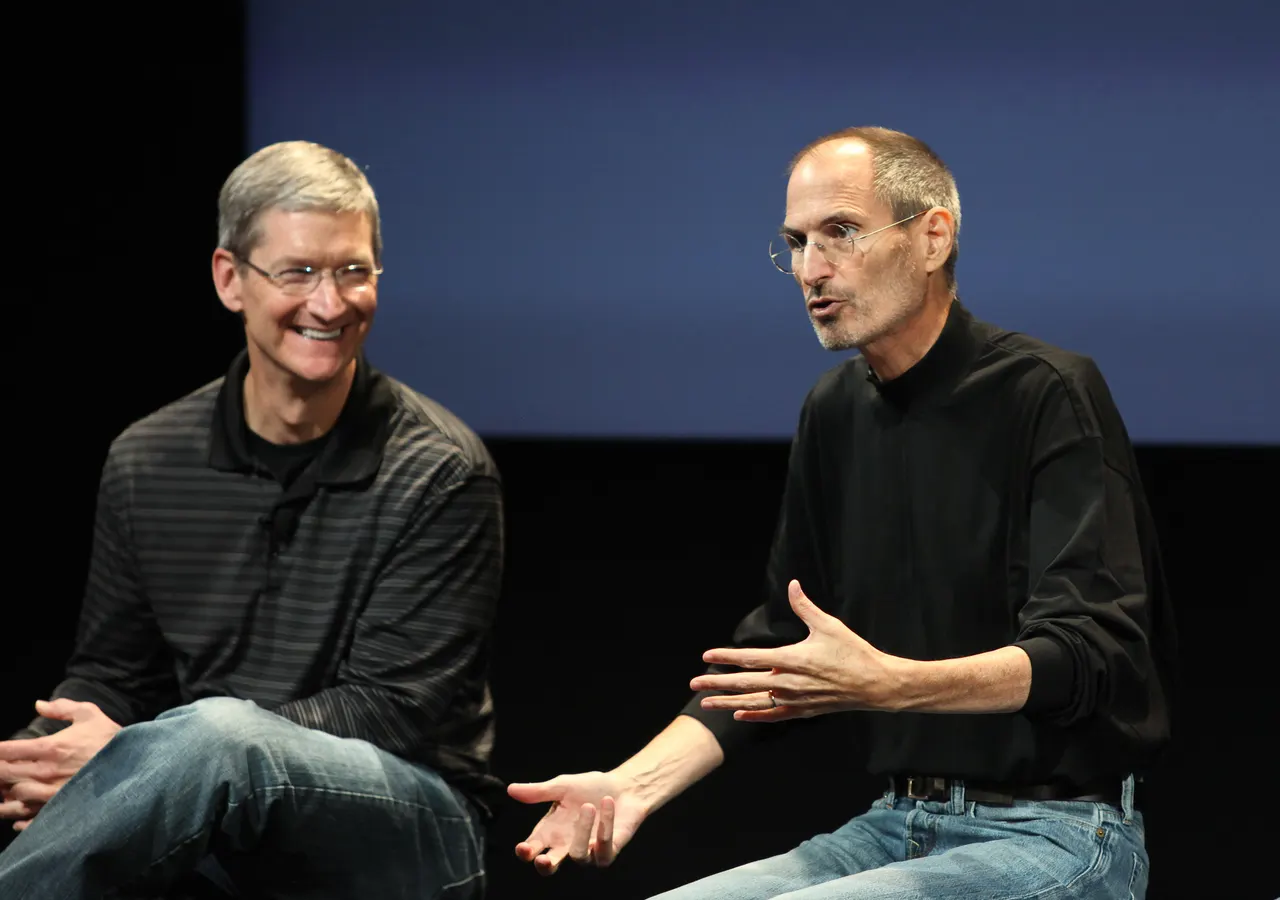
The original iMac in 1998 came in translucent Bondi Blue and looked like nothing else on the market. The iPod in 2001 put a thousand songs in your pocket and turned digital music from a niche hobby into a mass cultural movement.
The iTunes Store in 2003 rewired the entire music industry, but the greatest revolution came in January 2007, when Jobs held up a small rectangle of glass and aluminum at Macworld and said Apple was reinventing the phone. The iPhone.
This was not just a better phone; it was a new category of object, a computer that lived in your hand, connected to the internet, and did not require a manual to use.
By 2011, when Jobs died, it had already become the most profitable product in the history of consumer electronics. This is what Cook inherited, and what he did with it is the story of the last 15 years.
Cook’s 15 years produced a roughly 4x increase in revenue, from $110 billion to $416 billion; a 4x increase in profits; and a 10x increase in market capitalization from $350 billion to over $4 trillion.
He took one of the most valuable companies on earth and made it ten times more valuable. No single product innovation drove that. It was the compound effect of disciplined execution, strategic expansion, and the steady construction of an ecosystem that now touches nearly every aspect of daily life.
The iPhone Grew Up
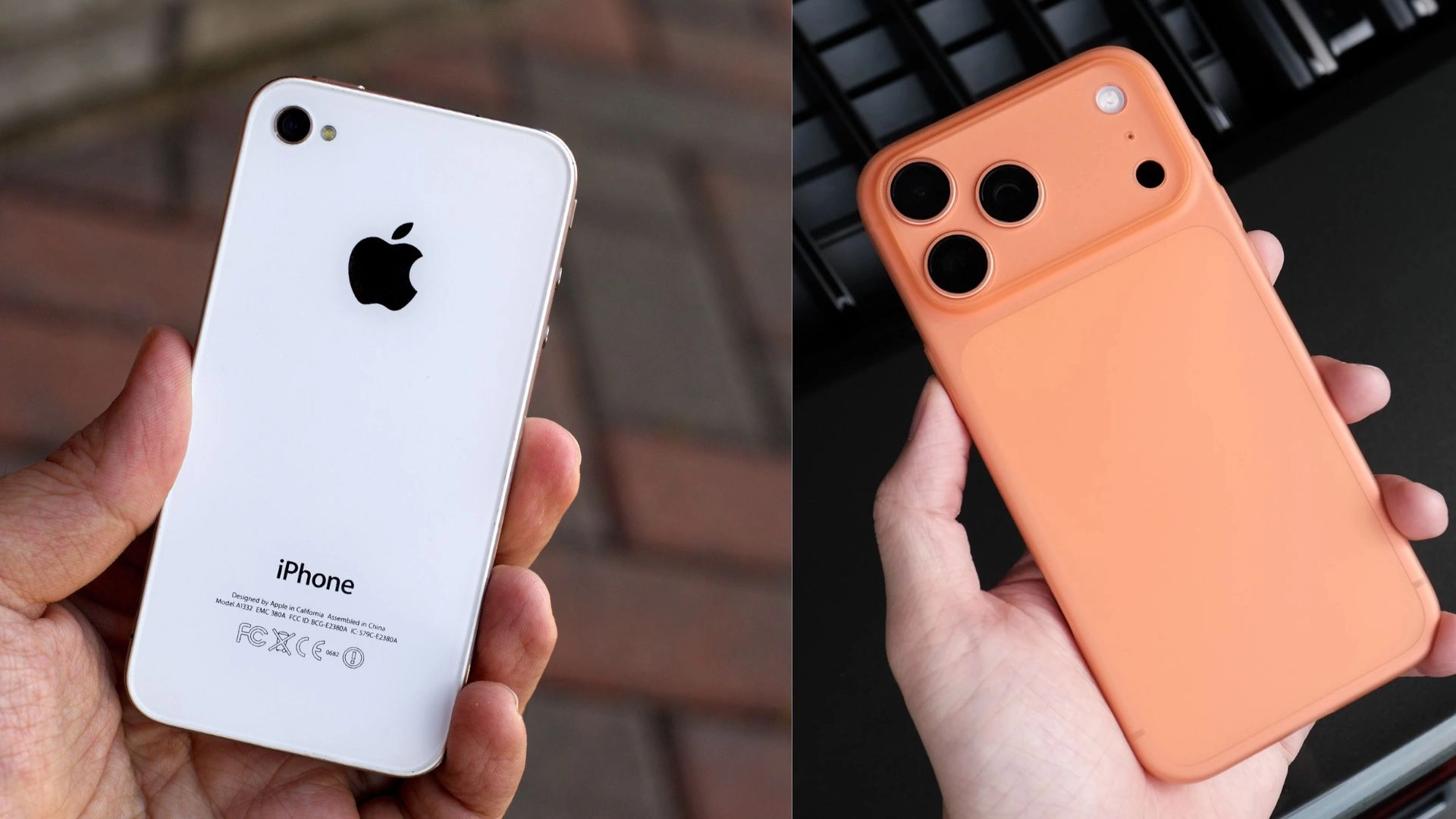
When Tim Cook became CEO, the iPhone 4 was the current model. More than a decade and a dozen generations later, the iPhone is something closer to infrastructure.
Touch ID replaced passcodes with fingerprints. Face ID, arriving with the iPhone X in 2017, eliminated the home button and pushed the display edge to edge in a design language that still defines smartphones today.
READ: Why Most People Don’t Need to Upgrade to the iPhone 17
Computational photography turned Apple’s camera into a creative tool, with portrait mode, night mode, and cinematic video putting capabilities once reserved for professionals into the hands of anyone.
By the time the iPhone 17 launched, the device was a health monitor, a payment terminal, a creative studio, a translator, and an AI interface. None of that is unique to Apple, but the iPhone remains the aspirational phone, and that is the whole point.
New Hardware, New Categories
Jobs left Cook one clear gap in the product line: wearables. Apple had computers, phones, tablets, and music players. It did not have anything on the body. Cook changed that.
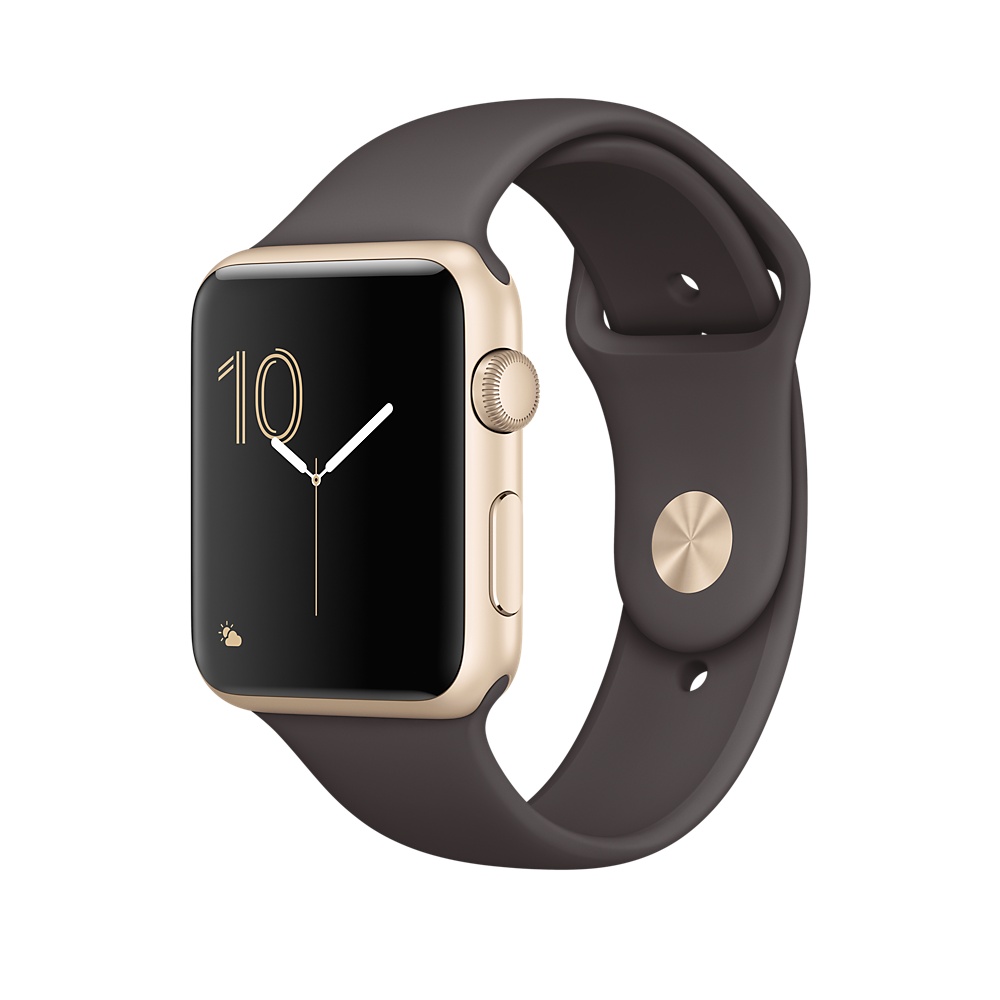
Cook’s tenure at Apple saw the launch of two major wearables: the Apple Watch and the AirPods.
The Apple Watch arrived in 2015 and was, at first, something of a search for purpose. Early reviewers found it clever but uncertain. Within a few years, that uncertainty resolved in the most consequential direction possible: health.
The Apple Watch became a medical device that millions of people wore willingly. It could detect atrial fibrillation, an irregular heartbeat that is a leading cause of stroke. It could take an electrocardiogram, detect falls, and automatically call emergency services.
It could measure blood oxygen saturation. Cook himself has spoken about receiving messages from people who said the Watch saved their lives.
AirPods, launched in 2016, were initially mocked for their distinctive protruding design. Within 2 years they were a cultural phenomenon and a status symbol.
They solved the wireless audio problem elegantly, paired almost instantaneously with Apple devices, and established a new product category that every audio brand in the world subsequently chased.
READ: What to Look For When Shopping for EarPods and AirPods
AirPods Pro brought active noise cancellation. AirPods Max extended the line into premium over-ear headphones. The product family became one of Apple’s most reliable revenue contributors.
Apple as Entertainment Empire
One of Cook’s most consequential strategic moves was the pivot to services. Apple had always sold hardware, and it had always charged premium prices for it.
The insight Cook and his team developed was that the same customers who bought the hardware would pay recurring fees for services that ran on it and that those services would deepen the attachment to the hardware in turn.
Cook successfully expanded Apple’s services sector, positioning the company in new markets through offerings like Apple Music, Apple TV+, and Apple Services.
Apple Music launched in 2015 and entered a streaming market already dominated by Spotify. It was not the market leader, but it did not need to be. It needed to be the option that iPhone users found easiest to choose, and for hundreds of millions of them, it was.
Apple’s integration advantages, Siri support, pre-installation on devices, and seamless sync across the ecosystem gave it a floor of subscribers that pure streaming companies could only envy.
Apple TV+ was a bolder move. In 2019, Apple entered Hollywood. The streaming wars were at their most intense, with Netflix, HBO, Amazon Prime Video, and Disney+ all competing for subscribers and content.
Apple came with a smaller library than anyone else and a determination to prioritize quality over quantity. The results were evident, with Ted Lasso becoming a cultural moment, Severance attracting critical acclaim and obsessive audiences, and CODA winning the Academy Award for Best Picture in 2022, making Apple the first streaming service to take home the top Oscar.
Cook’s Apple was not just in the entertainment business. It was producing the kind of work that made and changed conversations.
The broader services machine grew to include Apple Arcade for gaming, Apple News+ for journalism, Apple Fitness+ for workouts, Apple One as a bundle combining several subscriptions, and iCloud as the storage and sync backbone for the entire ecosystem.
Services became Apple’s fastest-growing business segment, contributing tens of billions of dollars annually and carrying margins that hardware, with its manufacturing costs, could not match.

The Controversies of Cook’s Apple
No tenure of 15 years at the world’s most scrutinized company is without turbulence.
The Apple Maps debacle of 2012 was his first major public stumble. Apple replaced Google Maps as the default navigation app on iOS with its own mapping product, which launched riddled with errors.
Businesses were placed in the wrong location, there were missing roads, and the satellite imagery was absurd.
Cook issued a public apology, pointing users to competitors’ apps while Apple fixed its own. Scott Forstall resigned as Senior Vice President of iOS following the poorly received launch of Apple Maps.
It was a leadership moment that showed Cook was willing to hold people accountable, including himself.
The FBI encryption battle of 2016 was a different kind of test entirely. Following the San Bernardino terrorist attack, the federal US government ordered Apple to create a version of iOS that would allow the FBI to unlock the attacker’s iPhone by brute force.
Cook refused, arguing that building such a backdoor would endanger the security of every iPhone user in the world, not just one phone. The confrontation became one of the most significant debates about privacy and state power in the digital age.
Cook held firm, and the FBI eventually withdrew the request after a third party found a way to unlock the device independently. Cook’s position made Apple the de facto champion of user privacy in an era when trust in technology companies was beginning to erode.
This was followed by a 180-degree shift with China. Cook personally negotiated a $275 billion deal with Chinese officials that paved the way for increased censorship by Apple in China, including the removal of certain content and the removal of apps used by pro-democracy protesters in Hong Kong.
Critics accused Apple of complicity in censorship, and he defended the decisions as necessary to remain operational in a market of more than a billion potential customers.
It was the sharpest tension of his tenure contrasting him as a CEO who had championed privacy and civil liberties in one country but appeared to compromise them in another.
Then there was the weird moment that briefly broke the internet in March 2019, when President Donald Trump, at a White House meeting, turned to Cook and said, “Tim Apple.”
Cook’s response was to change his display name on Twitter to his first name followed only by the Apple logo rendered invisibly.

The AI Problem He’s Leaving Behind
For all of Cook’s achievements, one shadow hangs over the transition: artificial intelligence. While Microsoft bet heavily on OpenAI, Google built Gemini, and Meta opened its models to the world, Apple moved cautiously. Maybe too cautiously.
Siri, the voice assistant that dazzled when it launched in 2011, grew incrementally while competitors’ AI products leapfrogged it.
Apple faced criticism from investors and technologists for a perceived lack of cutting-edge AI technology. That criticism grew after Apple delayed an upgrade to its Siri voice assistant.
In December 2025, Apple revamped its AI leadership, bringing in new talent from Google. The company has said it will launch an updated version of Siri based on a Gemini AI model this year at its Worldwide Developers Conference in June.
Apple Intelligence, the company’s branded suite of on-device AI features, has not yet achieved the cultural resonance that ChatGPT or Gemini have.
While competitors have led the market with generative AI, Apple’s Apple Intelligence is widely seen as trailing in both recognition and adoption. It is the most important unfinished business Cook is handing to his successor.
Enter John Ternus
John Ternus is not a new face parachuted in from outside. He is a 25-year Apple veteran who joined the product design team in 2001 and has been in the rooms where every major hardware decision of the last two decades was made.
He knows Apple’s manufacturing relationships, its design culture, and its particular way of thinking about the bond between hardware and software. That institutional depth is precisely what the board was betting on when it named him Cook’s successor.
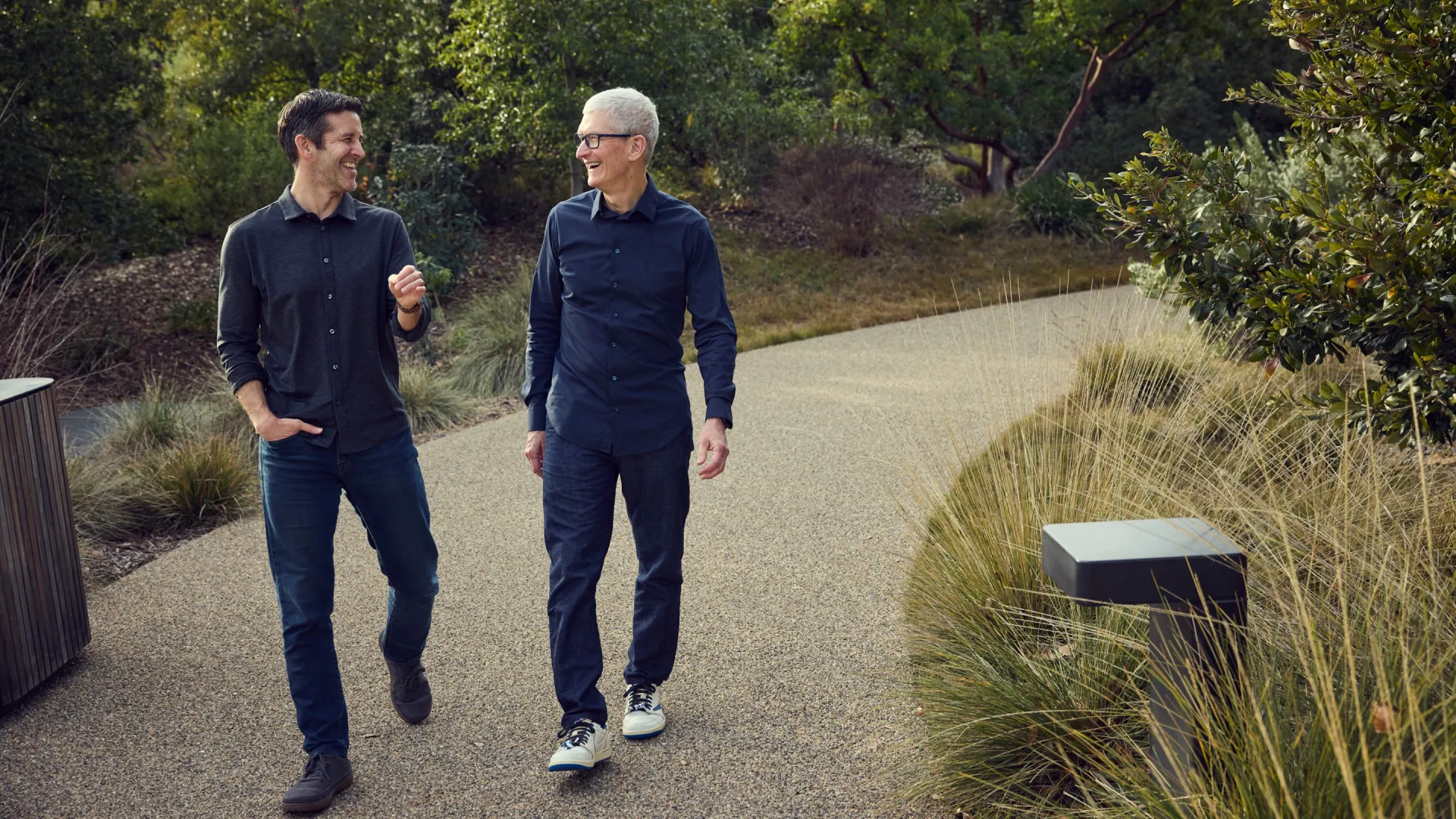
His challenge is not the hardware, where Apple remains the global benchmark. It is AI. In fact, nowhere in the CEO announcement did Apple mention AI. The sections on Ternus focused on product lines and engineering credentials, yet AI is the defining strategic question he inherits.
Analysts believe his engineering background signals Apple’s intent to win not by building the best models, but by building the best hardware for AI to live in, whether that is a phone, a watch, or whatever category comes next.
The harder question is whether Apple can pursue AI-driven personalization without dismantling the privacy commitments that made it trusted.
Cook built a business on the promise that Apple was different from Google and Meta. Ternus must decide how much of that promise survives contact with the AI era.
Tim Cook gave Apple 15 more years of life after Jobs. He turned a product company into a platform, an ecosystem, and eventually an institution. Steve Jobs gave the world objects it did not know it needed. Cook built the world those objects live in.
That is not a lesser achievement; it might, by some measures, be the greater one.