




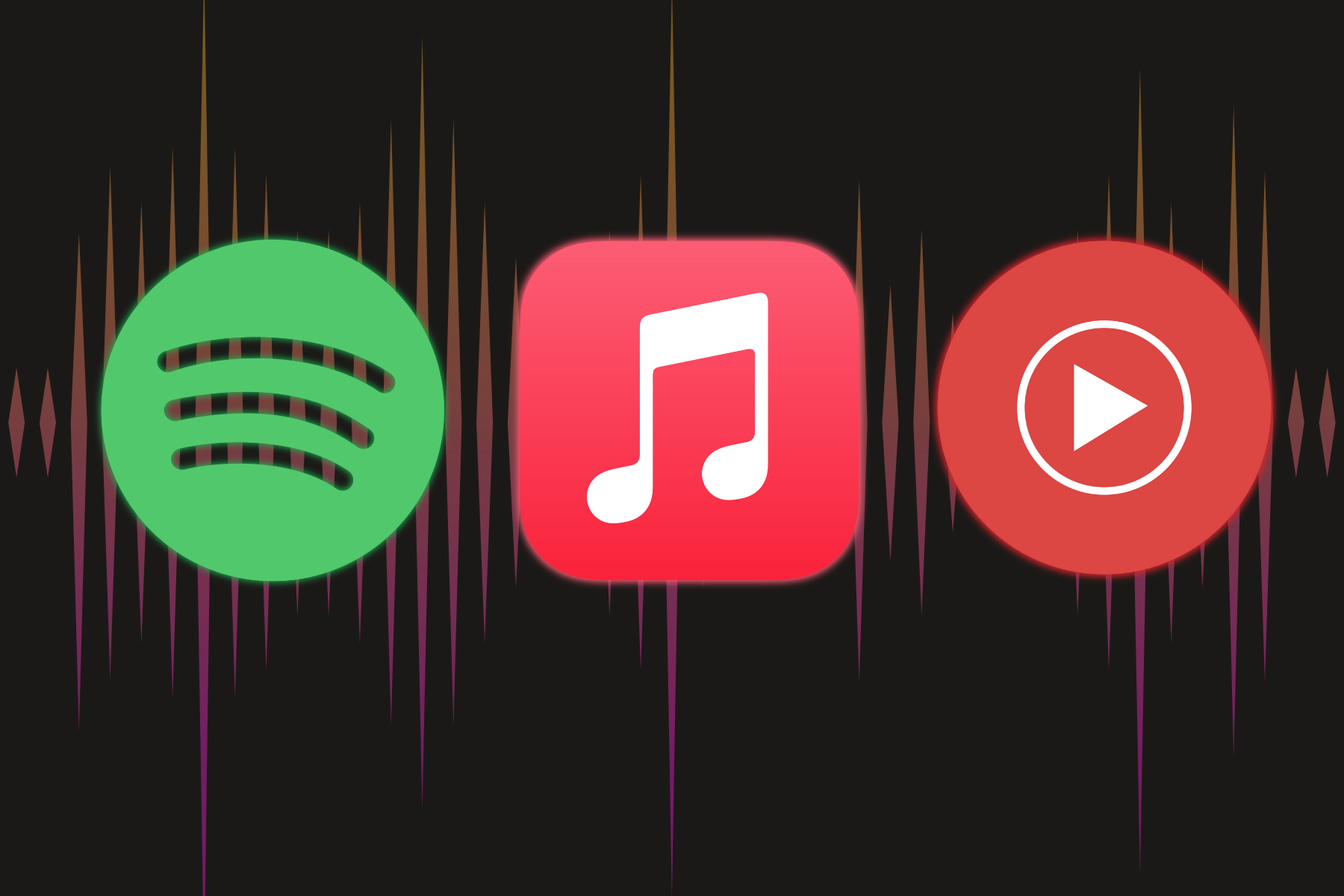
Music streaming is at an all-time high in 2025, and I think it’s safe to say that there is a lot of competition from the big three, who are now firmly established in the Kenyan market, with each offering a different user experience.
After Spotify recently announced an increase in prices, I thought it would be beneficial to compare YouTube Music, Spotify, and Apple Music to determine which is worth the monthly subscription fee.
Spotify
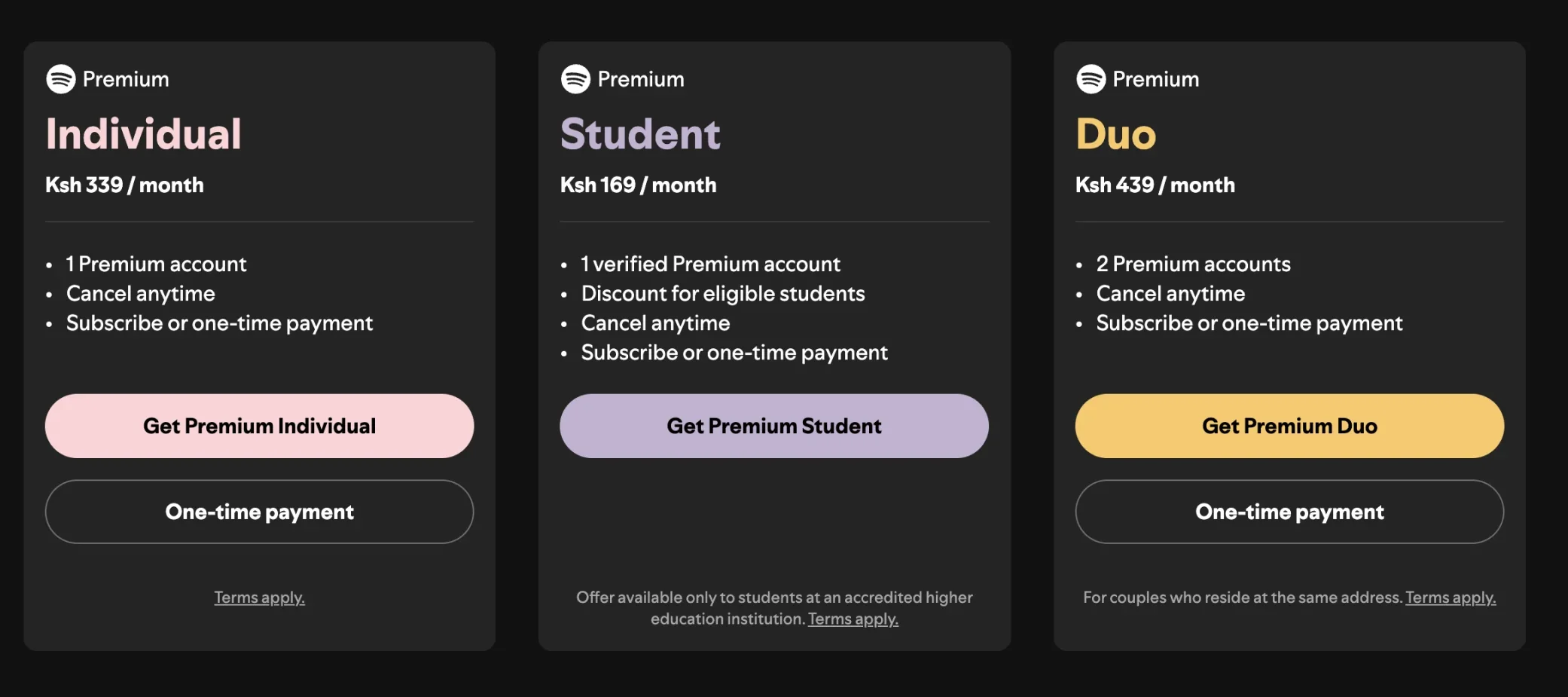
It does feel right to start with the music streaming platform that seems like the most common, not just globally but in Kenya as well.
So, what makes Spotify so popular despite the fact that it’s hiking its prices in such tough economic times and the growing scrutiny about its unethical practices towards the artists that make it what it is?
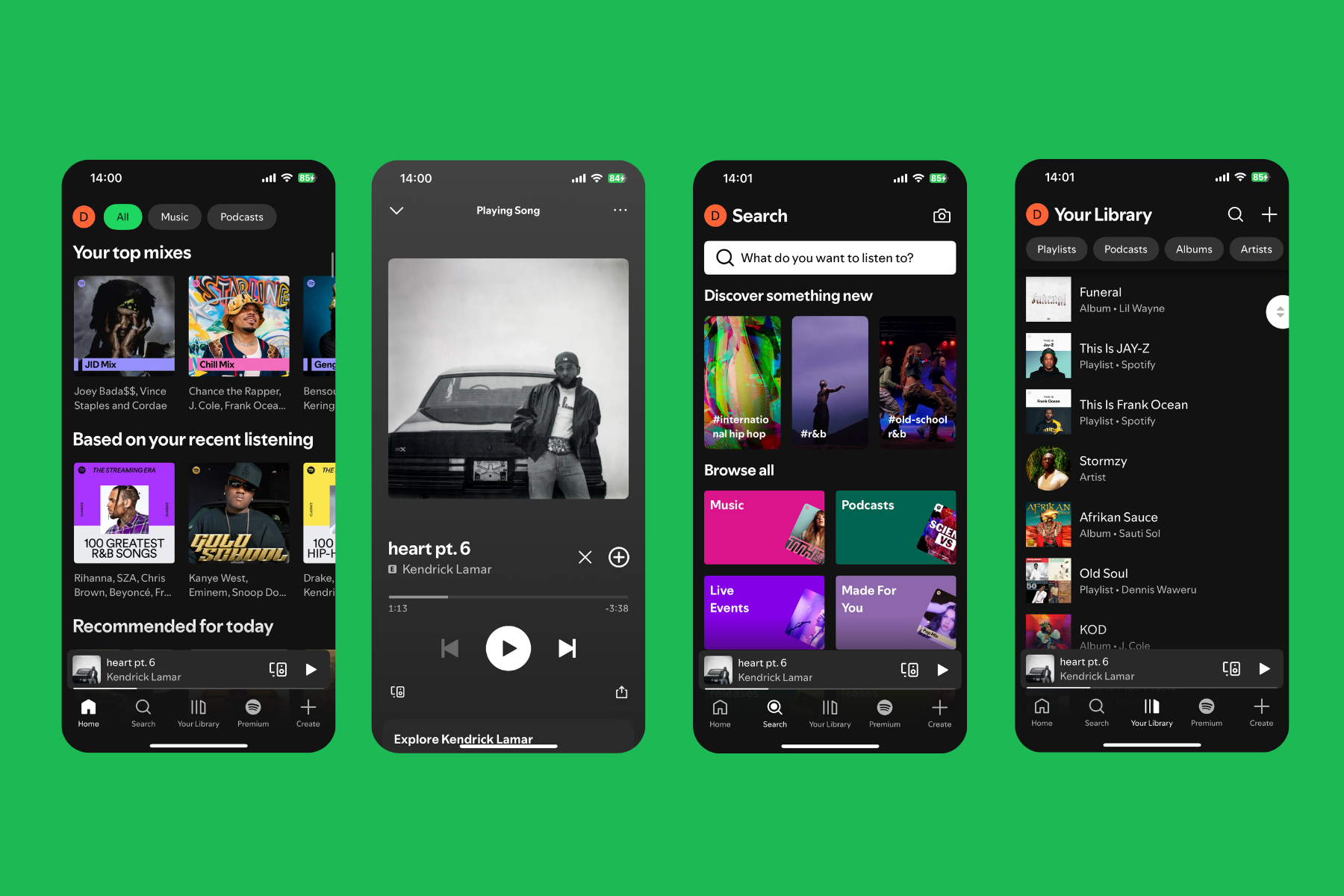
Well, it’s mostly about the prestige that comes with the name. That said, I have to admit Spotify offers one of the best user experiences in the industry. They’re constantly adding new features to make both the mobile and desktop apps more fun and easy to use.
From audio upgrades to new playback controls and sound enhancements, Daniel Ek’s platform always seems to have something fresh to offer.
One feature I’ve always found especially impressive about Spotify is how smoothly it works across phone and desktop. Switching between devices is quick and effortless, making it easy to pick up right where you left off no matter what you’re doing.
This seamless connectivity is still one of the biggest things that sets Spotify apart from the competition, and a key reason I think it’s worth the money.
One of its biggest downsides, which seems to be getting worse over time, is the algorithm. It’s making it harder and harder to discover new music.
As an audiophile who enjoys exploring beats and genres beyond my usual playlists, I often find myself stuck listening to the same tracks. That might be fine for someone who prefers familiarity, but for me, it gets boring after a while.
AI DJ, for example, became a major turn-off nearly a year ago because it kept playing the same songs, leaving me to manually search for new playlists to enjoy.
Spotify’s audio quality is still among the best, though not quite the very best, as most tracks still have some compression. However, the lows and mids are rich and clear, making it enjoyable even without a high-quality speaker, which is a big plus.
Apple Music
I can safely say Apple Music holds a special place in my heart because it was the first streaming service I ever subscribed to without needing a VPN, back when the other two weren’t officially available in Kenya. That’s still a big plus for me.
I’m still a bit disappointed by how easily I was able to move on to other streaming apps, and after years of exploring, I understand why. Apple doesn’t seem to treat music streaming as a top priority in its development.
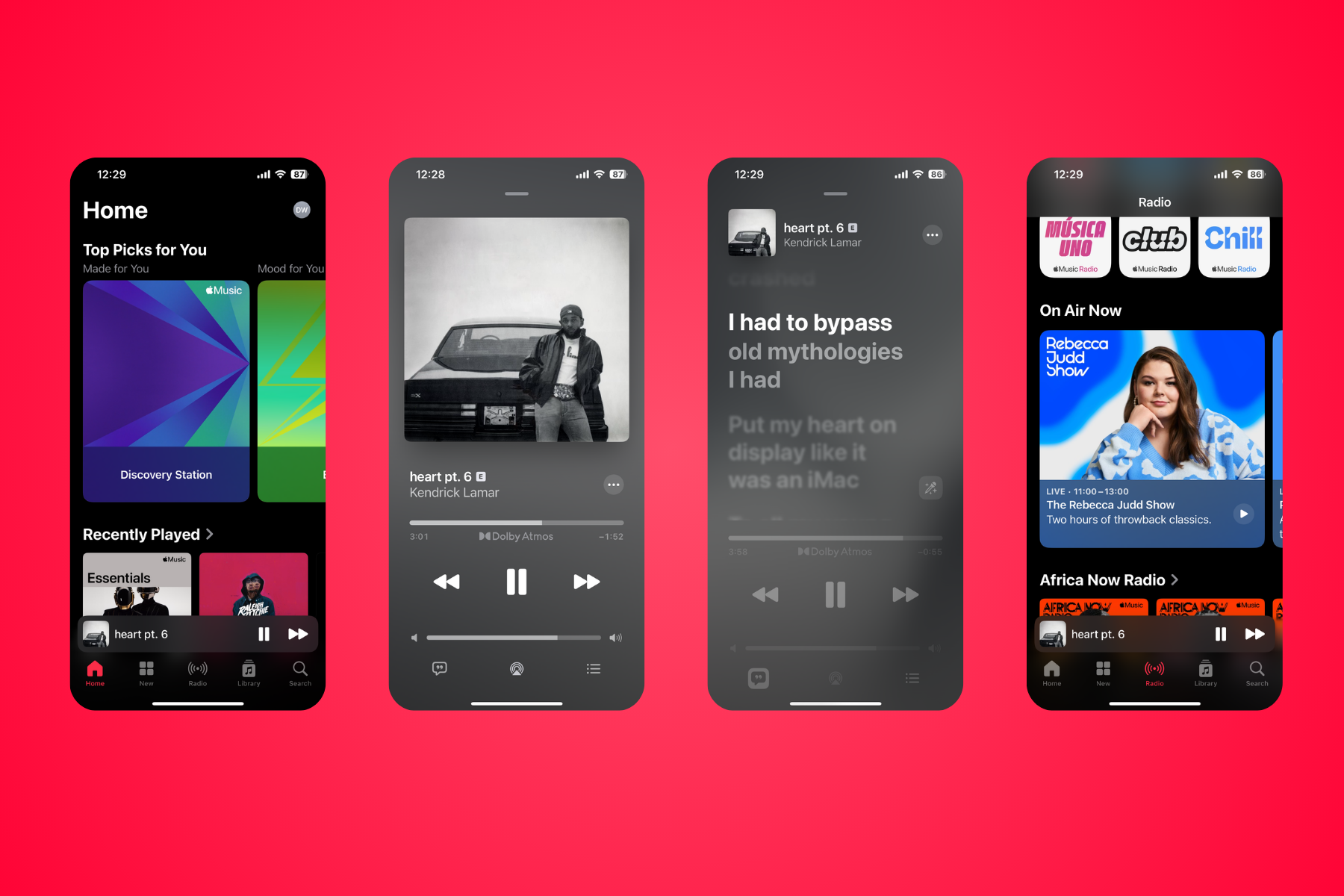
Compared to Spotify, Apple Music often feels far behind when it comes to introducing new playback options or smarter algorithms. Over time, this makes the user experience feel stale, as if you’re using the exact same app for years before anything truly new appears.
That consistency might appeal to people who dislike change, but for others, it can feel dull. To be fair, Apple Music has made some nice improvements, like the “Sing Along” feature that lets you remove vocals, and its lyrics page is still one of the most visually appealing out there. But in the end, it’s not quite enough to keep things exciting.
Apple Music’s music discovery is better than Spotify’s, as you can clearly see the algorithm suggesting fresh tracks while you browse through its Radio playlists.
However, the real standout feature is its audio quality. This might be thanks to Apple’s expertise in sound engineering for its headphones, but in my experience, Apple Music still delivers the best sound quality in the industry. It nails the balance between lows, mids, and highs perfectly.
The experience gets even better with Spatial Audio powered by Dolby Atmos, something other platforms (looking at you, Spotify) are still slow to roll out. If you want your Afrobeats or Hip-Hop tracks with almost zero compression, Apple Music is an easy recommendation.

YouTube Music
This is likely the newest platform I’ve been exploring, which explains why I’ve been using it daily for the past couple of months. But there’s more to it than that.
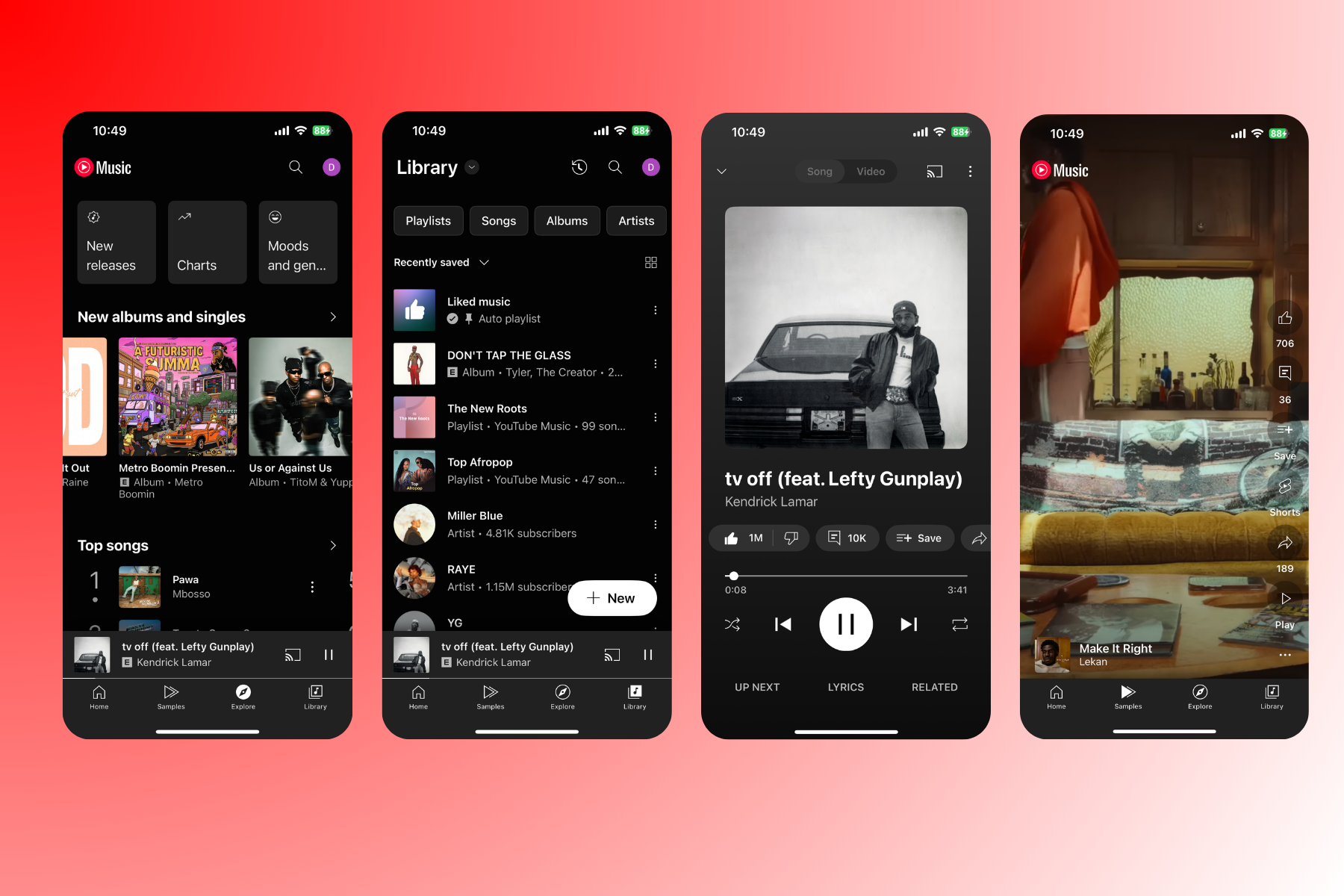
I would describe YouTube Music as the perfect balance between Apple Music and Spotify. And before you get your pickets out, hear me out.
When it comes to the general subscription package, this is the best option with the most value. It’s included as part of YouTube Premium, which costs about KES 499 per month for the Individual plan.
If you want your daily music along with an ad-free YouTube experience, this subscription has you covered.
In terms of user experience, I find it the easiest to use, though not quite as fun as Spotify. You get plenty of useful playback controls, more than Apple Music offers, but the interface isn’t updated as frequently as Spotify’s.
I actually like that, since it keeps things fresh without feeling overwhelming, which Spotify’s constant changes can sometimes do.
For discovering new music, YouTube Music has the best algorithm I’ve tried. It adapts quickly to any new genres or playlists I explore without trapping me in a loop.
If I listen to soul music today, I’ll get related recommendations the next morning, but I’ll still see music from the other genres I was enjoying before.
Audio quality isn’t the highest in the market, but it’s less compressed than some competitors. I’ve heard people complain about issues when connected to car speakers, but I’ve never experienced that myself.
For KES 499, it really comes down to whether you want the complete package or if you’d prefer an alternative that focuses purely on music quality.

Generally, it’s all about which platform gives you the biggest list of pros against its cons. Do you prefer interface and fun features, audio quality or just a good algorithm that gets you to explore new music as you work or travel daily