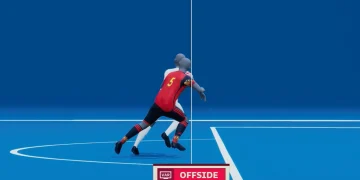





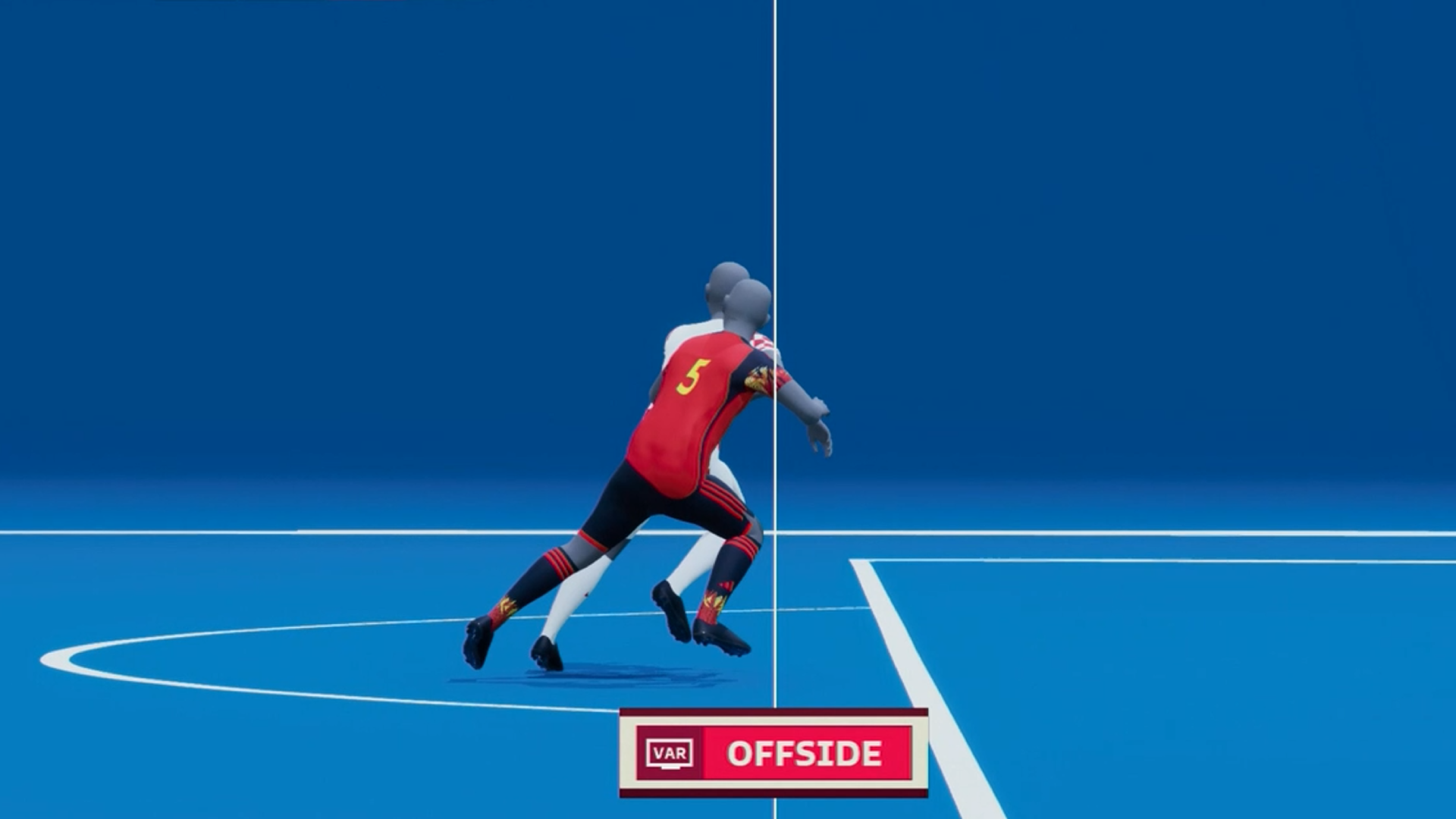
If you thought VAR was controversial, wait until the 2026 FIFA World Cup introduces a football that can talk to referees, AI avatars that replicate real players, and sensors that track every touch, no matter the speed.
The simple match ball is no longer just leather and air. It’s becoming a data device, and at the upcoming World Cup that will be hosted in the US, Mexico, and Canada, it could be the most important piece of technology on the pitch.
The last time the World Cup tried to teach football new tricks, it did so quietly, with a sensor hidden inside a ball and a camera network watching every player’s limb.
Remember the now-legendary moment when Varane’s bum kept Lautaro Martinez onside in the lead-up to Lionel Messi’s goal in the 2022 World Cup final?
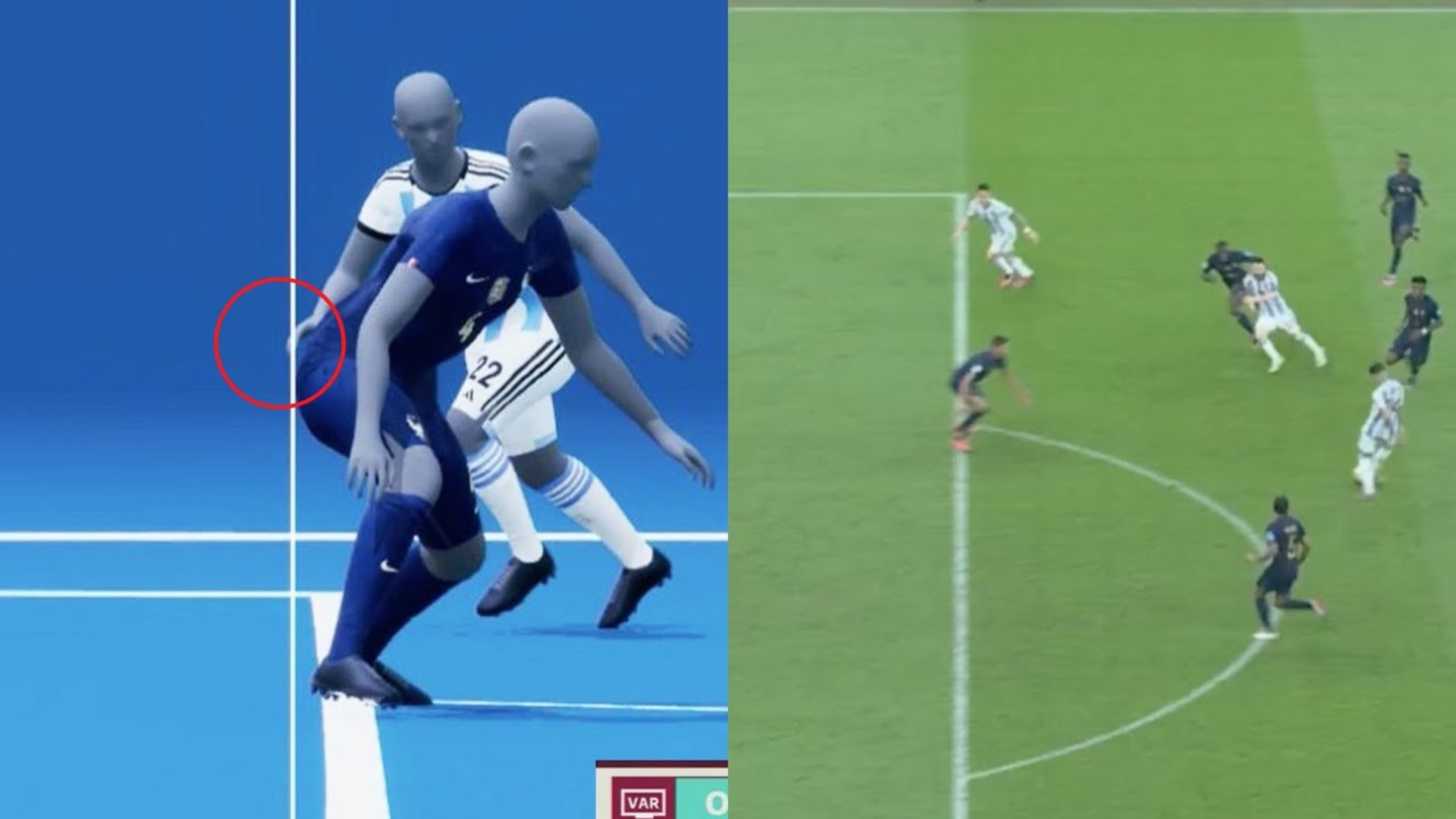
That controversial decision in the most important game of the tournament has become the perfect symbol of football’s new era: the age where goals are decided not just by defenders and strikers, but by algorithms and microchips.
It was funny (depending on which side you were supporting that day). It was controversial and unforgettable. Most importantly, it was only the beginning. Because for 2026, FIFA is coming back with upgrades. Bigger ones. Smarter ones. Louder ones. I won’t say better yet because only time will tell.
READ: Why Football Fans Are Cancelling Their 2026 World Cup Tickets
Qatar 2022 was FIFA’s first real shot at “connected football.” Inside the Adidas Al Rihla ball, a tiny sensor sent movement data 500 times a second to the officials.
The stadium cameras tracked every player in real time. Combine that with stadium cameras tracking players’ limbs in real time, and FIFA introducing what it called Semi-Automated Offside Technology (SAOT).
It sped up decisions and took some guesswork out of the tightest calls, even though fans still found plenty to shout about. But for FIFA, that was just version 1.0. Now, they’re building a whole AI-powered officiating setup around it.
The new ball, called Trionda, will have even better sensors and stability. In simpler terms: it will pick up touches with more accuracy, send data to VAR systems even faster, and sync up with the cameras more smoothly.
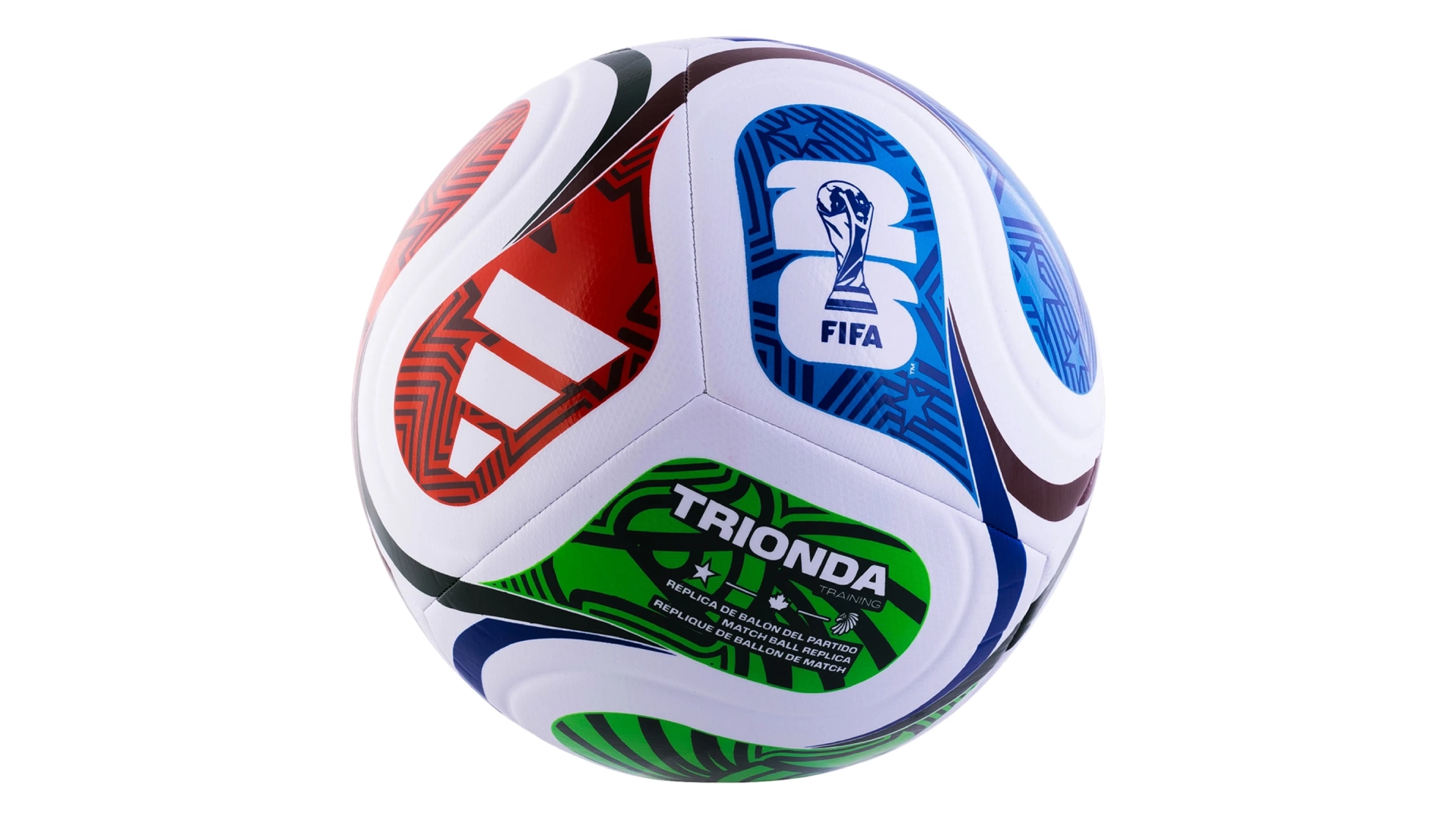
Every tap, flick, header, and long pass will generate live positional data that feeds directly into decision-making systems. The ball won’t just “know” when it’s kicked. It will know how, when, and where.
That’s not even the wildest part. For 2026 World Cup, FIFA’s taking a page out of the gaming world and building 3D AI avatars for every player. Before the tournament, players will be digitally scanned to create precise body models.
READ: Football Meets AI as Microsoft Joins Forces with the EPL
So why does this actually matter? Right now, offside technology relies on estimating the player’s body shapes from camera angles. AI avatars allow the system to accurately model limb length and posture, predict hidden body positions in crowded scenes, and improve visual reconstructions of tight calls.
With the proposed integrations, VAR will have the ability to match what happens on the field with a player’s digital twin, building a virtual version of the game that’s sharper and more dynamic than ever. Think of it as FIFA running a live simulation right on top of the real match.
We can’t predict how that will affect decisions that either help a team progress to the next stage or doom it to exit the tournament in tears, but we’re certain fans will have a lot to say about it.