





As the 2026 FIFA World Cup approaches, one strange trend making headlines is the ‘cancellation’ of World Cup tickets by fans.
Social media has been full of reports that tens of thousands of ticket holders are canceling their plans to attend the event, spreading under the hashtag #BoycottWorldCup.
Although FIFA has not confirmed it, the situation is more complicated than it seems. It involves a mix of political protest, safety concerns, frustration over high ticket prices, and dissatisfaction with how the event has been managed.
The Politics Behind the Headlines
One of the main reasons fans who planned to attend the 2026 World Cup may decide not to go is the political and human rights concerns associated with the U.S., which will co-host the event with Canada and Mexico.
Under Trump’s administration, several travel bans and visa restrictions have made people from various countries, particularly in Africa, unsure whether they can attend matches in the U.S.
READ: Kenyans Must Submit Their Social Media Accounts to Get US Visa
Recent reports show that fans from Senegal, Ivory Coast, and other countries are frustrated over travel bans that could prevent them from attending matches in the U.S., even though their teams have qualified.
Many supporters see these measures not just as administrative rules but as political statements that go against the inclusive spirit of the World Cup.
Some fans have even considered withdrawing from the tournament in protest, citing what they view as exclusionary and xenophobic immigration policies.
This issue has gained attention on social media, with viral posts claiming that mass ticket cancellations are part of a larger protest against an “unsafe and unwelcoming” environment.
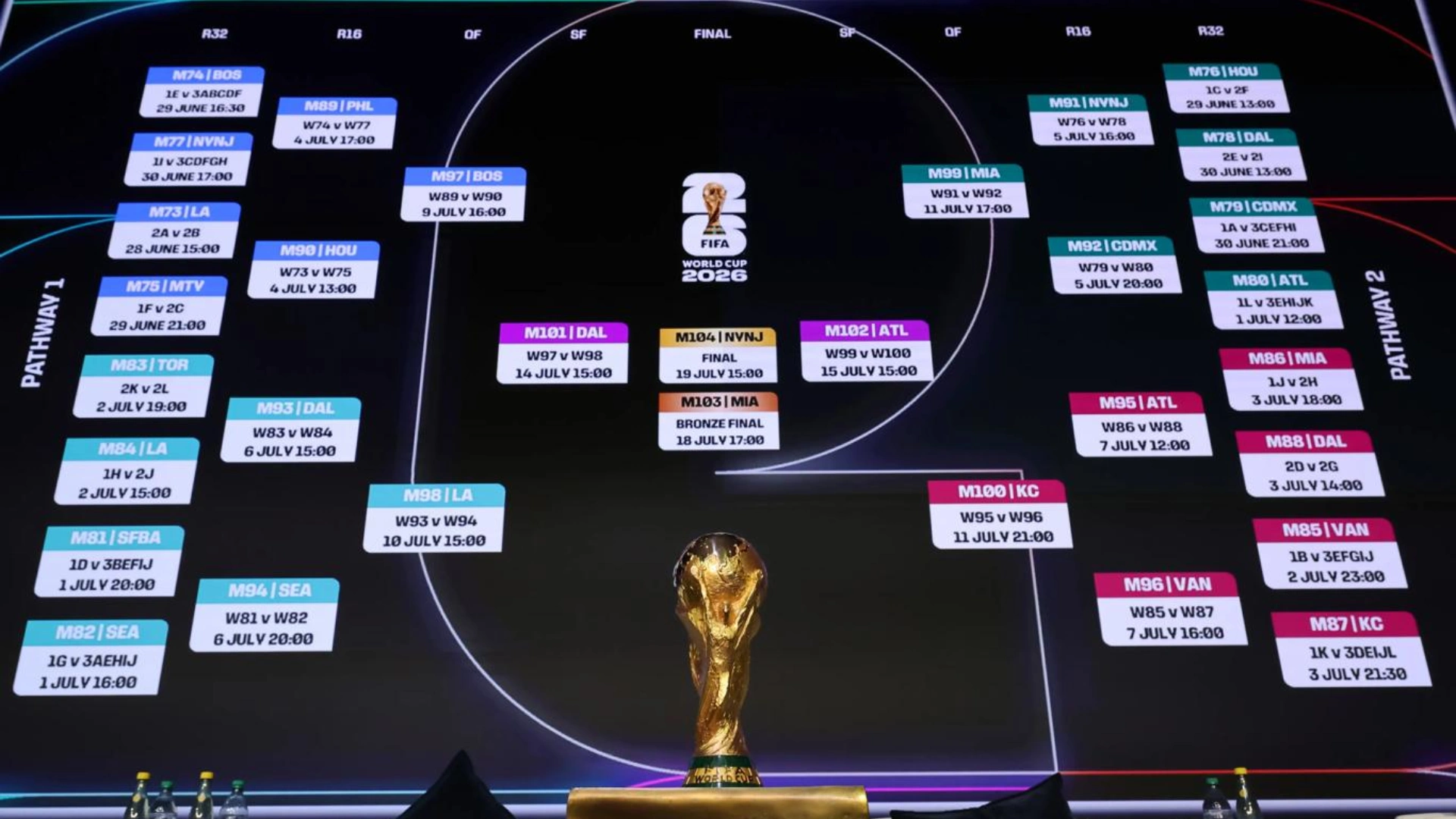
However, independent fact-checkers have noted that certain claims, such as nearly 17,000 tickets being canceled overnight, remain unverified.
Safety Concerns and Perceived Risks
Beyond geopolitical grievances, some fans said they had safety concerns about traveling to the United States for matches. Incidents of U.S. immigration enforcement and racial profiling have been cited in discussions online as a reason to reconsider travel plans.
These fears are linked to bigger worries about policing and security at big events, but however subjective such concerns may be, they still contribute to why some fans are having second thoughts about their World Cup trips, particularly in the U.S.
The Economics of Attendance: Ticket Prices and Fan Backlash
Perhaps the most tangible source of discontent is the cost of the World Cup tickets themselves. For the 2026 tournament, FIFA’s pricing structure has set off widespread criticism from fans and supporters’ organizations alike.
Ticket prices for the knockout rounds have risen sharply. The confirmed prices show that the cheapest tickets for the final in New Jersey start at about $4,185 (~ KES 541,000), while the most expensive go up to around $8,680 (~ KES 1.1 million).
These prices have been described by supporter groups, such as Football Supporters Europe, as “extortionate” and a “monumental betrayal” of the World Cup’s tradition of accessibility for everyday fans.
Criticism mounted when reports emerged that the tickets most loyal supporters usually receive through national associations were being offered at higher price tiers and that lower-priced category seats were limited.
Although FIFA later offered a small number of tickets for as low as $60 (~ KES 7,700) after facing backlash, many commentators argue that the overall pricing makes attending the event unaffordable for a large part of the global football community.
Cancellation ≠ Refund
An important piece of context is that FIFA maintains a strict no-cancellation and no-refund policy on sold World Cup tickets. Fans cannot simply return tickets once purchased.
Therefore, the ‘cancellations’ being discussed likely refer to fans abandoning their plans to participate in ticket lotteries or choosing not to complete purchases during the scheduled third phase of sales, which includes the random draw and allocation through member organizations.
In other words, the reported cancellations are actually fans choosing not to buy tickets during the most recent sales period.
For context, the 2026 World Cup will be the first ever hosted across three countries, which adds extra challenges and costs for traveling fans.
They will need to deal with multiple international borders, find accommodation in high-demand cities, and manage huge travel expenses on top of already expensive tickets.
To make things worse, fan zones in host cities will start charging admission fees, another departure from tradition that has left some supporters questioning the commercial direction of the event.