




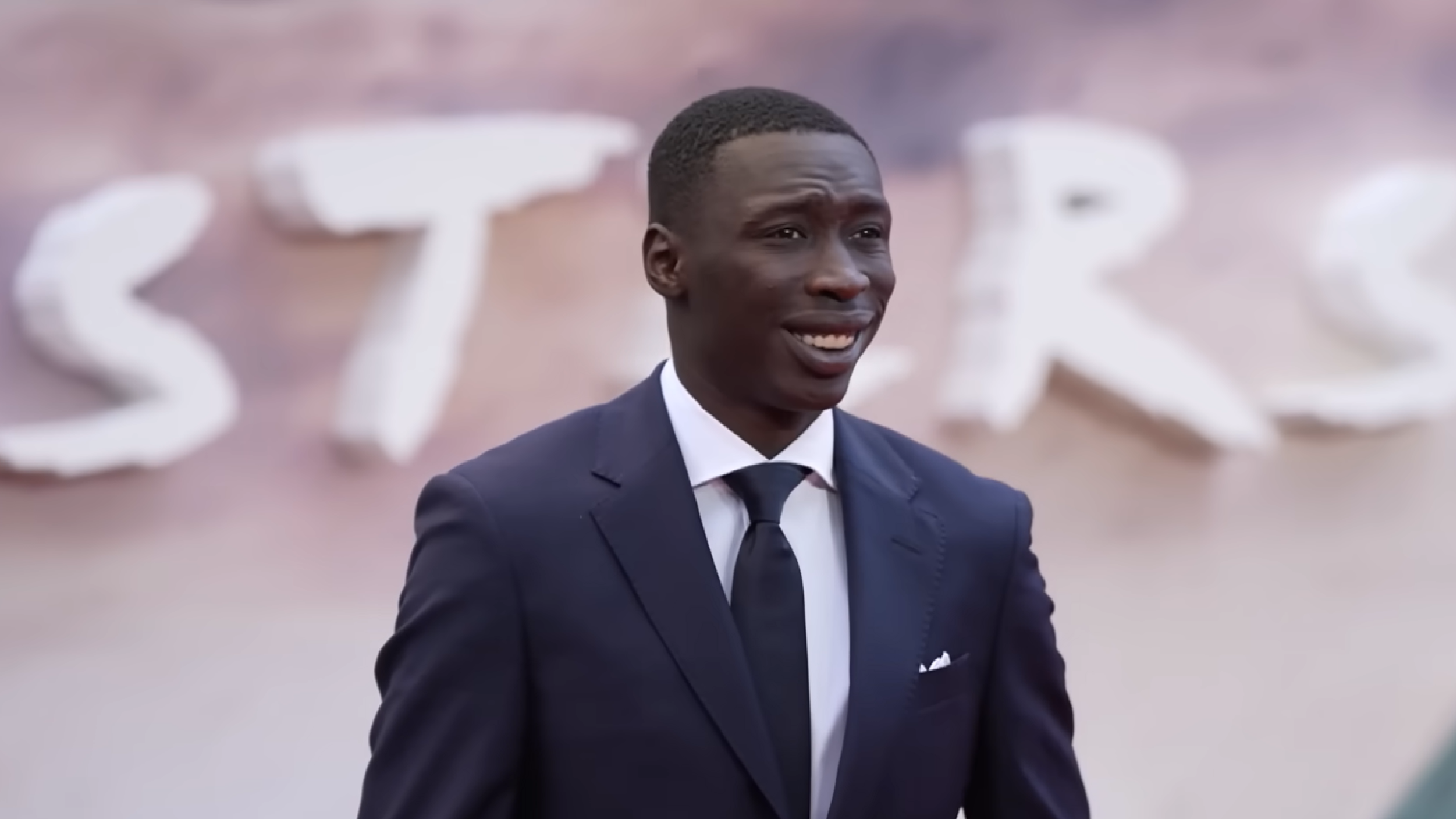
Senegalese-Italian TikTok creator Khaby Lame has closed a commercial deal worth around $900 million by selling a major stake in his company, Step Distinctive Limited, to Rich Sparkle Holdings, a publicly traded firm.
Rich Sparkle Holdings will gain exclusive commercial rights to the Khaby Lame brand, while he will be a controlling shareholder in Rich Sparkle Holdings.
Beyond the headline, the transaction highlights how the creator economy is starting to look less like pure marketing and more like business ownership. This has implications for content creators, artists, influencers, and digital entrepreneurs worldwide.
Khaby Lame rose to fame by posting simple content to building a large global following — without speaking a word. His appeal has often been credited to relatability and simplicity, allowing his content to travel across languages and cultures. That audience was the foundation of his business.
READ: TikTok Finally Gets the New American Owners Trump Wanted
The acquisition gives Rich Sparkle exclusive rights to commercially manage the Khaby Lame brand for a 36-month period. This means it can monetize the brand’s reach through endorsements, merchandising, and other commercial activities. Even AI-driven content.
Most digital creators have traditionally monetized audiences primarily through brand partnerships and sponsored posts, with earnings tied to impressions and engagement. Khaby’s deal is not just about being paid for a post; it’s about turning influence into an operating business that scales.
It mirrors a growing trend seen among creators, like MrBeast and Grace Beverly, who have experimented with ownership stakes in products and businesses built around their audiences.
READ: Government to Spend KES 100M Yearly on Paid Online Influencers
For creators whose monetization is often constrained by platform algorithms, payment infrastructure, and smaller local advertising market, this suggests that there are other ways to make money from attention.
It points to models that combine audience, brand intellectual property, and partnerships into businesses that can attract investment and grow independently of individual platforms.
Khaby’s journey showcases the potential, but not necessarily the typical path, for digital creatives. Most creators don’t have millions of followers or access to large global markets like the U.S. This deal could be an outlier.
Still, it raises important questions. How can local creators be better supported to scale globally? What kinds of partnerships or policies would help retain more value locally as digital talent grows?