




Kenyans charged up 8.4 million kilowatt-hours of electricity to power electric vehicles in 2025, nearly triple the 2.9 million kWh consumed the previous year. The 188% surge indicates that electric motorcycles, bikes, and cars are moving from novelty to mainstream transport options.
Kenya Power, the country’s electricity distributor, saw revenues from EV charging climb to KES 191 million last year, up from KES 65 million in 2024.
The company now serves 205 customers on its dedicated e-mobility tariff, which charges KES 16 per unit during peak hours and KES 8 during off-peak times, rates introduced in March 2023 specifically to encourage electric vehicle adoption.
On February 3, Kenya launched its National Electric Mobility Policy, backed by tax breaks that eliminate VAT on electric buses, motorcycles, bicycles, and lithium-ion batteries. Excise duty on e-bikes, e-motorcycles, and batteries also dropped to zero.
Kenya Power’s CEO, Dr. Joseph Siror, highlighted that over 90% of the electricity the company distributes already comes from renewable sources, making the shift to electric transport a natural extension of the country’s green energy strategy.
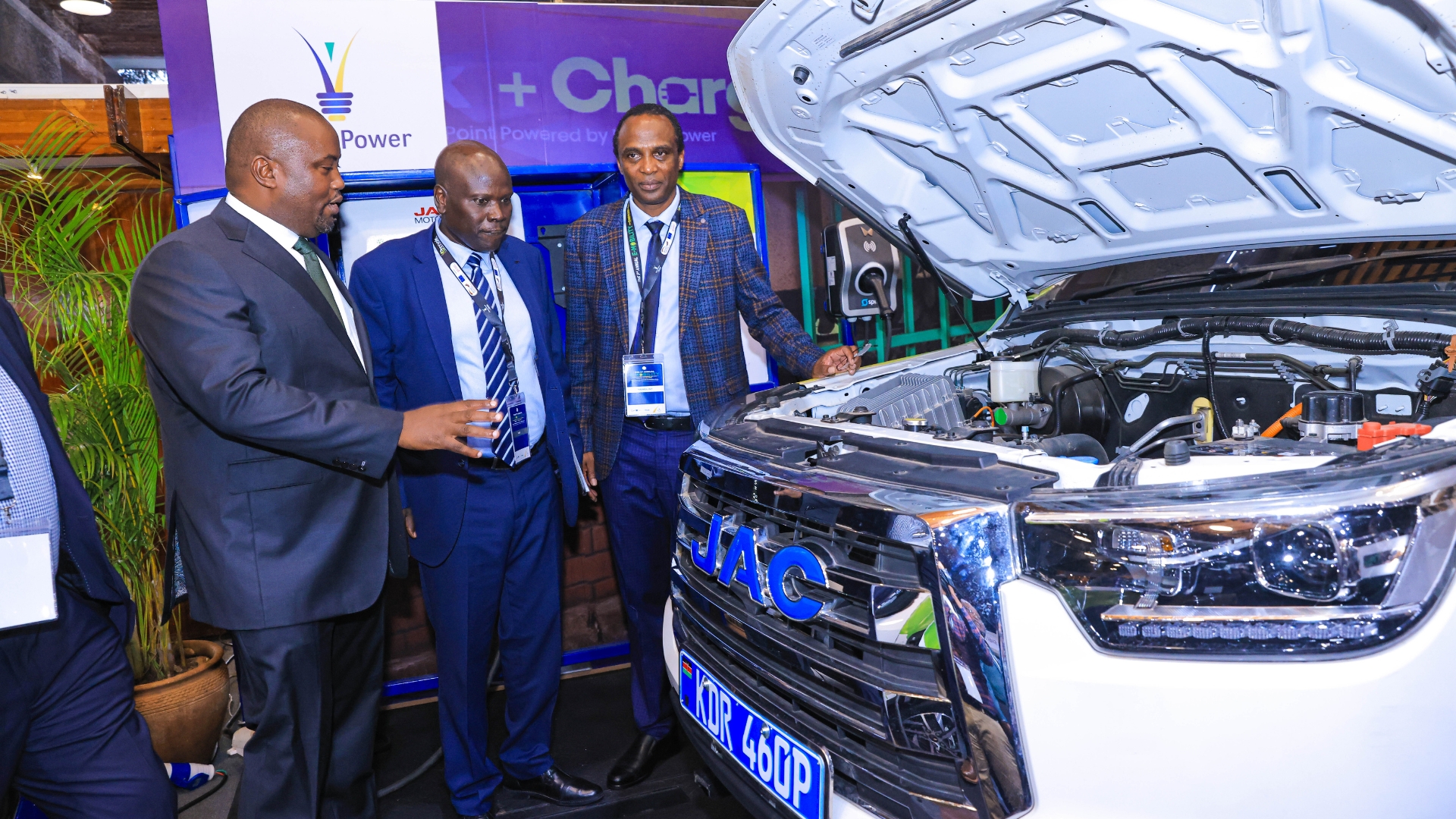
The utility has installed five EV charging stations at its facilities in Nairobi, Ruaraka, Donholm, and Ragati, with more planned for Mombasa, Nyeri, Nakuru, Eldoret, and Voi.
As of 2025, Kenya had registered over 35,000 electric vehicles, predominantly two-wheelers like motorcycles and bicycles. These vehicles have proven particularly popular for delivery services and urban commuting.
Kenya Power itself operates 11 electric vehicles and 30 electric bikes, with plans to expand to 20 EVs and 100 e-bikes by the end of 2026.
The charging stations serve a dual purpose beyond simply powering vehicles since they also collect usage data that helps Kenya Power plan infrastructure upgrades and anticipate electricity demand as the sector grows.
READ: Kenya Gets First Local Electric Vehicle Assembly Plant in Mombasa
With continued policy support, industry projections suggest EV numbers could scale dramatically by 2040, potentially positioning Kenya as East Africa’s electric mobility leader.