




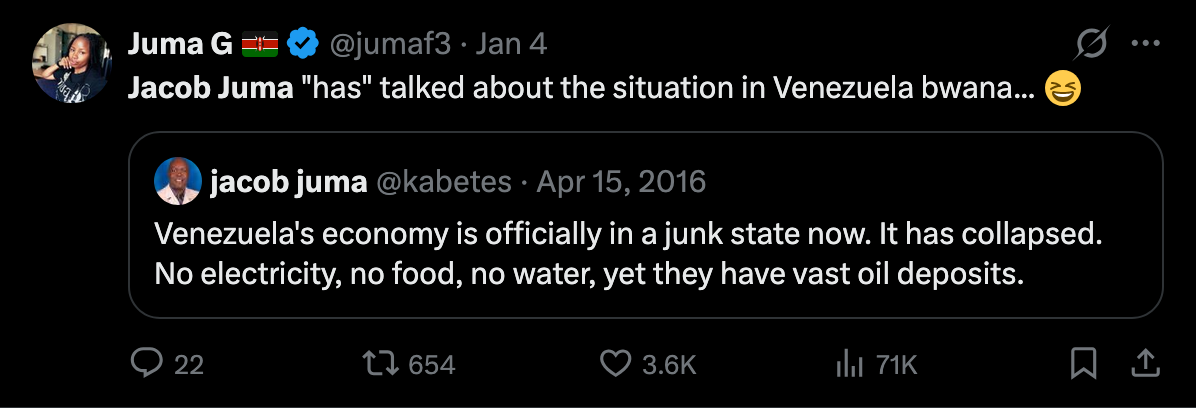
You know that Jacob Juma X account that seemingly has politically relevant posts depending on the prevailing situation despite the fact that Juma died in 2015? Ominous, right?
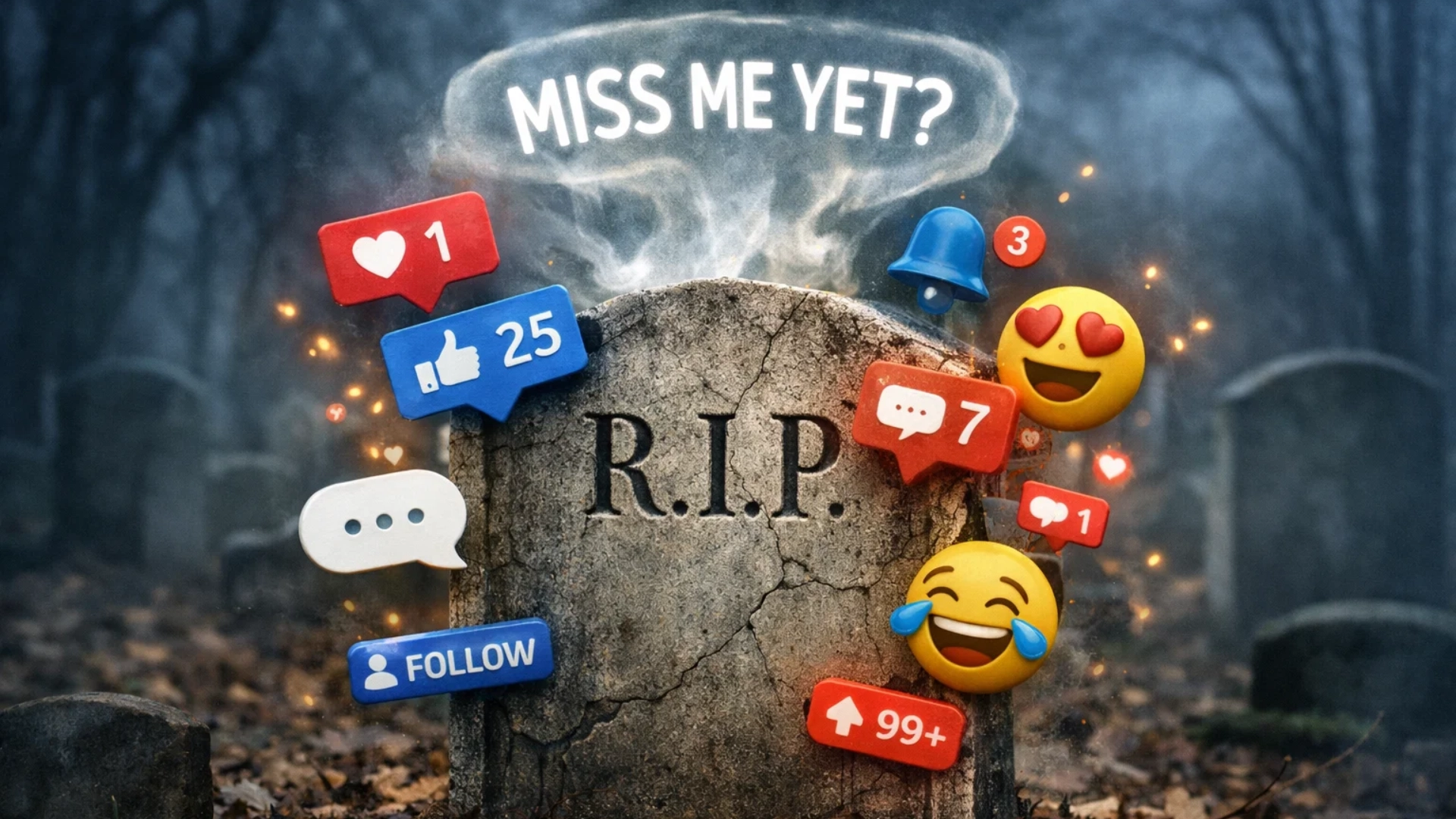
Long after you’ve exited this mortal coil, your X page is still putting out hot takes, your Instagram is still posting TBTs, and your LinkedIn is still congratulating people on promotions. A “Welcome to my channel…” but from beyond the grave. You have to admit how eerie that is.
Not to be dark, but that could be the next advent of social media after Meta patented an AI that can run an account of a deceased person.
If you’re thinking of Black Mirror, you’re not alone; welcome to the age of Grief Tech.
For years, social media platforms have handled death as a memorialization: the profile froze in time, Facebook reminded your friends it was your birthday (bittersweet, every single year), your photos stayed up, and that was more or less it.
Grief tech is changing things by essentially rewinding time. Instead of a static memorial page you visit occasionally, it creates a dynamic digital twin, an AI model trained on your texts, emails, DMs, voice notes, captions, and unique conversational patterns.
The result is a simulation that gives the impression you’re still present.
It is definitely giving San Junipero vibes from that Black Mirror episode. The difference is that this isn’t speculative fiction anymore. It’s product development and Meta wants to own it.
Your digital footprint will become training material for a personality model, and unsurprisingly there are companies already building this “product” of the future.
HereAfter AI invites you to record your stories, voice, and memories while you’re still alive, creating an interactive archive your loved ones can “talk” to later.
READ: 2wai: The New AI App With a Disturbing Way to Raise the Dead
StoryFile follows a similar model, building responsive video libraries from prerecorded answers, which are essentially a deeply personal FAQ hosted posthumously.
Replika lets users create AI companions that learn and imitate their personality traits over time. In contrast, You, Only Virtual generates AI “Versonas” of deceased people using only their digital footprint, with no prior recordings needed. The model analyzes the data trail and extrapolates a representation from it.
The most uncomfortable question grief tech forces us to ask isn’t about technology at all but about control. Specifically, who has control over your digital self once a person is dead?
This has brought up a philosophical problem so unexpected that lawyers are now having to discuss it with completely straight faces: not just the right to be forgotten, but the right to be dead. The right of your digital persona to cease existing once you’re gone.
It’s a strange new frontier where simply having lived online means you may have handed over something you can’t entirely take back.
Meta describes its AI-after-death patent as exploratory rather than an immediate product. In filings and public statements, the company presents it as a tool to handle account inactivity and maintain continuity of user experience when someone stops posting, either temporarily or permanently.
The emphasis is on engagement stability and digital presence, especially for creators and public figures whose audiences expect ongoing interaction.
While Meta recognizes the ethical concerns around grief, privacy, and posthumous identity, it says the patent is meant to preserve strategic flexibility as AI develops. In other words, the company is considering how digital identities might continue even after a user has passed away.
Thinking locally, in a country where social media already shapes political narratives, imagine influential accounts continuing to post after death. The line between archive, automation, and manipulation will be very blurred.
Jacob Juma’s account has been doing its own strange version of this for nearly a decade, surfacing at politically convenient moments with posts that show an uncanny awareness of the news cycle.
Here’s the TLDR: if PopularUserX dies, his account and the ad revenue it generates don’t disappear. Every interaction his AI generates, from quote tweets, replies, and clicks, still drives traffic and profits for the platform. PopularUserX gets nothing. He just keeps “working” for a platform he can no longer log out of.