




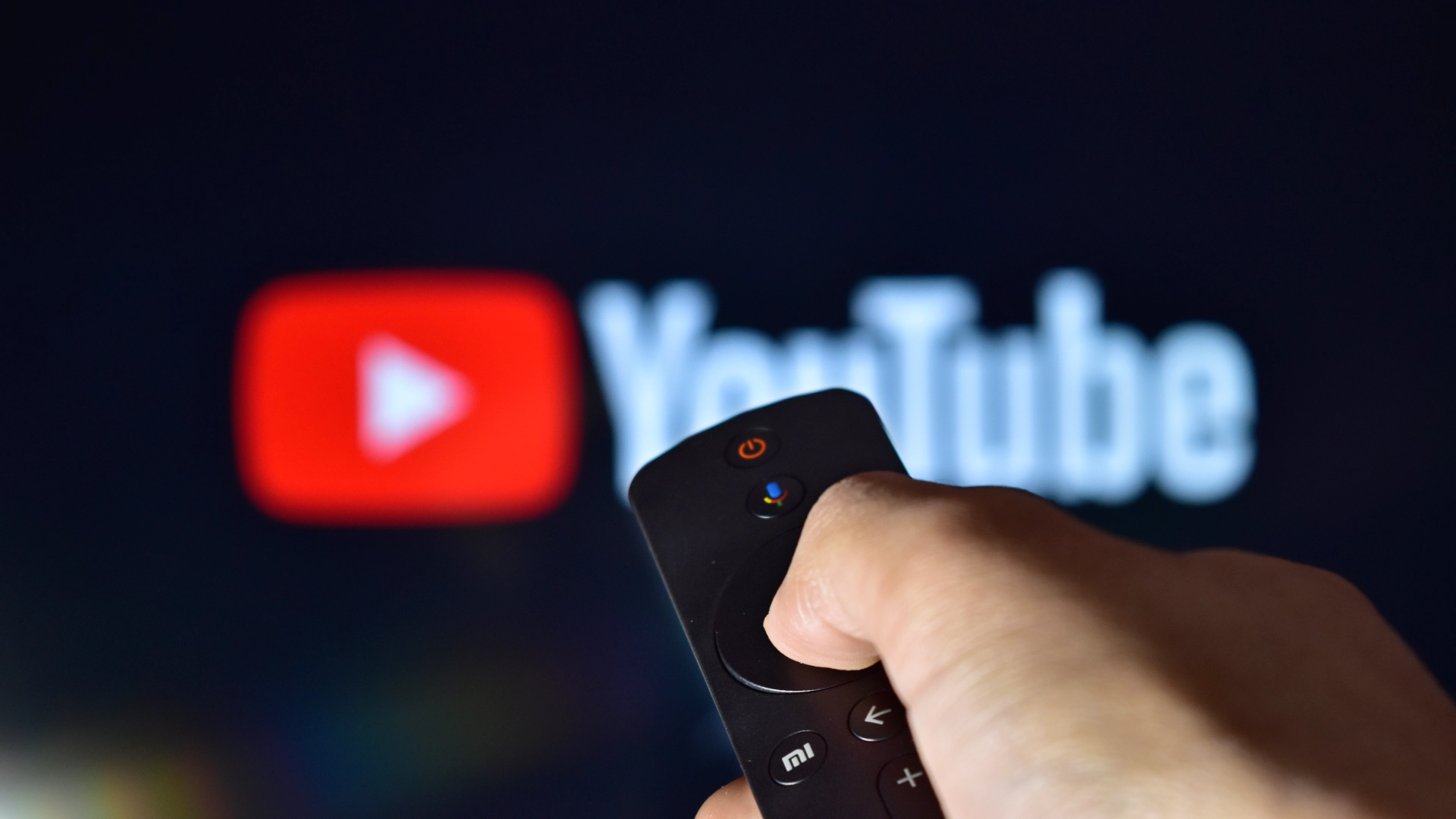
YouTube has begun rolling out unskippable 30-second advertisements on connected TV (CTV) apps for users who are not subscribed to YouTube Premium. The change is global, replacing the previous format of two consecutive 15-second ads.
Basically, YouTube has swapped one interruption pattern for another that more closely mirrors what viewers have been watching on traditional broadcast and cable television for decades.
The platform is also testing 60-second unskippable spots in some markets, while its systems dynamically select between 6, 15, 30, and 60-second formats depending on the content and the advertiser.
What YouTube is building is an ads delivery engine that behaves less like an internet product and more like a TV broadcast slot.
READ: YouTube Desktop Glitches Linked to Latest Ad-Blocker Crackdown
Connected TV has become the fastest-growing segment of the digital advertising market globally, and YouTube is the dominant streaming platform on smart TV screens across most of the world.
Advertisers have long pushed for longer, uninterrupted formats on those screens because the viewing context, a living room with a large display, more closely resembles a traditional TV experience than a phone or laptop.
YouTube, under parent company Alphabet, is now delivering exactly what those advertisers want.
YouTube Premium launched locally in December 2023 with an individual plan at KES 499 per month, a student plan at KES 289, and a family plan at KES 949 for up to five members.
More than two years in, Alphabet has not released subscriber numbers for the country. Alphabet does not break down Premium subscribers by country, though the service has crossed 125 million paid subscribers globally.
Kenya fits the profile of markets YouTube has prioritized with localized pricing. It has a large, young, mobile-first audience that already treats YouTube as a primary screen.
Whether unskippable ads on connected TVs push more of those users toward Premium depends on how quickly smart TV ownership grows and whether ad-free viewing starts to feel like a necessity rather than a luxury.
In Kenya, TV viewership remains strong; however, these are standard free-to-air or satellite screens, not smart TVs pulling YouTube.
As that changes, driven by more affordable smart TV options entering the Kenyan market, YouTube’s unskippable ad format will follow those screens into living rooms. When it does, whether users convert to Premium or simply absorb the ads will become a live question.
YouTube Premium removes all ads across devices and adds background play and offline downloads. The ad changes are partly designed to make that subscription look more attractive, and the approach is not new.
In 2023, YouTube cracked down on ad blockers, faced significant backlash, and watched most users adjust and stay anyway. That told the company its audience would tolerate more than it let on.
The 30-second unskippable rollout follows the same logic. The difference from platforms like Netflix is that YouTube built its entire global audience on a free model first and is now tightening the terms gradually, betting that habit is stronger than frustration.
For creators, longer ads typically mean higher advertiser payouts, but if unskippable formats push YouTube viewers away, especially mobile-first audiences in markets like Kenya, the earnings benefit is not guaranteed.
Kenyan creators whose audiences are primarily on mobile carry more of that risk than those in markets where premium conversion is more common.
READ: AI Will Now Help YouTube Choose the Perfect Moment for Ads
The wider concern is that YouTube functions as more than entertainment across much of Africa. It is where people follow news, attend online classes, access health information, and learn practical skills. Degrading that free experience has consequences that go beyond viewing habits.
YouTube wants the revenue model of a broadcaster and the reach of the open internet. For now it is betting it can hold both.
The users who will test that bet are in markets where Premium is a recent arrival, uptake is still forming, and the free tier carries most of the audience.