






Picture two people starting a company together with a handshake agreement that the work will always benefit the public. Now imagine one of them watching as that company quietly becomes one of the world’s most valuable.
That, in the simplest terms, is what the courtroom in Oakland, California, has been trying to untangle since late April 2026.
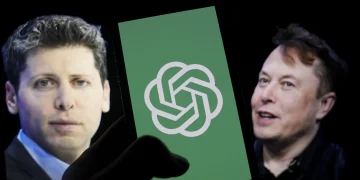
The case is Elon Musk against OpenAI, the company behind ChatGPT. On paper it is a contract dispute, but in reality it is a very public reckoning over promises made, money moved, and who gets to decide the future of one of the most consequential technologies ever built.
How It Started
In 2015, Musk was one of a group of people who founded OpenAI. They had a simple idea to build powerful AI but keep it away from corporate interests so that its benefits could be shared with everyone rather than captured by a handful of shareholders.
Elon Musk put in roughly $38 million of his own money.
Three years later, he was gone, resigning from the board in 2018, citing a potential conflict with his work at Tesla. What happened in between, however, is where things get murky.
Internal records suggest that before leaving, Musk had pushed to take majority control of the organization and had even floated the idea of Tesla absorbing it entirely, but that request was turned down.
Then in 2019, OpenAI restructured and created a commercial arm to attract outside investment, with Microsoft eventually putting in $13 billion. The nonprofit principles that Musk says he bankrolled were, in his view, quietly shelved.
Why Elon Musk is Suing OpenAI
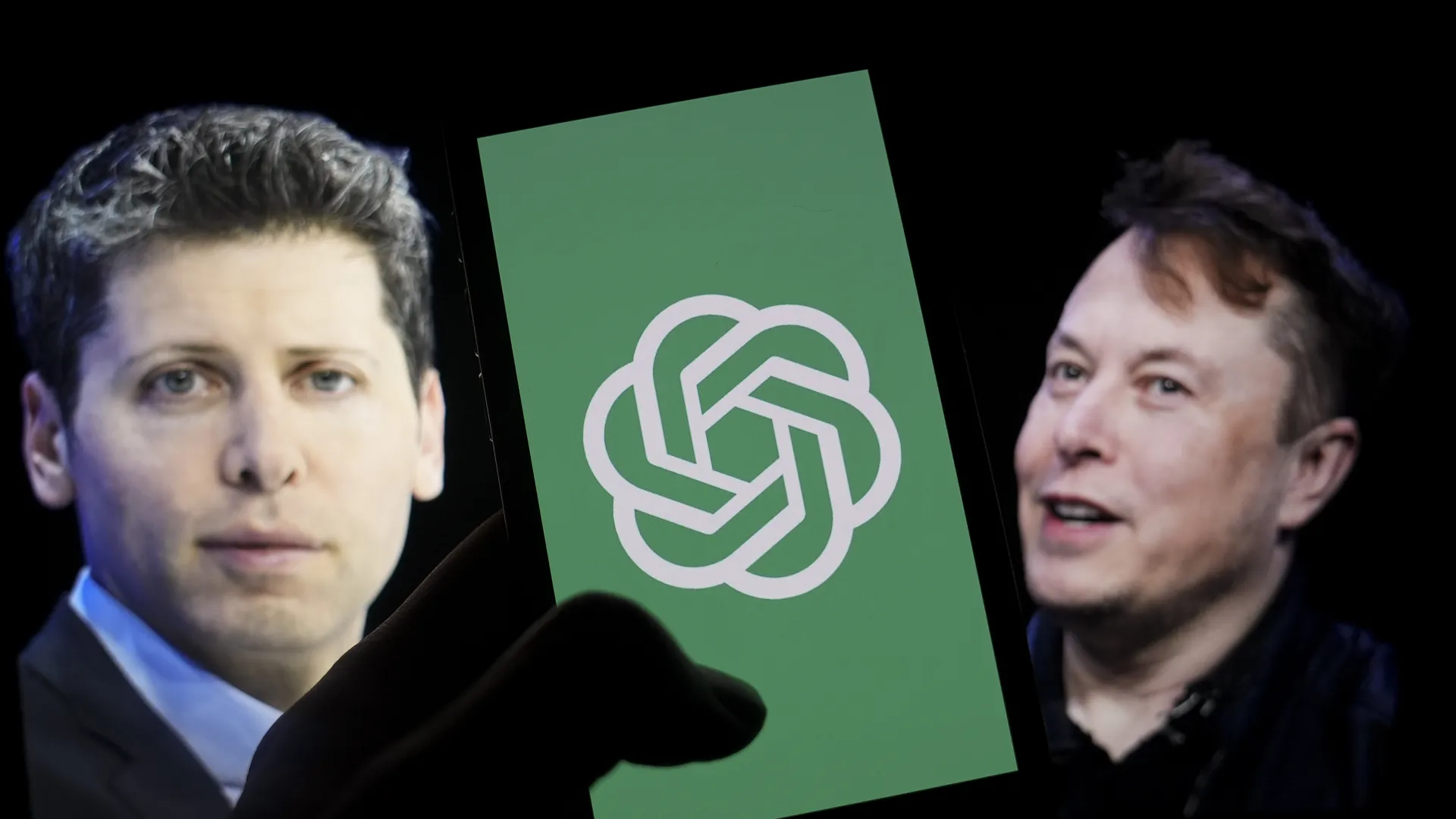
Musk went to court in early 2024, arguing that OpenAI’s leadership, specifically CEO Sam Altman and President Greg Brockman, broke a founding agreement by turning the organization into a profit-driven business.
He is seeking $150 billion in damages and wants the company either forced back into nonprofit territory or stripped of its commercial advantages.
OpenAI’s response has been firm, stating that there was never a formal signed agreement of the kind Musk describes. The transition to a commercial model, they say, was necessary to raise the enormous sums of money needed to stay competitive.
READ: OpenAI Buys 6GW of AMD GPUs in Billion-Dollar AI Push
Without investment of that scale, they argue, the research simply could not continue.
What’s Been Happening in Court?
The first weeks of the trial have been revealing and not always flattering to either side.
Musk took the stand and painted himself as someone who gave generously and was taken advantage of. He described fears that powerful technology in the wrong hands could lead to catastrophic outcomes for humanity.
However, he also had to admit under questioning that his own competing company, xAI, has used OpenAI’s own models to help train its systems, an admission that landed awkwardly and ironically.
OpenAI’s legal team pushed back hard, presenting old emails showing that Musk had wanted commercial control over OpenAI long before he departed, weakening his argument that he only ever cared about the public good.
The second week brought fresh damage, this time aimed at Altman. The company’s former head of technology, Mira Murati, said in a video testimony that Altman had been dishonest with her about safety standards for a product release.
The court also heard about a lengthy internal memo by co-founder Ilya Sutskever, who reportedly accused Altman of a pattern of deception and playing colleagues against one another.
Brockman took the stand too, refuting Musk’s version of events and describing one confrontation with Musk in terms that suggested it nearly turned physical.
What Now?
If Musk wins, OpenAI faces a forced overhaul. Leadership could be removed, profits clawed back, and the company’s technology potentially made freely available to the public. That would upend its entire business model and rattle Microsoft’s enormous investment.
READ: Elon Musk Faces OpenAI Countersuit Over Alleged Fake Takeover Bid
If OpenAI wins, the commercial path it has chosen gets a legal stamp of approval. The company would likely move faster toward a stock market listing, potentially at a valuation close to one trillion dollars, and its partnership with Microsoft would be cemented for the foreseeable future.
Either way, the trial has already done something neither side can undo. It has pulled back the curtain on how messy, personal, and financially motivated the race to build world-changing technology has been from the very beginning.