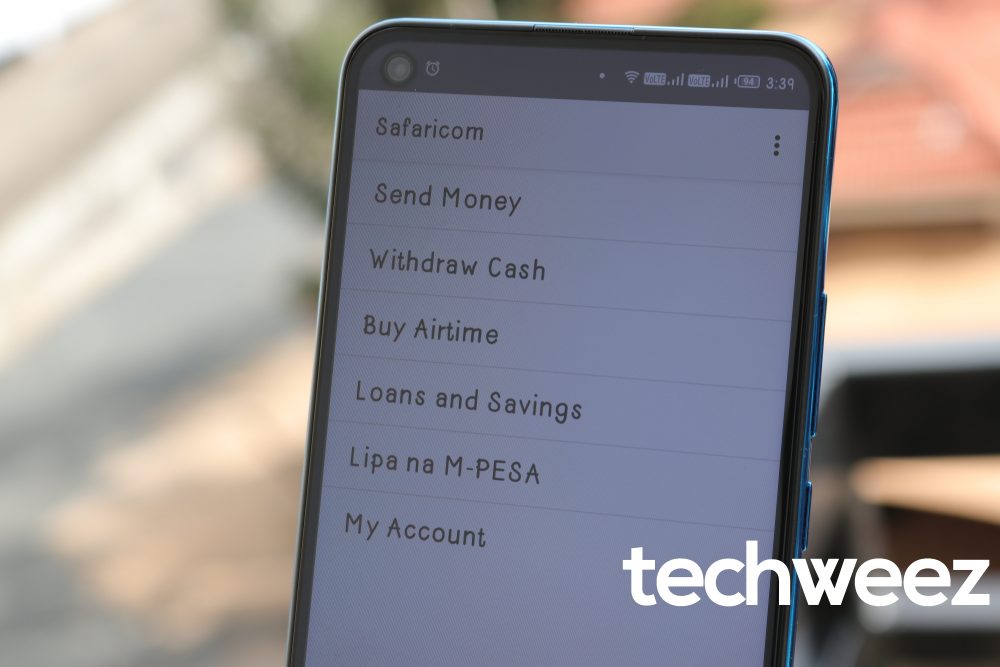


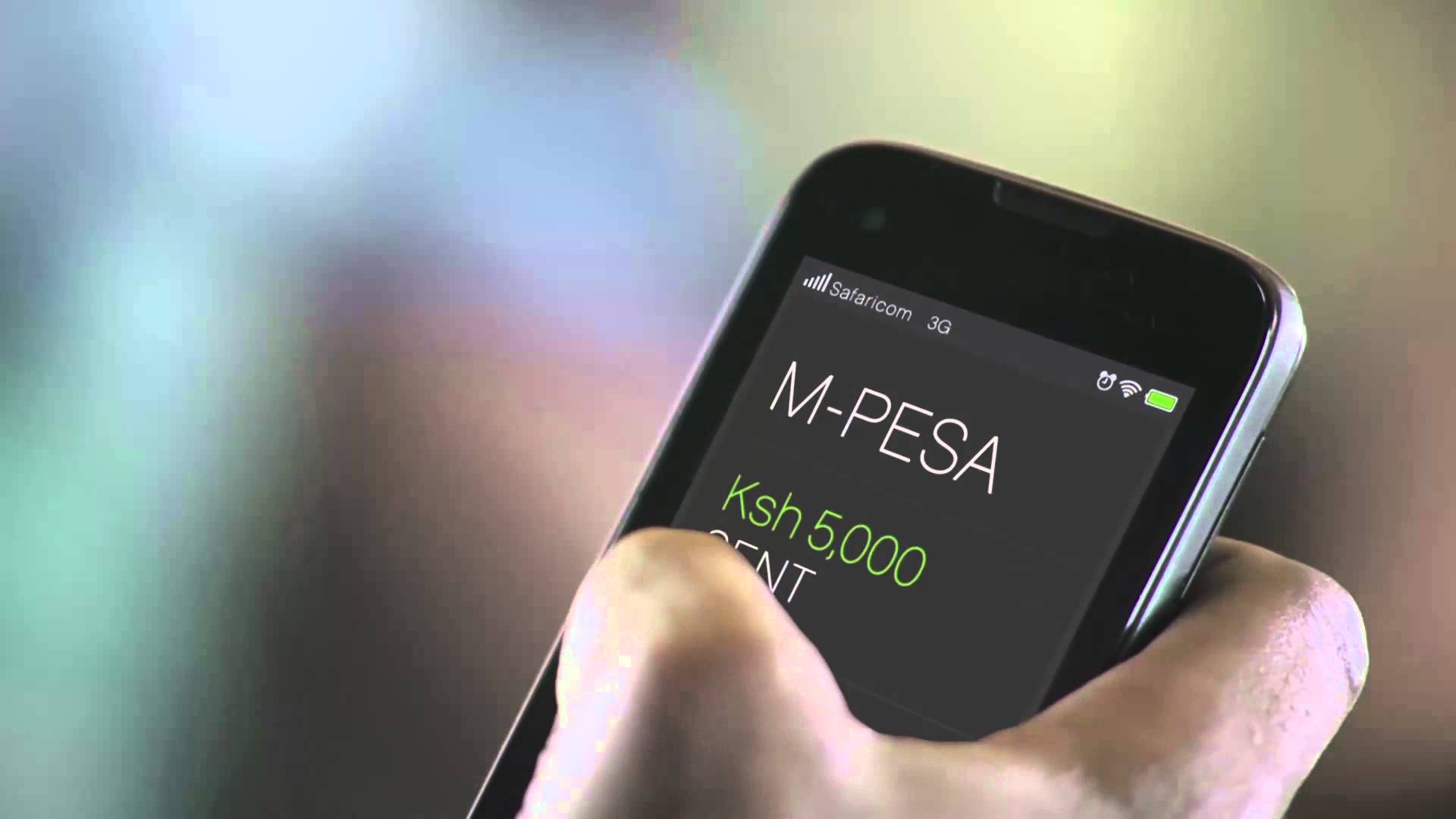





When Safaricom waived charges on small M-PESA transactions during COVID-19, the intent was partly practical: get money moving when people couldn’t.
What followed was a case study in what happens when you remove friction from a payment system that’s already embedded in daily life.
By the 2025/2026 financial year, M-PESA processed 46.4 billion transactions worth KES 41.7 trillion. More telling than the total, though, is that 17.1 billion of those transactions, about 58% of all activity on the platform, were completely free.
That figure is the result of a program Safaricom calls M-PESA Kadogo, which zero-rates person-to-person transfers of KES 100 and below, merchant payments under KES 200, cash deposits at agents, and airtime purchases through M-PESA.
The word “Kadogo” means small in Swahili, and the program is exactly that in scope: small amounts, small purchases, the kinds of transactions that used to get quietly abandoned because the fee made them not worth it.
Removing those fees didn’t just make existing users transact more. It pulled in new users, especially low-income earners and small traders who previously found formal digital payments too expensive for everyday use.
Between 2020 and 2026, the total number of M-PESA transactions tripled. That growth tracks almost directly with the fee removals that started during the pandemic and were later formalized into the Kadogo structure.
On the revenue side, M-PESA grew 13.4% to KES 182.7 billion, which is a notable result given that more than half of all transactions generate no fee income.
Consumer payments led at KES 74.5 billion, followed by business payments at KES 56.7 billion. The platform has moved well past its origins as a simple mobile money transfer tool.
One product worth noting within that growth is Pochi la Biashara, launched in 2021 as a way for small business owners to keep business money separate from personal funds within M-PESA. It has grown fast.
The user base went from 600,000 in the 2024 financial year to 1.1 million the following year, then doubled to 2.2 million in the most recent year. Revenue followed a similar curve: KES 800 million in 2024, KES 2.2 billion the next year, and KES 4 billion in the year just reported.
Users can also invest idle balances overnight through a linked money market fund called Ziidi, which adds a savings layer to what started as a basic bookkeeping feature.