




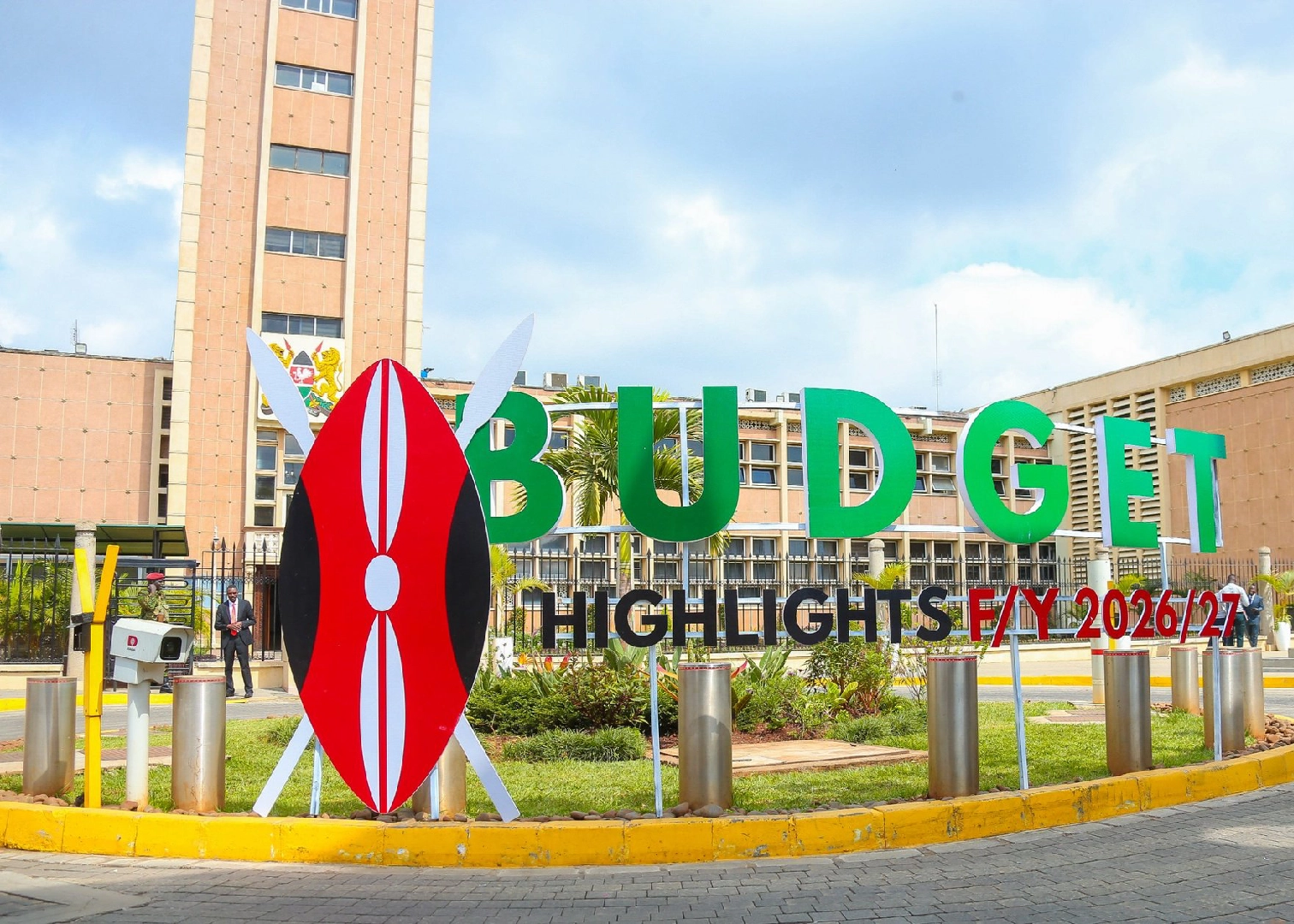
Budget day has arrived, and there are two proposals to look out for that matter most to anyone who owns a smartphone and uses mobile money, which is to say, nearly everyone.
The Finance Bill 2026, tabled in Parliament on May 5 and scheduled to take effect on July 1, contains measures that could change how much you pay for a new phone and how much it costs to send money through M-Pesa, Airtel Money, and dozens of other platforms.
The government says both proposals are not as bad as they sound, but critics and industry experts say the costs will land on ordinary users regardless of how the government frames them.
The Smartphone Tax
The Finance Bill proposes a 25% excise duty on every mobile phone activated in Kenya, whether imported or locally assembled. The key detail is where the charge applies, which is crucially not at the border or at the shop counter but the moment a device is switched on for the first time on a Kenyan network.
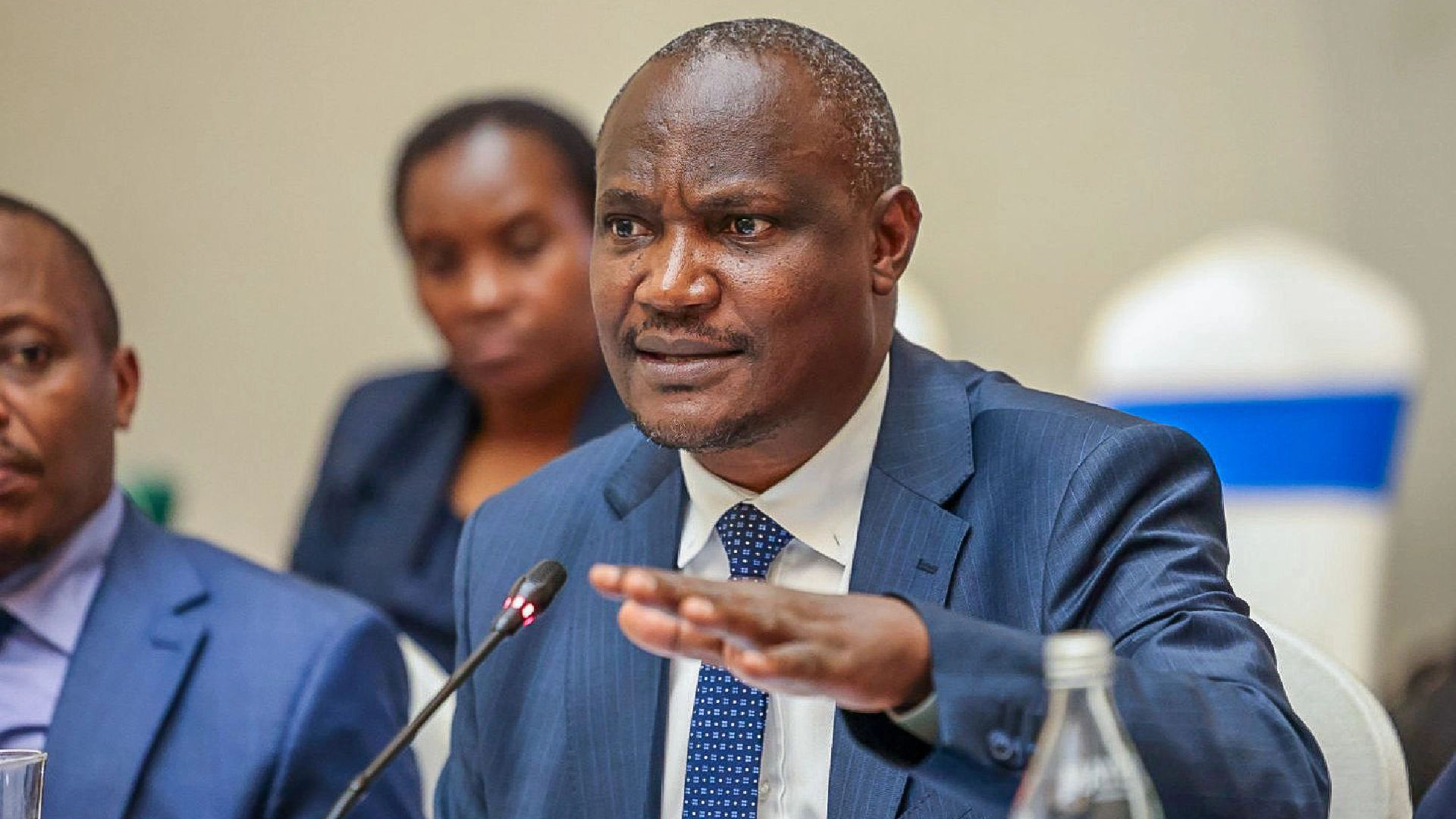
Treasury Cabinet Secretary John Mbadi has pushed back against the criticism, arguing that the proposal does not introduce a new burden but replaces a pile of existing charges.
Currently, a phone coming into the country faces 16% VAT, 10% excise duty, 25% import duty, a 2.5% import declaration fee, and a 2% railway development levy.
Stacked, those charges create a combined tax burden of roughly 55.5%. The new proposal collapses all of that into a single 25% levy collected at activation.
Using an exchange rate of 1 USD = KES 129.41, here’s how the two regimes stack up against each other.
A $100 phone imported from Dubai, under the current regime:
| USD | KES | |
| Base price (Dubai) | $100.00 | KES 12,941 |
| + Import Duty (25%) | $25.00 | KES 3,235 |
| + Import Declaration Fee (2.5%) | $2.50 | KES 324 |
| + Railway Development Levy (2%) | $2.00 | KES 259 |
| Running sub-total | $129.50 | KES 16,759 |
| + Excise Duty (10% on sub-total) | $12.95 | KES 1,676 |
| + VAT (16% on above) | $22.79 | KES 2,950 |
| Total you pay | $165.24 | KES 21,384 |
| Tax burden | $65.24 | KES 8,443 |
The effective tax rate on that phone is 65.2%. A $100 device costs $165.24 by the time it reaches a Kenyan consumer.
Under the proposed Finance Bill 2026 regime:
| USD | KES | |
| Base price | $100.00 | KES 12,941 |
| + Single excise at activation (25%) | $25.00 | KES 3,235 |
| Total you pay | $125.00 | KES 16,176 |
| Tax burden | $25.00 | KES 3,235 |
The difference: Under the proposed system, the same phone costs $40.24 less, or KES 5,208 less. This is the consumer saving that the government references when Mbadi states that phones will not become more expensive under the new regime.
If that calculation holds, smartphones could actually become cheaper. The problem is that it does not always hold. The activation model creates a new collection mechanism that places responsibility on mobile operators to verify duty payment before connecting a device to their network.
Another thing worth noting is that the savings are real on paper, but only if importers and retailers actually pass them on to buyers, and if the new activation system does not create costs that operators quietly fold back into pricing.
Critics have also pointed out that the new regime will effectively turn telcos into tax collectors, tying KRA systems to the activation process in ways that introduce new costs and compliance risks for the industry.
The proposal lowers the overall tax burden on imported devices, but in practice it could create a pricing disadvantage for locally assembled phones.
Kenya had 48.7 million smartphones on its networks by the end of 2025, with mobile money penetration sitting at 98%.
READ: Kenya Adds 2.7 Million Mobile Money Users in 3 Months to Hit 98% Penetration
Phones are now the means through which Kenyans bank, access government services, earn income as creators and small traders, and navigate daily life. Anything that makes them significantly more expensive has consequences that go beyond consumer preference.
The Mobile Money Proposal
The second proposal has the potential to affect more people more quickly.
The Finance Bill introduces a 16% VAT on fees charged by Kenya’s 42 licensed payment platforms. The list includes M-Pesa, Airtel Money, Pesapal, Kenswitch, Cellulant, and Craft Silicon, among others.
To put the scale of what is at stake in perspective, M-Pesa alone processed 46.4 billion transactions in the year ending March 2026, moving KES 41.7 trillion through its system.
This saw a 25% jump in transaction volume from the previous period. That figure is nearly three times Kenya’s entire GDP.
The government’s framing is that the tax targets the platforms, not users. Treasury budget director-general Albert Mwenda told the Business Daily that the person liable for VAT is the ICT supplier.
“The person who supplies ICT to enable payments, including paybills or tills, is the one subject to VAT. Persons making payments would be out of the scope for VAT as they are not supplying any services.”
That distinction may be technically accurate, but it misses how VAT works in practice. Platform operators earn their revenue from the fees users pay. If those fees go up because of additional tax obligations, the cost passes down the chain to the consumer.
The Kenya Bankers Association made the same point during parliamentary public hearings, warning that taxing digital payment platforms could push Kenyans back toward cash.
“You tax digital payment platforms; you drive consumers to the mattress and to the informal economy… The government cannot be able to collect revenue in that type of system, ” KBA Chief Executive Raimond Molenje said.
Mobile money has succeeded in Kenya precisely because it is affordable and accessible. The mama mboga who accepts M-Pesa and the boda boda rider paying for fuel via Paybill, while the freelancer receives client payments into their wallet: all of them use these platforms because the friction and cost are low.
A VAT-driven increase in transaction fees, even a modest one, could erode that logic for low-frequency users who are already on the margins of the formal financial system.