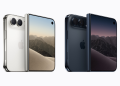





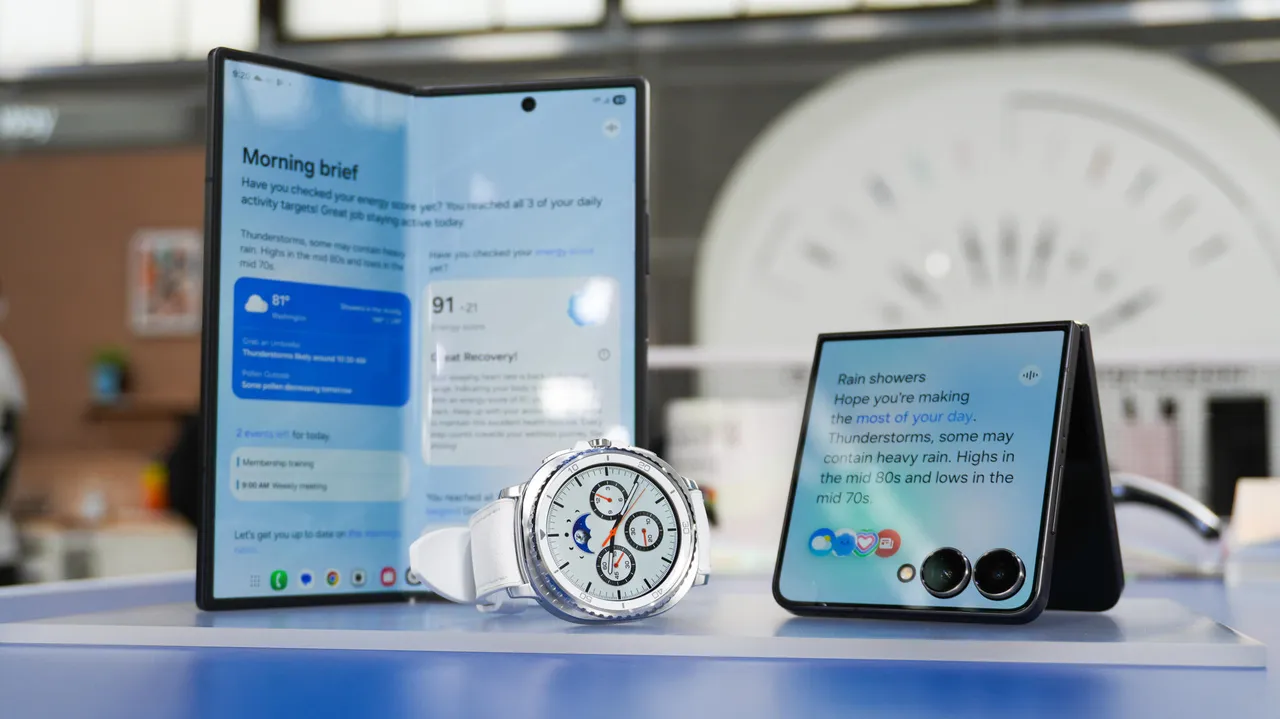
The new age of Samsung’s foldables is here as the South Korean company took to the stage at the Galaxy Unpacked event to unveil the Samsung Galaxy Z Fold7 and Z Flip7.
Samsung Galaxy Z Fold7
From the stage and first impressions, Samsung emphasized heavily on the upgraded designs as the Z Fold7 now becomes the company’s thinnest and lightest of its name.
The device stands at 8.9mm in thickness when folded, which is 26% thinner than the Fold6. Samsung has also shaved off 24g from its predecessor, making it even lighter than the 218g Galaxy S25 Ultra.
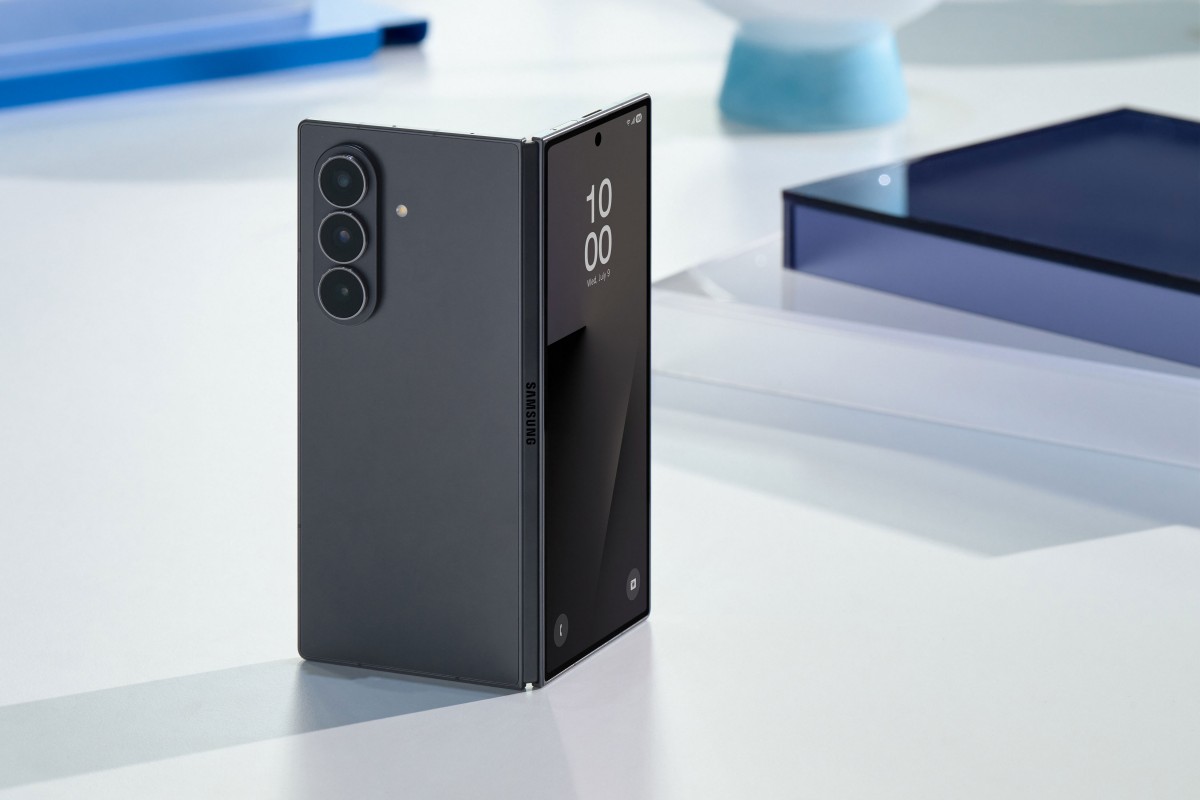
The rear camera system features a 200MP main camera, which is the same as the one in the Galaxy S25 Ultra and Edge.
Surprisingly, Samsung seems to have given up on the under-display selfie camera as it is now replaced by a 10MP sensor. Video capture is supported up to 8K at 30fps which is super impressive.
The biggest upgrades are the displays, as the cover screen is now 6.5 inches, which is 0.2 inches larger and wider, with a standard 21:9 aspect ratio.
The folding screen is also bigger at 8.0 inches, which is a welcome improvement. Generally, the displays offer diagonals that would put the Galaxy Z Fold7 up there in the foldables of the year, something that Samsung fans have asked for years.
While all these features indicate improvements in design, the phone looks fairly similar to its predecessor. The audience would certainly have been interested to see the device’s internals and if they offer an improvement to the Fold6.
Samsung Galaxy Z Flip7
To the smaller flip phone, the Galaxy Z Flip7 appears to have been designed with the displays as the main focus. The cover and inner screens have gotten bigger at 4.1 inches and 6.9 inches, respectively.
In addition to their size, the screens now feature a 120Hz refresh rate and 2600 nits of peak brightness.
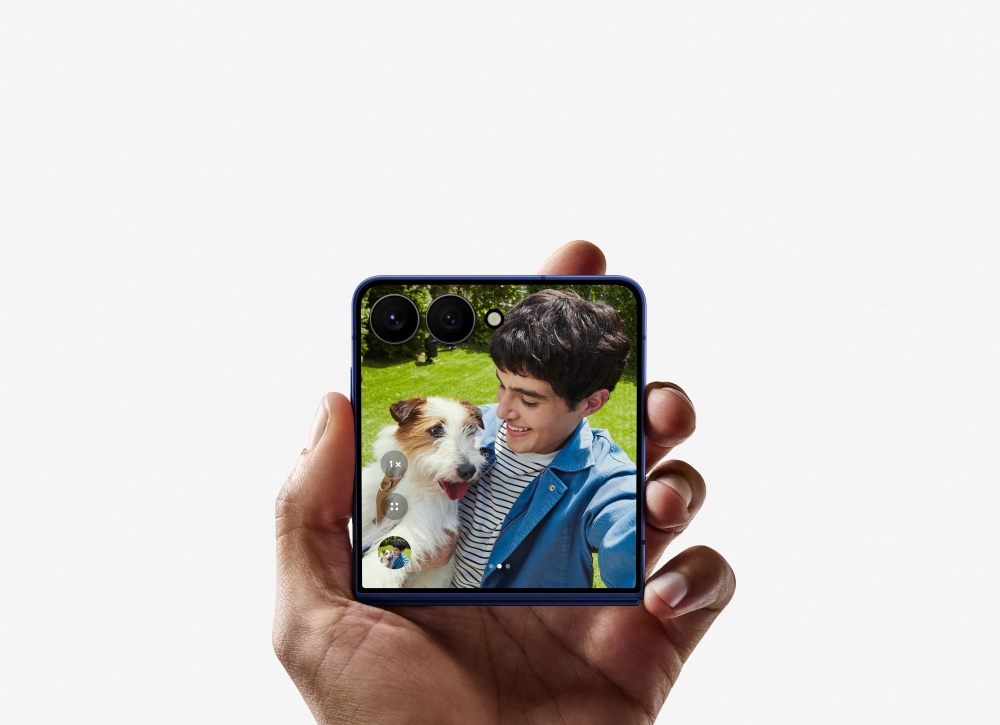
Like its bigger sibling, the Galaxy Z Flip7 is the company’s thinnest yet, standing at 13.7mm when folded and 0.4mm when unfolded.
The Z Flip7 also features a 50MP rear camera and a 10MP front-facing camera, although both setups can still be used as selfie cameras.
The biggest disappointment, though, is the phone’s chipset, which is now an Exynos 2400 for all regions, switched over from the Snapdragon 8 Gen 3, which is more of a lateral move than a move upwards.
Pricing and Availability
Both devices are now available for pre-order globally, although it hasn’t been announced what the official prices are in Kenya. We’ll keep you updated as soon as Samsung Mobile Kenya releases details on availability and pricing.