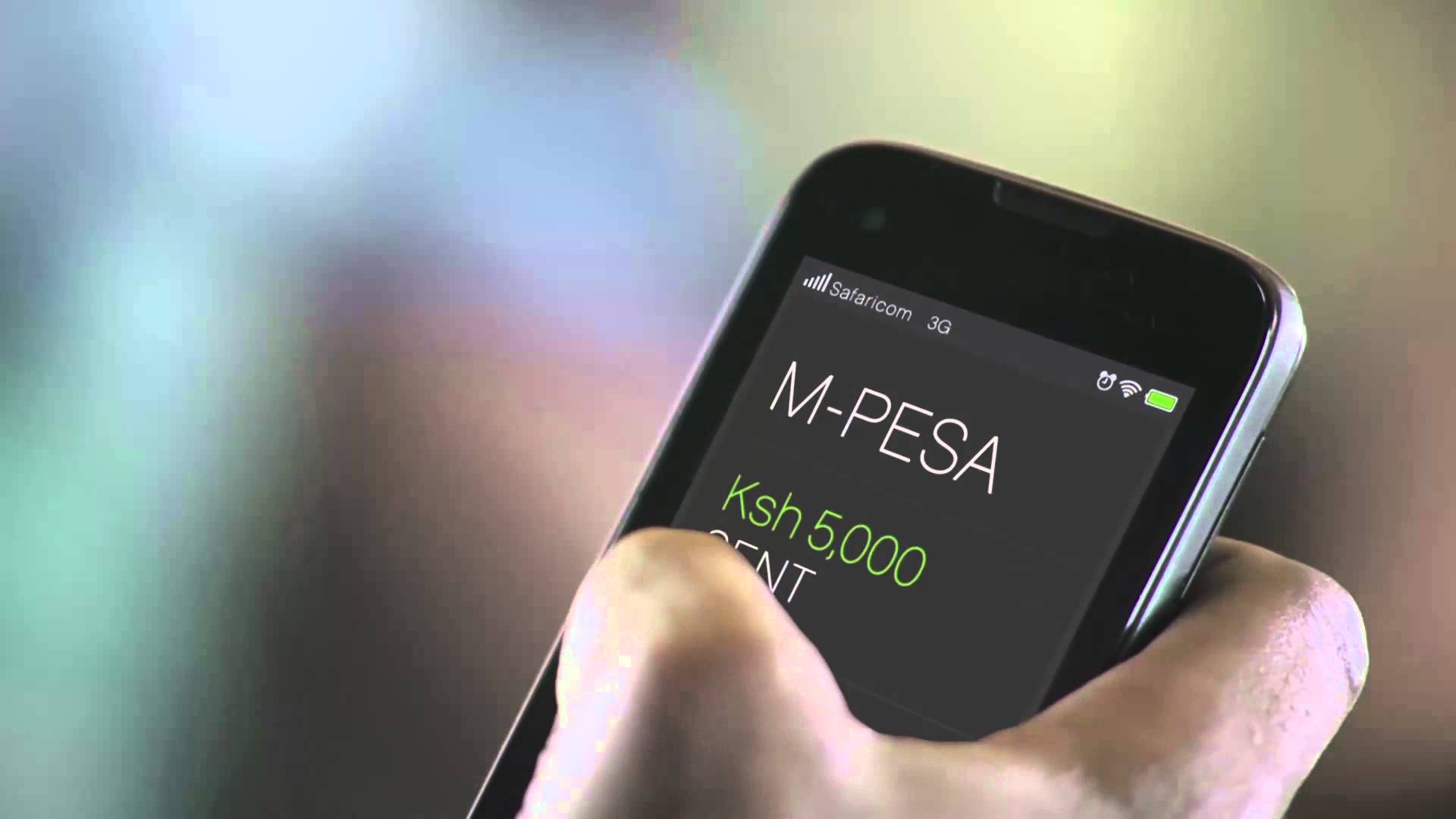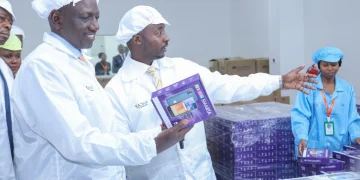





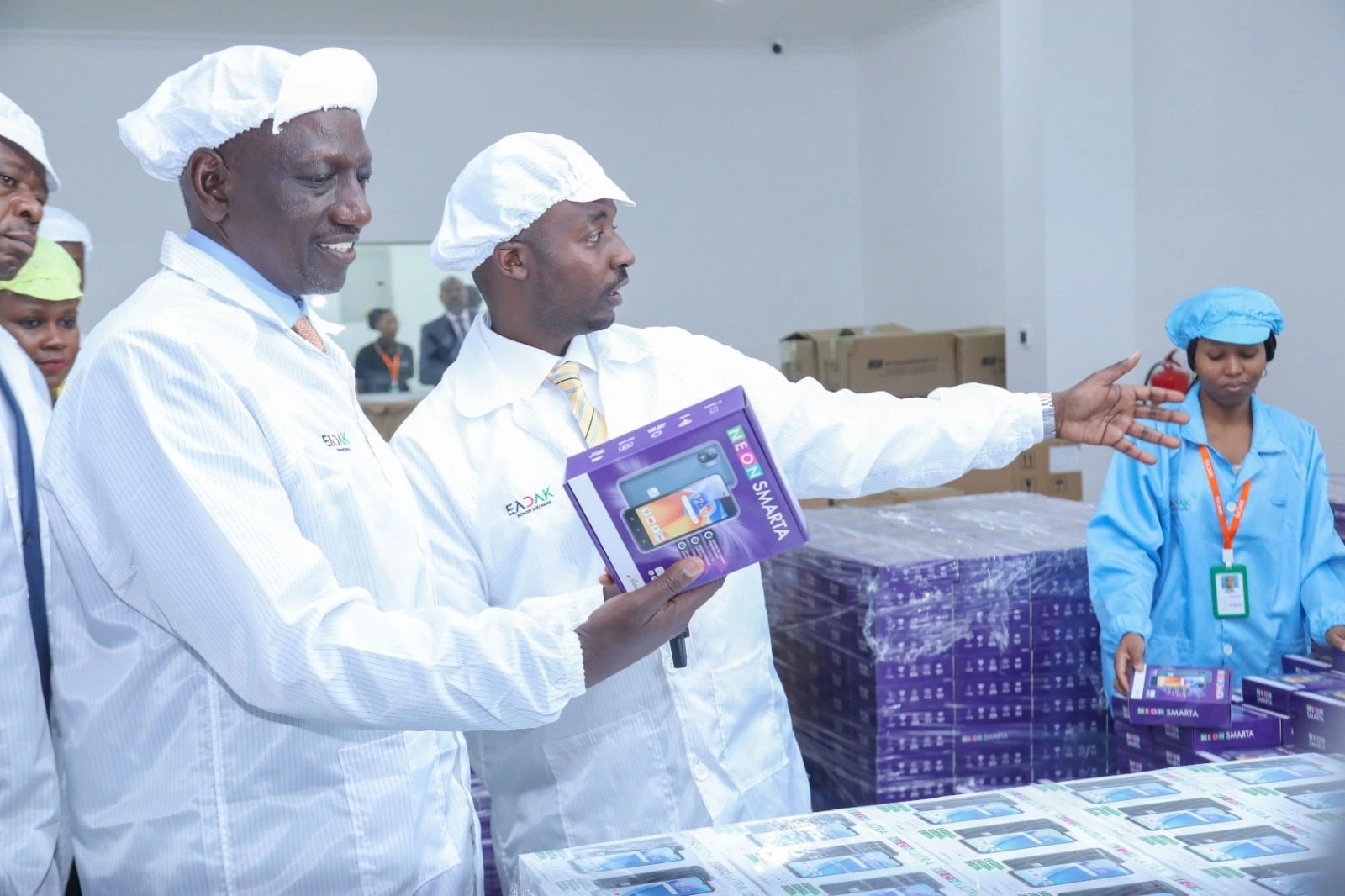
The Neon Ultra and Neon Smarta became the first affordable smartphones to be assembled in Kenya. This milestone was the result of a collaboration between Jamii Telecom, Safaricom, and China’s Shenzhen TeleOne Technology at the East Africa Device Assembly Kenya Limited (EADAK) facility.
However, phone usage data reveals that Kenyans are moving away from the Neon low-cost smartphones. When President Ruto officially launched the EADAK plant, the phone had a market share of 2.09%, and the latest data indicates a consistent decline since.
By June 2024, Neon smartphones’ share of the Kenyan smartphone market had already dropped to 1.96%. This decline persisted considerably, reaching just 0.68% by June 2025.
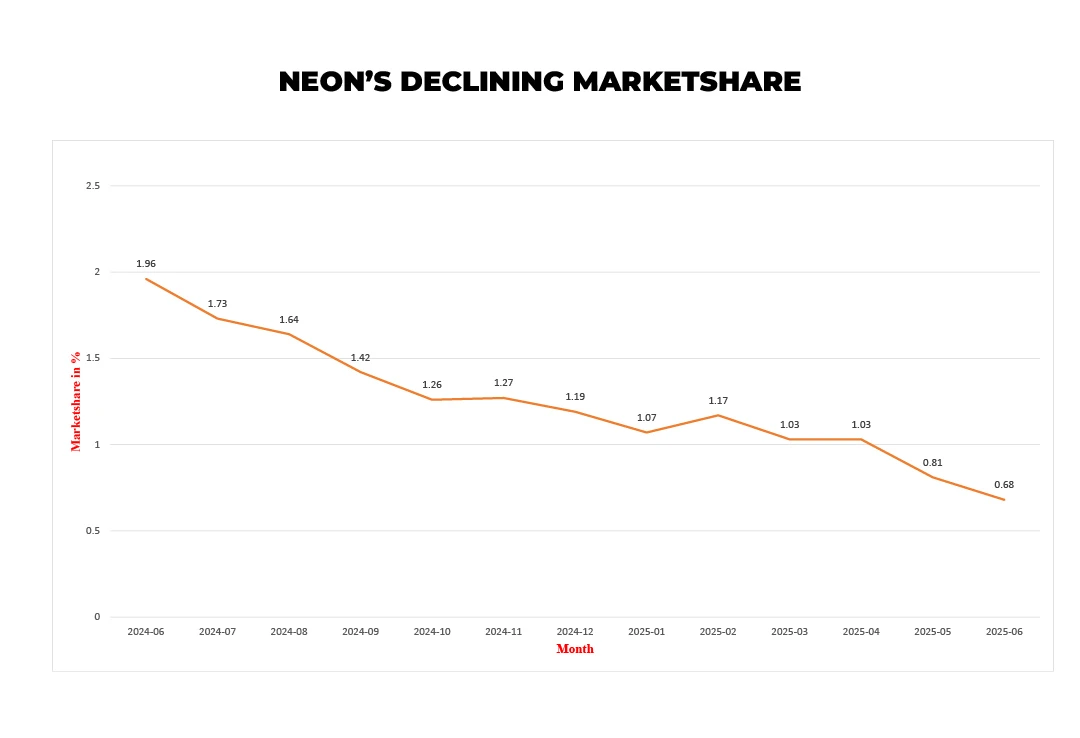
Market share for Kenya’s locally assembled smartphones, intended to boost affordability and digital inclusion, is shrinking even as the country’s overall smartphone penetration rapidly increases.
Neon is struggling to compete in the low-cost smartphone market, especially since brands like Infinix, iTel, Redmi, and Vivo have launched arguably better-performing smartphones at almost similar price points.
At launch, the phones retailed at KES 7,000 and KES 11,000. A quick check on Safaricom’s e-commerce platform, Masoko, shows the Neon Ultra 2 is currently selling at KES 9,999.
Read: Best Budget Smartphones Under 20K To Buy in Kenya (2024)
Samsung Remains the Most Popular Smartphone in Kenya
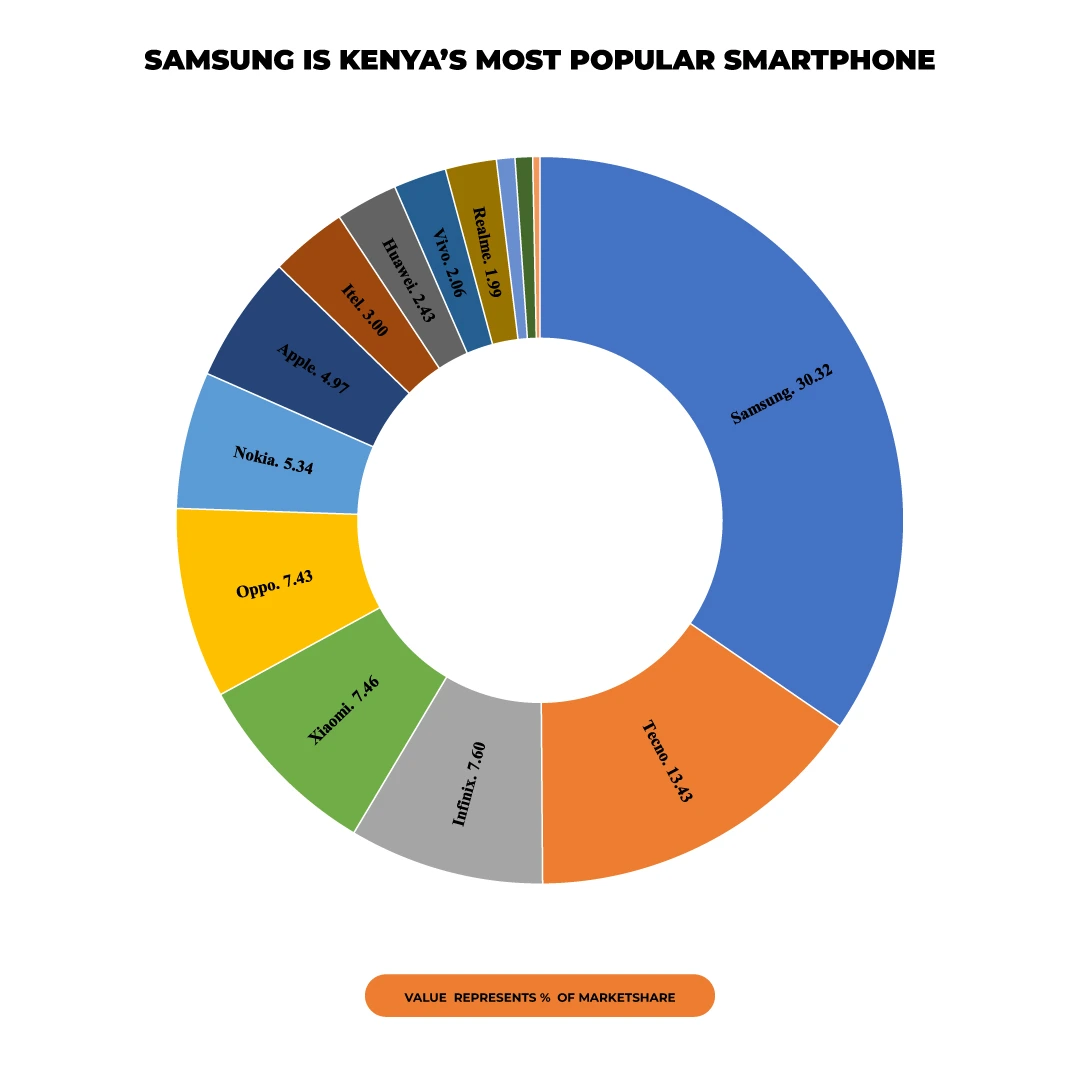
The South Korean phone brand, Samsung, continues to have a strong hold on the Kenyan market. By the end of June 2024, Samsung’s market share in Kenya stood at 24.32%, a 6% growth over the last year.
This proves that Samsung is still the most popular phone brand in Kenya.
Chinese phone maker Xiaomi is another brand that has experienced growth in the last year. It had a market share of 5.28%, which has since grown to 7.46%. Xiaomi sells phones in Kenya under two brands: the Xiaomi brand itself and its more budget-friendly Redmi brand.
Based on market share data, it holds fourth place, edging out Oppo by just 0.03%.
Meanwhile, Transsion Holdings (the manufacturer behind the iTel, Infinix, and TECNO brands) experienced mixed results over the year. Infinix held on to its number 3 position in terms of market share.
The brand maintained a steady market share of 7.60% over the past year, a period in which it launched a range of mid-range and entry-level smartphones across its Note, Hot, and Smart series.
Read: Infinix Note 50 Pro Review: A Budget Phone Shouldn’t Be This Good
Despite holding onto the number 2 spot, TECNO’s market share decreased from 16.98% to 13.43%. iTel’s market share fell from 4.26% to 3%, possibly due to increased competition from other brands in the entry-level phone segment.
Apple’s iPhone had a slight growth over the period, growing from 4% to 4.97%. This puts the pricey iPhone in position 7, outselling the low-cost iTel.
Marketshare ranking is derived from StatCounter insights, which compiles its smartphone usage data from monthly visits to a vast network of over 1.5 million websites, analyzing a sample of more than 5 billion page views.