





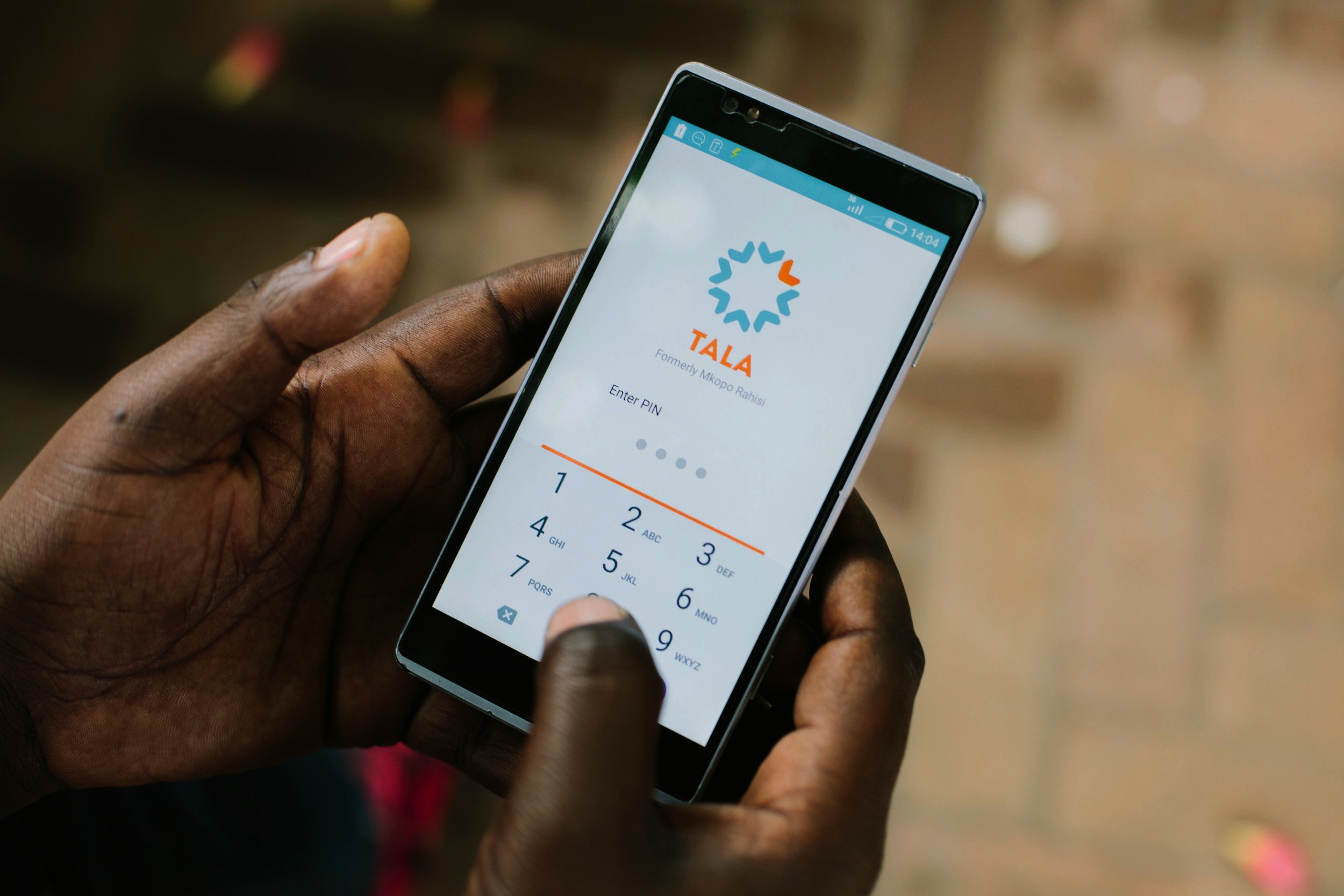
Fintech company Tala is extending its operations in Latin America, with plans to enter Guatemala first, followed by the Dominican Republic and Panama before the close of 2025.
Since its entry into Mexico eight years ago, Tala has served close to four million customers and disbursed 20 million loans. The company says Mexico remains its fastest-growing market, providing a model it hopes to replicate in new countries.
The company will use its “Tala in a Box” platform as the backbone of the rollout. The system combines credit assessment tools, payments infrastructure, and customer relationship management to speed entry into new markets.
Central to its approach is Tala InSight, an AI-driven tool that helps build financial identities for users without conventional credit histories.
Tala operates a full financial stack that includes payments, transfers, and backend rails for cross-border services. This structure has supported steady growth, with the company reporting a three-year compound annual revenue growth rate of 35%.
Its expansion into three new markets will test both the adaptability of its model and its ability to navigate diverse regulatory environments in Latin America.
READ: Tala Disburses Over 3.5 Million Loans in Kenya Worth KES 240 Billion
“Through our experience serving the Mexican market, we have developed deep insights into the region and found that existing services still don’t serve the majority of the population,” said Annstella Mumbi, General Manager, Tala, Kenya. “We have the technology and products to change that.”
Tala has raised over $500 million in debt and equity financing from global investors, resources that underpin its scale-up strategy. The company has already issued more than $7 billion in credit to over 12 million customers across East Africa, Southeast Asia, and Latin America.
By entering Guatemala, Panama, and the Dominican Republic, Tala aims to reach populations still excluded from mainstream finance. However, its success will depend on how well it manages local challenges such as differing regulatory frameworks, competition from established players, and economic volatility.