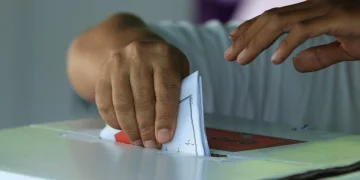





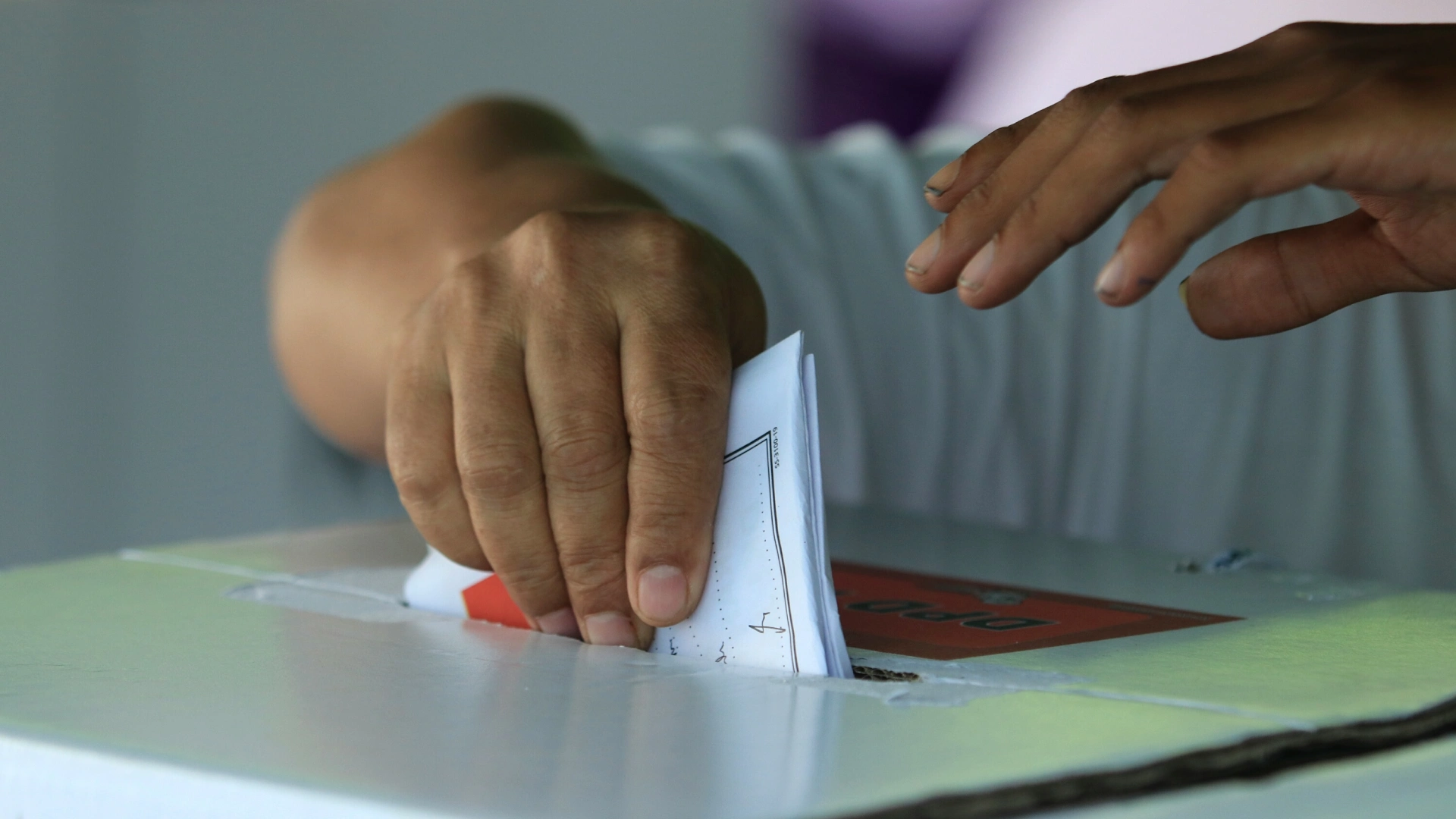
Polls have opened this morning as Uganda goes to the ballot for the presidential and parliamentary elections.
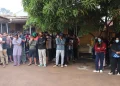
While large crowds formed outside polling stations across Kampala and beyond, they were met with delayed poll openings, queues growing longer by the minute and malfunctioning biometric machines with little explanations from officials, prompting frustrations.
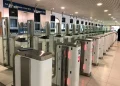
In central Kampala, protesters and ordinary voters alike found biometric voter verification machines, a central part of the Electoral Commission’s new system, either not working at all or failing repeatedly, leaving people waiting for hours without information.
The Biometric Voter Verification Kits (BVVKs) deployed nationwide are part of a major technological shift for Uganda’s elections. The Electoral Commission says these machines, which verify a voter’s fingerprint or facial data before a ballot can be issued, are intended to enhance transparency and prevent fraud.
They’ve since been rolled out across tens of thousands of polling stations for the first time in a general election.
However, despite these hopes, concerns remain about how ready the system really was. Many polling stations received their ballots late, and in several districts the scanners used for verification were still not working even as voting time was coming to an end.
In past Uganda elections, including in 2021, authorities experimented with electronic systems but faced operational issues and skepticism about effectiveness.
This year, the commission pushed for a full-scale launch, but the technical issues already experienced have ignited doubts, especially among civil society groups and regular voters, about whether the technology can actually deliver on its promise.
Furthermore, the situation has not been helped by the Uganda Communications Commission (UCC) ordering a nationwide internet shutdown, just days before the vote leaving citizens unable to access social media, messaging platforms or real time online news.
READ: Ugandans Flock to BitChat App After Internet Shutdown
The shutdown, officially justified as a measure to curb misinformation and maintain public order, has been criticized by opposition figures and rights groups as a method to suppress and limit independent reporting during the most critical hours of the election.
Due to the shutdown, voters can’t share what’s happening or check official information online. The Ugandan government has done this before, but this time the blackout hit right before people went to the polls, cranking up the tension and fueling rumors.
Uganda’s long-time president, Yoweri Museveni, who has been in power since 1986, is running for another term. He faces several challengers, most notably opposition leader Bobi Wine, who has gained strong support from young voters and people unhappy with the current regime.