




Safaricom has announced an interim dividend of KES 0.85 per share for the financial year ending March 31, 2026, following a board meeting on February 4. The payout will go to shareholders registered by the close of business on February 25, with payments scheduled for March 31.
The dividend is a significant increase compared to recent years and is one of the highest interim payouts Safaricom has made in a long time, reflecting strong performance in the first half of the financial year.
The company’s results from the half-year ended September 30, 2025, showed service revenue rising just over 11% to KES 200 billion, while net profit jumped by more than 50% year-on-year. The growth came from higher customer usage, increased digital transactions, and better control of operating costs.
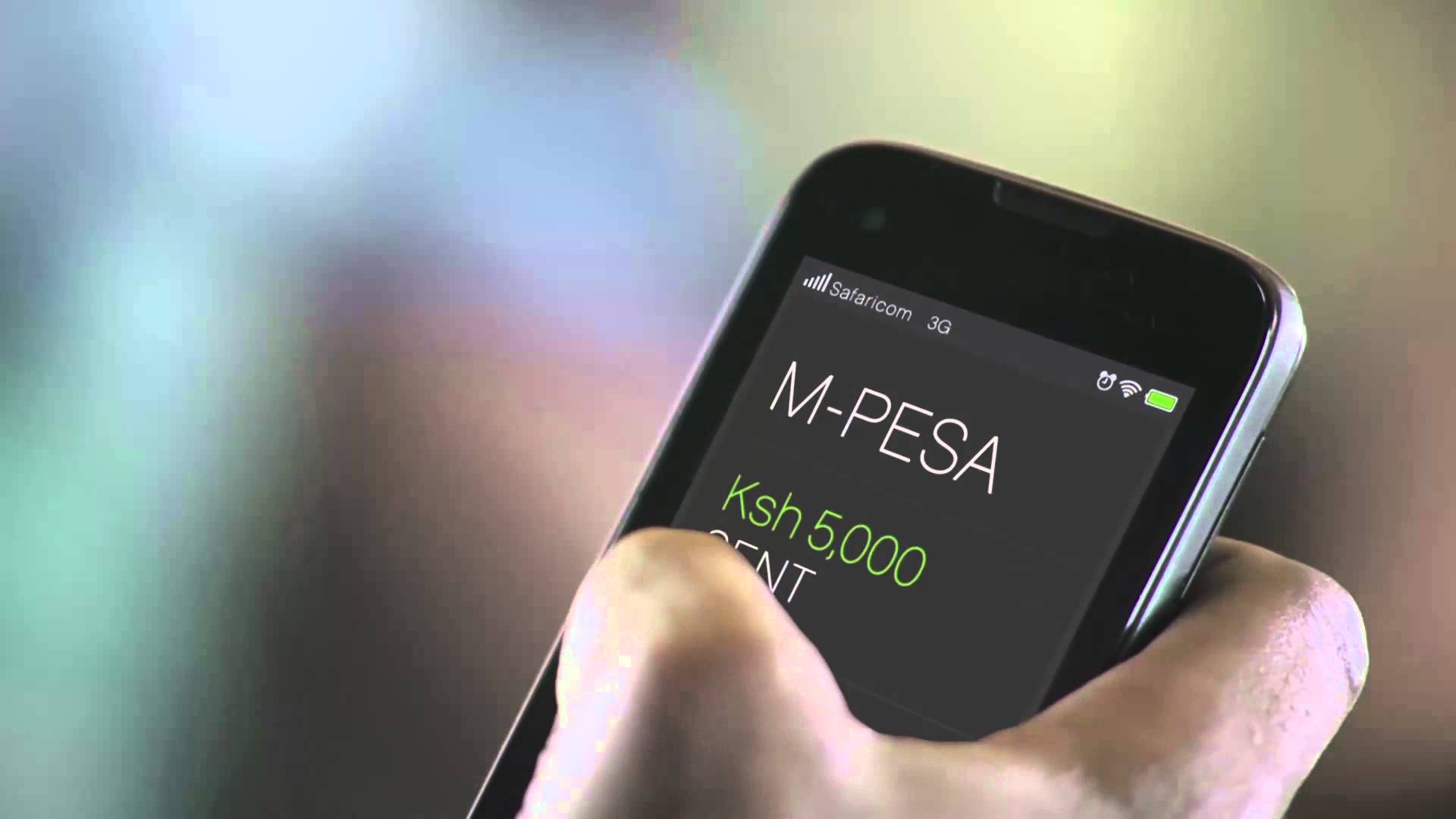
M-Pesa continues to drive Safaricom’s revenue, with transaction values climbing as Kenyans increasingly use digital payments instead of cash for everyday spending, savings, and transfers.
In the previous full financial year ending March 2025, M-Pesa revenue grew by more than 15% to over KES 160 billion, accounting for nearly half of Safaricom Kenya’s service revenue.
With close to 40 billion shares outstanding, this interim dividend will cost Safaricom more than KES 34 billion, making it one of the largest interim dividend distributions on the Nairobi Securities Exchange.
The dividend announcement comes as the government moves forward with plans to sell 15% of its remaining stake in Safaricom. The deal, valued at about KES 204.3 billion from the share disposal itself, received formal approval from the National Assembly on February 4, 2026.
Key regulatory bodies, including the Capital Markets Authority, the Competition Authority of Kenya, and the Communications Authority, have indicated the pricing is competitive and won’t harm minority shareholders or distort the market.
READ: The Safaricom Sale: What’s Really Happening Behind Kenya’s Biggest Privatization Deal
After the transaction closes, Vodacom and Vodafone-linked entities will control 55% of Safaricom, while the government will retain 20% and public investors 25%.
The government plans to channel the proceeds through the National Infrastructure Fund and Sovereign Wealth Fund to finance roads, energy, and water projects without raising new taxes or increasing borrowing.