




Twitter (or what the cool kids call “X”) is not just a playground for keyboard warriors. Sometimes you get some interesting ideas, like Patrick Kiunyu’s pitch to have your M-Pesa PIN “lie” for you.
Let’s say you’re sitting in traffic when someone taps on your window with something that isn’t a smile. They get in your car and immediately demand you send them money. Right away. If you’ve not yet caught on, you’re now a victim of carjacking.
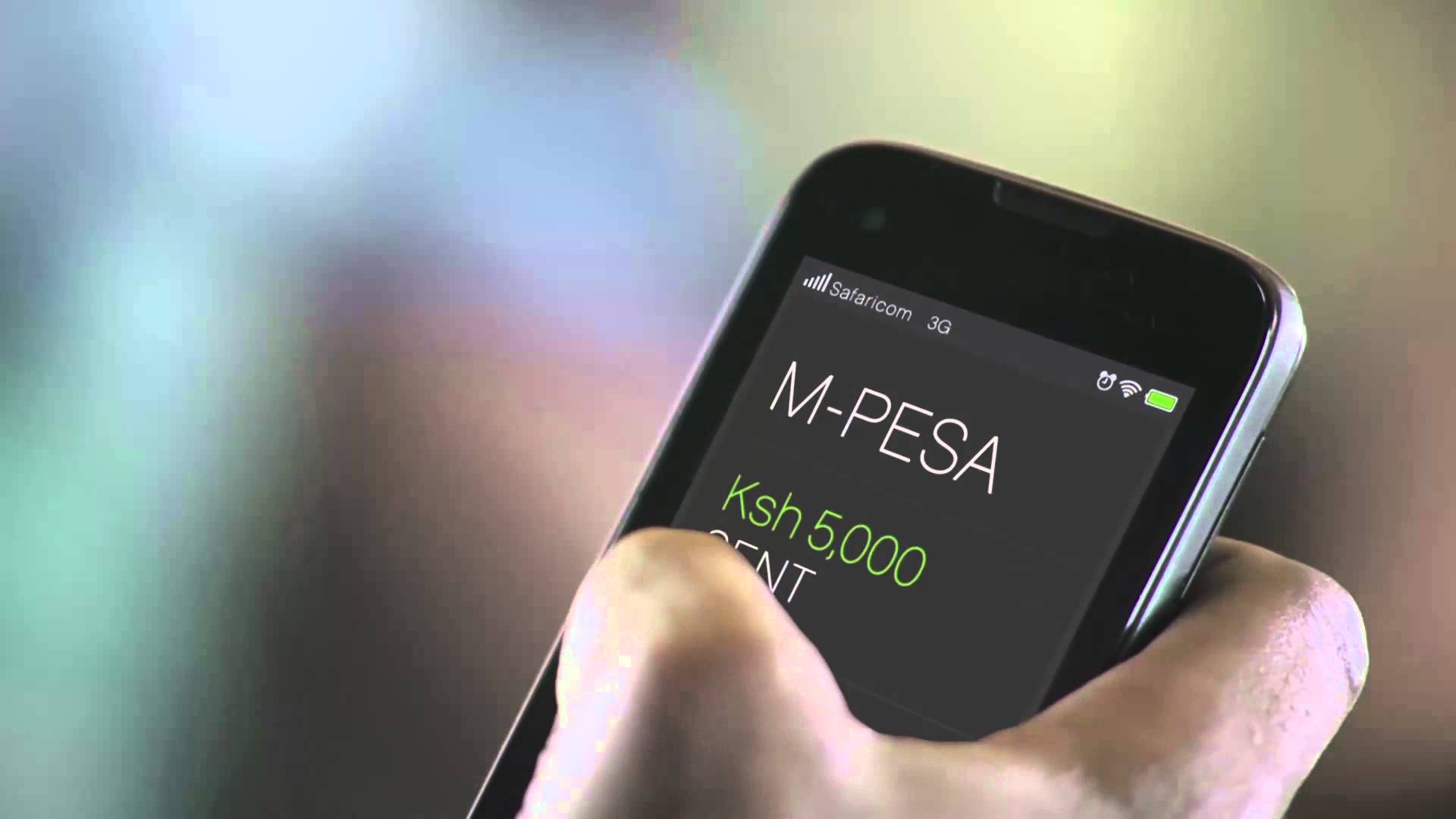
With no other choice (don’t be a hero if you ever find yourself in such a situation), you unlock your phone, open M-Pesa, and enter your PIN while your hands shake. They watch the full balance appear and tell you to send it all.
If your M-Pesa is your “mattress bank,” you’ve just become poor in a matter of seconds.
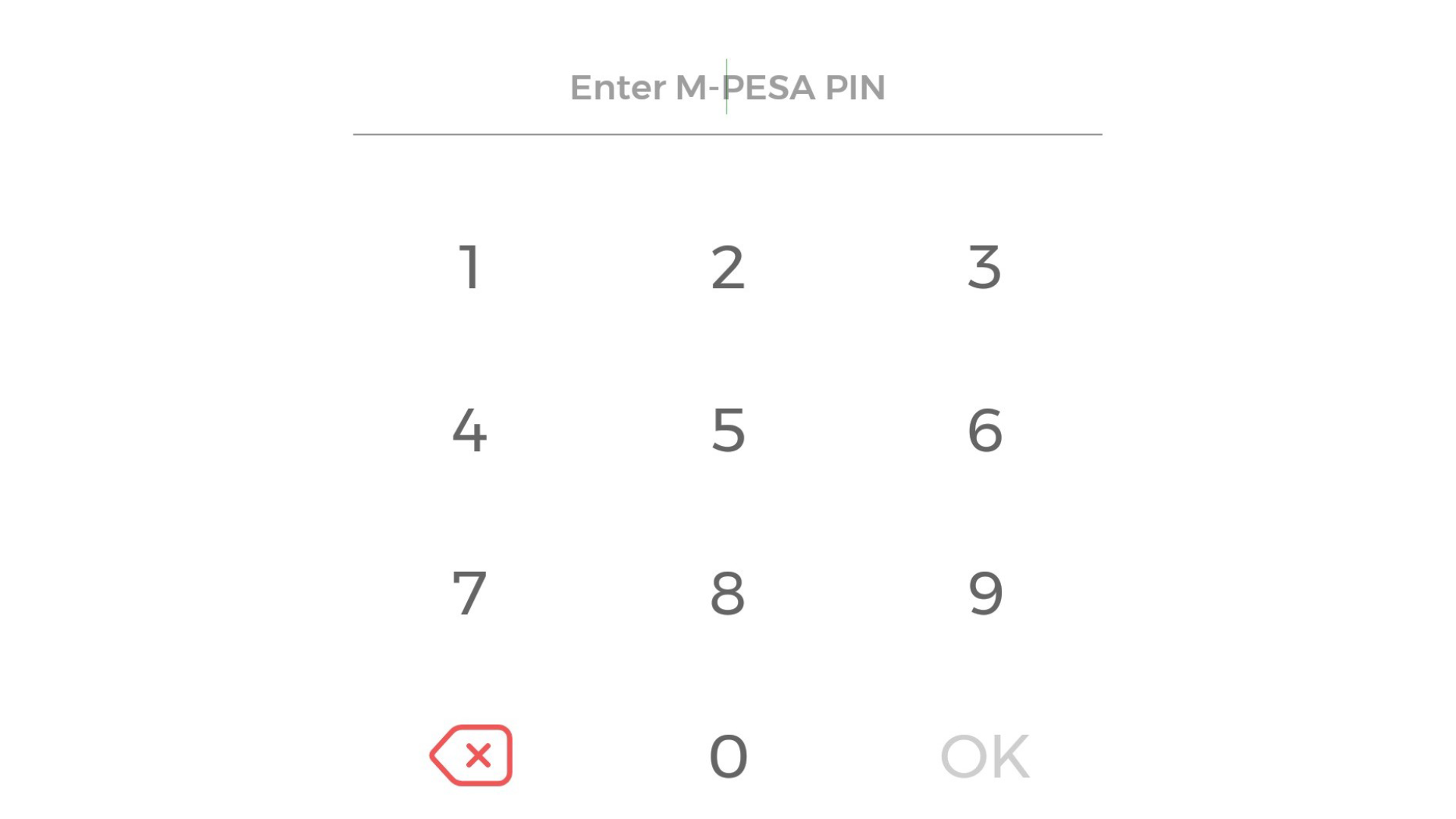
Kiunyu, however, has proposed a way that might save you financially. Normally, instead of entering your real PIN (say, 2244), you enter it backwards: 4422. The app opens normally, but instead of showing your actual balance of KES 45,000, it displays 100 bob.
The thief sees pocket change and moves on, frustrated but not suspicious. Meanwhile, the system has quietly flagged your account, locked down major transactions, and alerted Safaricom that something is wrong.
It’s an elegant proposition in theory, but the real question is whether it holds up under scrutiny.
How It Would Actually Work
The mechanics aren’t complicated. When you set up your M-Pesa account, you’d register both a standard PIN and a duress PIN. The system would recognize which one you entered.
If it’s the real PIN, your M-Pesa operates normally but if it’s your duress PIN, a chain of events sets off in the background.
On Safaricom’s end, the moment you enter that reversed PIN, the backend would need to generate a fake interface in real time. Not just a different number on the balance screen, but the entire transaction flow would need to be convincing.
If the thief asks you to send money, the system would need to pretend the transaction went through while actually blocking it. Confirmation messages would appear. The M-Pesa balance would decrease on screen. Everything would look normal.

Simultaneously, the system would need to trigger alerts. Safaricom’s fraud monitoring systems would receive a silent alarm with your location, account details, and the fact that you’re under duress.
The account would be frozen for large transactions but allow small ones to maintain the illusion. Customer care would be notified to monitor the account closely and potentially contact you through alternative channels once it’s safe.
The technical lift isn’t trivial, but it’s not science fiction either. Safaricom already maintains sophisticated fraud detection systems that analyze transaction patterns in real-time.
READ: Safaricom Sacks 113 Employees in Crackdown on Fraudulent Practices
They already have geolocation data from your phone. They already have infrastructure to freeze accounts and reverse transactions. This would be adding another trigger condition to existing systems, plus building a convincing decoy interface.
Where Ideas Meet the Real World
Kiunyu’s idea certainly sounds great until you start asking uncomfortable questions.
First, there’s the knowledge problem. If this feature becomes standard, criminals will learn about it. They’re not stupid. They read the same news, use the same apps, and hear the same street gossip.
Once everyone knows about the reverse PIN trick, the first thing a sophisticated thief does is make you enter your PIN twice. If the balance changes between attempts, they know you’re playing games.
This proposal mirrors features that already exist elsewhere. Some crypto wallets have duress modes. Privacy-focused phone operating systems include panic codes that wipe sensitive data, but those operate in different contexts.
Cryptocurrency users are a small, tech-savvy group. Banking in Kenya is universal. The moment you scale a security feature to millions of users, you also scale the knowledge of that feature to millions of potential criminals.
Second, there’s the memory problem. Kenyans already struggle with PIN management. How many people have reset their M-Pesa PIN after forgetting it? Now imagine adding a second PIN that you hopefully never need to use.
In a high-stress situation where someone’s threatening you, you’d need to remember to enter your PIN backwards. Not your actual PIN. Not some random numbers. The exact reverse of your primary PIN.
What happens when someone accidentally enters their duress PIN while buying groceries? The system locks down their account and sends alerts to Safaricom, and they can’t complete their purchase.
Customer care gets flooded with false alarms, and just like that, the feature becomes unreliable.
What Safaricom Would Actually Need to Do
If Safaricom took this seriously, they’d need to build several layers of response systems.
The immediate response would be automated. Account restrictions kick in, blocking large transfers and freezing any high-value transactions.
However, small transactions, which are the kind a thief might force you to make as a test, would need to appear to go through while actually being quarantined for later review.
We must also factor in the human response. You can’t have customer care agents calling someone who’s currently being robbed. “Hello, we noticed unusual activity on your account” is a good way to get someone hurt.
The response would need to be passive monitoring initially. Basically just track the account, watch for any unusual patterns, and wait until it’s safe to contact.
I know your next question already. How long do you wait? How do you know when the person is safe? What if the thief is still watching them an hour later? What if they’re being held hostage? What if the duress PIN was entered by accident and there’s no actual emergency?
Safaricom would need to develop protocols for each scenario. Geographic tracking could help. If someone enters a duress PIN and then their phone moves to a police station, that’s probably a genuine case.
If they enter it and then immediately start making normal transactions from home, it’s a false alarm.
Cue the data privacy advocates.
The company would also need massive customer education. Every M-Pesa user would need to understand how the feature works, when to use it, and what happens afterward. That’s over 30 million people in Kenya alone.
The marketing spend would be off the charts, and let’s not even get started on the customer care training.
The Cases Where It Might Actually Help
Still, there are scenarios where this could legitimately save someone. The opportunistic carjacker who isn’t particularly sophisticated would fall for it.
Someone who pulls a knife on the streets and demands a quick M-Pesa transfer isn’t conducting counter-surveillance on your banking app. They want cash fast, and they want to disappear. Show them 100 bob, and they curse their luck and move to the next victim.
The feature might also work as a deterrent even if it doesn’t fool everyone. If criminals know that some percentage of M-Pesa users have duress PINs and that triggering one could bring unwanted attention, it adds risk to their operation. Not every criminal wants to deal with that uncertainty.
For situations where someone is forced to make transfers over an extended period, like kidnappings or home invasions that last hours, the silent alarm aspect becomes more valuable.
Even if the thief knows about duress PINs and verifies the balance, Safaricom now has a flag on the account. They can monitor it. They can work with police. They have data about what’s happening.
Could Banks Consider It?
Financial institutions care about two things above all: liability and trust. A feature like this addresses both.
If Safaricom can demonstrate that they have security measures to protect customers under duress, they reduce their exposure when someone claims their account was compromised during a robbery. The legal department likes that.
More importantly, in a market where mobile money is ubiquitous and switching costs are low, customer protection features become competitive advantages.
Equity Bank, KCB, or any other player in the Kenyan fintech space could implement this as a differentiator. “Bank with us—we have duress protection” is a real selling point in Nairobi’s current security environment.
CBK has been pushing financial institutions to improve security and fraud prevention. A duress PIN system could tick multiple boxes in their requirements.
It’s proactive rather than reactive, and it protects customers without requiring them to report crimes immediately. Most importantly, it generates data that can be shared with law enforcement.

The Reality of Implementing This
If Safaricom decided to build this tomorrow, they’d be looking at months of development and testing. The user interface changes are pretty straightforward, and backend complexity is something they can handle. The real work is in the response systems and the edge cases.
What happens if someone enters their duress M-Pesa PIN, gets robbed, but the thief leaves them with their phone? Do they need to call customer care to un-flag their account?
What if they can’t call because they’re traumatized or injured? Does the account automatically unlock after 24 hours? What if the duress situation lasts longer than that?
What happens if a thief forces someone to call customer care and specifically instructs them to say everything is fine? The agent on the other end has no way to verify the truth. Do they have code words? Secret questions?
READ: How to Reverse M-Pesa Transactions Sent to the Wrong Number
This starts sounding like spy thriller territory, but these are real operational questions.
The testing phase would need to be extensive. You can’t just roll this out to 30 million+ users and hope it works. You’d need pilot programs. Specific user groups. Controlled testing environments. Feedback loops. Iteration.
The costs aren’t prohibitive for a company of Safaricom’s size, but they’re not trivial either. Development, testing, infrastructure, customer education, customer care training, and ongoing monitoring. You’re looking at a serious investment for a feature that most users will hopefully never need.
Either way, Kiunyu’s tweet has done what good ideas do, which is start a conversation. Kenyans are tagging Safaricom, debating the merits, sharing robbery stories, and proposing variations.
That social pressure matters because when enough customers ask for something loudly enough, companies respond.
That said, there’s a gap between “this would be cool” and “this will actually happen.” Safaricom’s innovation pipeline is full. They’re dealing with regulatory requirements, competition from other fintech players, infrastructure upgrades, and a thousand other priorities.
A duress PIN feature would need to jump the queue, and that requires more than just Twitter enthusiasm.
The realistic path forward probably involves smaller pilots. Maybe Safariom tests this with a specific user group like delivery drivers or field sales agents who handle cash and face higher robbery risk. Gather data. See if it works. Measure false alarm rates. Study criminal adaptation. Then decide whether to scale.
Regional banks and fintech startups might move faster. They have less bureaucracy and could use this as a differentiating feature. If one of them builds it and it works, Safaricom would face pressure to follow.
The idea itself isn’t going away since rising insecurity makes it relevant and the technical feasibility makes it possible. The question is whether someone with decision-making power and budget authority decides it’s worth doing.
That’s always the hard part of innovation: not having the idea but executing it.
9 out of 10 times, Twitter is a cauldron of noise makers and advertisers screaming at each other, but that one time when a real problem is identified and a creative solution is offered, that’s when the Musk-owned platform shines the most.