




Kenya has officially begun testing digital radio broadcasting. The Communications Authority of Kenya announced the activation of Kenya’s first trial Digital Sound Broadcasting (DSB) network in Nairobi.
It is designed to address growing congestion in the FM band and prepare the country for the next phase of radio evolution.
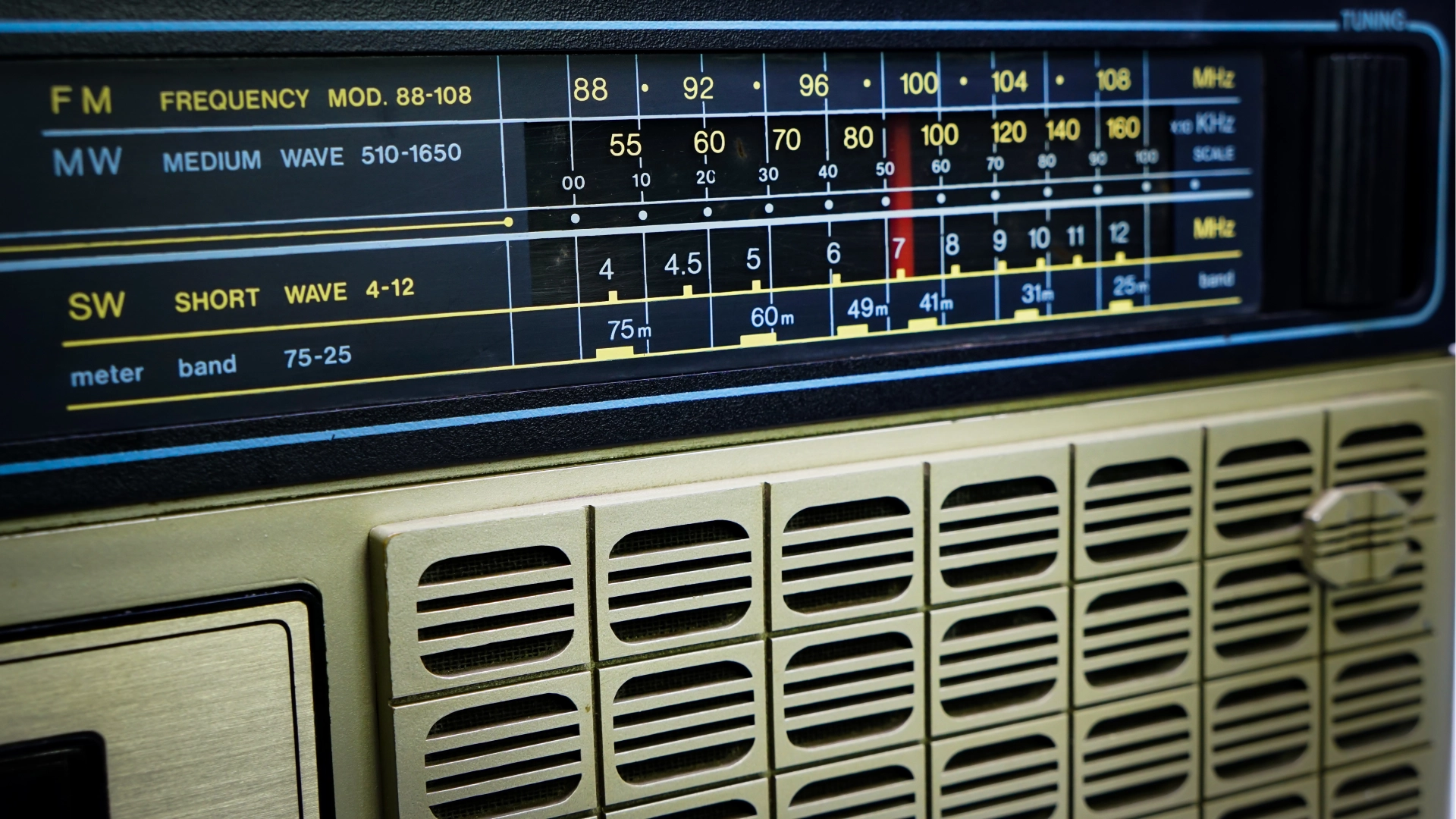
FM radio remains dominant in Kenya, reaching an estimated 98% of households and supporting around 300 licensed stations. However, in major urban areas, the FM frequency band (87.5 to 108.0 MHz) is effectively full.
This means no space for new stations, more signal interference, and poor audio quality in some areas.
Digital Sound Broadcasting (DSB) is the radio equivalent of digital television migration. Instead of transmitting one station per frequency, digital systems allow multiple radio stations to be bundled into a single frequency block.
In 2025, the regulator authorized two companies to deploy trial networks. In January 2026, Mast Rental Services became the first to activate a DAB+ trial network in Nairobi. The network is already carrying 14 radio programs within the capital.
This changes how radio works in Kenya. Under the new system, radio stations focus on creating content while separate companies manage the transmission equipment. Multiple stations share the same transmitter, which reduces costs.
READ: Radio and TV Still Reach 73% of Kenyans as Digital Media Continues to Rise
This leads to lower broadcasting fees, more space for new stations, and stronger opportunities for community radio. Smaller stations that could not afford FM transmission can now get on air.
Listeners will get clearer sound, less interference, and more stations to choose from. Digital radio can also display information like song titles and news headlines.
The catch here is, much like you needed a decoder to switch from analog to digital TV, you’ll need a DAB+ radio to listen in. The current FM radio won’t pick up digital signals.
READ: Kenya Sets New Rules for Digital TVs Starting Next Month
Communications Authority has also confirmed that FM radio isn’t going anywhere, at least for now. Digital radio will run alongside FM, and so far there’s no switch-off date for FM stations.
The Nairobi trial runs for 12 months, and during this time, the regulator will check signal coverage, sound quality, how affordable the new radios are, and whether people actually use them. If it works, digital radio will expand to Mombasa, Kisumu, and other major towns.