







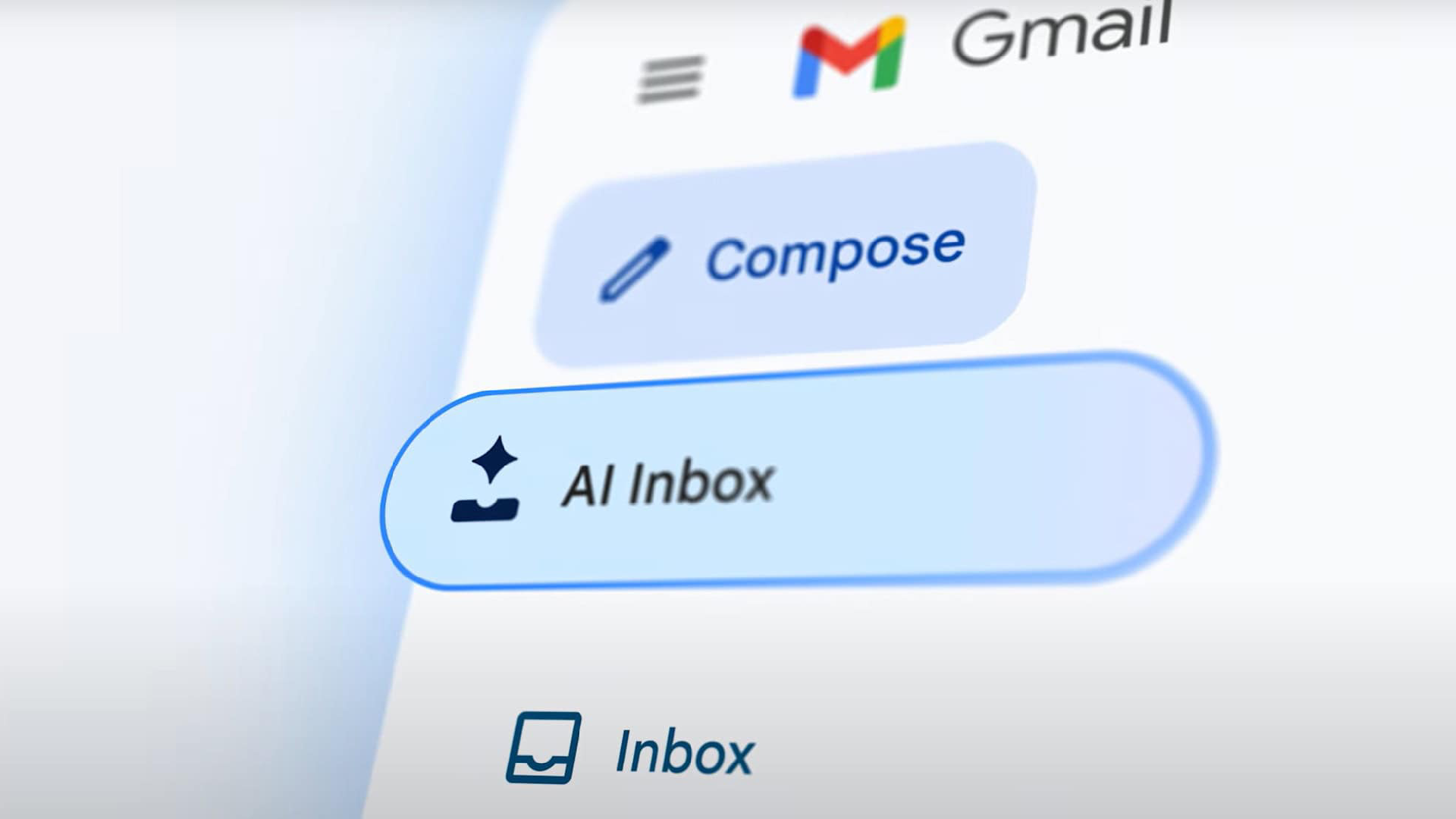
When Google introduced AI Inbox in January, the goal was that Gmail, used by over 3 billion people worldwide, needed a smarter way to handle the volume.
The answer is AI Inbox, a new interface powered by Gemini 3 that sits above the regular inbox and reorganizes email around summaries, suggested tasks, and topic clusters rather than the chronological message list users have known since 2004.
Instead of opening to the usual pile of unread messages, AI Inbox gives users a quick summary of what landed in their inbox and splits it into two groups: things that need attention now, like an unpaid bill or an upcoming appointment, and everything else that can wait.
Google says it is not using the content of those emails to train its AI and that all the processing happens in a closed environment where the data stays put. Users can switch the feature off in settings, though doing so comes with a catch that is worth knowing about.
After months of quiet testing, the feature went into beta at the end of March 2026, but only for subscribers on Google AI Ultra, which costs $249.99 a month.
AI Inbox is not the only thing that changed. Gmail can now read through a long back-and-forth email thread and give a quick summary of what was said, saving users the trouble of scrolling through every reply.
Users can also ask their inbox a direct question and get an answer pulled from their emails. On top of that, Google added tools to help with the writing side: one that drafts or polishes emails, one that suggests quick replies, and one that checks grammar and tone.
For Google AI Pro and Ultra subscribers, there is a more advanced version that lets users ask questions like “Did Wanjiru confirm the meeting for Thursday?” or “What did the supplier from Industrial Area quote for the last order?” Gmail then scans the entire inbox to find the answer.
Smart Replies has also been renamed to Suggested Replies and now tries to match how a user actually writes. Paid subscribers also get a proofreading tool that checks word choice and tone.
READ: Google Rolls Out AI Cleanup Tool on Web for Messy Gmail Inboxes
Google says the push is backed by its own data that most Gmail users want AI that works with their content, not a generic assistant.
The company is quietly making itself harder to leave. The more a user relies on Gemini to sort their inbox, the more disruptive it becomes to switch to anything else, which is the intention.
It also puts pressure on smaller email apps that have offered AI features for a while. The difference is that Google’s AI does not just see your email. It can connect a bill in your inbox to a date on your calendar or a figure in a spreadsheet, something a standalone email app simply cannot do.
Social media algorithms have been deciding what you see in your feed for years. Now Google is bringing that same logic to your inbox, and the stakes are higher.
A misfiled post is annoying. A missed email from your bank or a lost message from an important contact is a different problem entirely.
The shift also marks a quiet end to Inbox Zero, the idea that a well-managed inbox was a sign of a disciplined professional. Google is betting that most people are now too buried to want that discipline back.
For now, only the highest-paying subscribers have access, which means the people testing this with real, high-stakes email are also the ones who can least afford a mistake. How Google handles that before opening it up to everyone is the question worth watching.