




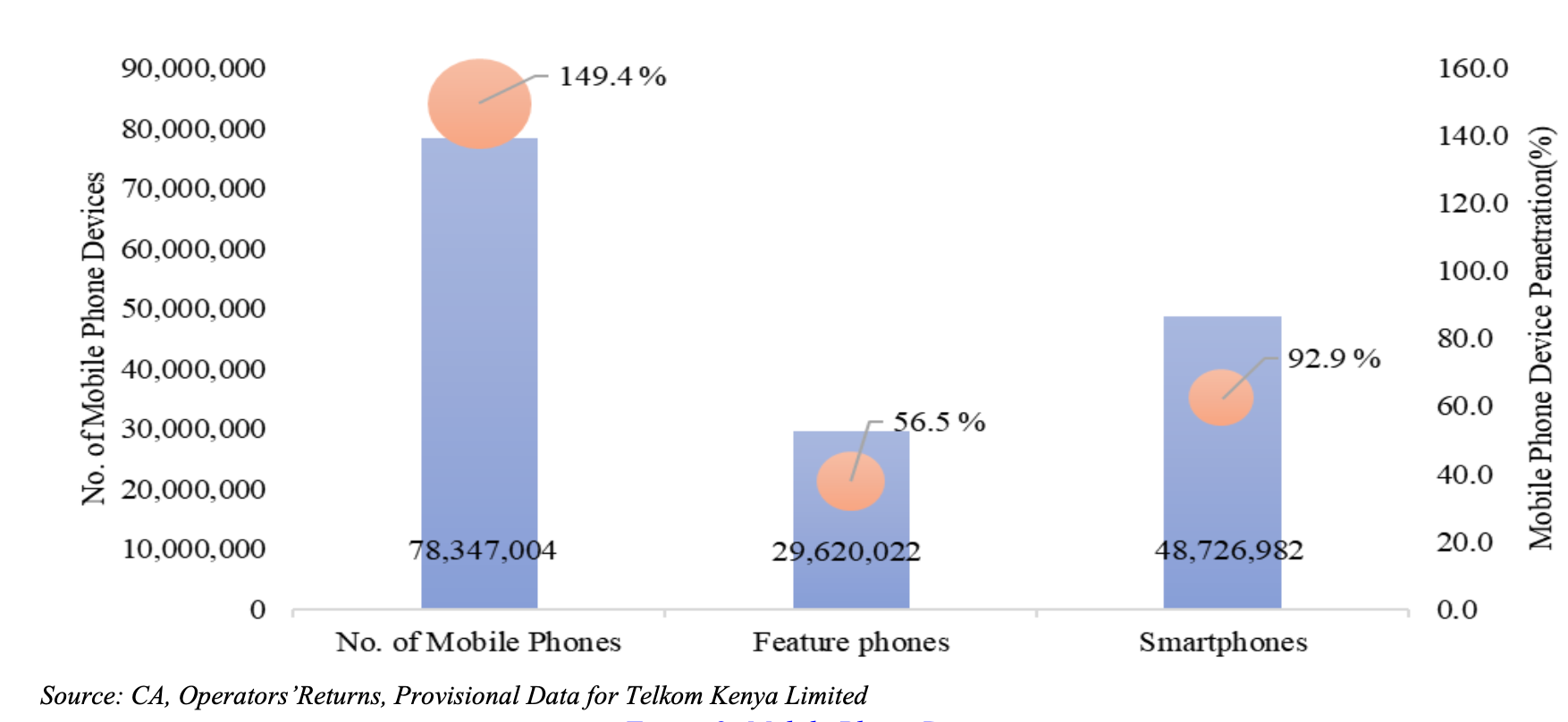
At the end of December 2025, Kenya had 78.3 million mobile phones connected to its networks. Of those, 48,726,982 were smartphones and 29,620,022 were feature phones.
Smartphones now outnumber feature phones by nearly 20 million devices, and the gap is widening every quarter.
One year earlier, in December 2024, there were 34,782,128 smartphones and 12,709,372 on 2G, which is the dominant network for feature phones. The shift has accelerated sharply.
Between September and December 2025 alone, the number of smartphones grew by 4,073,657 while feature phones fell by 776,465.
Smartphone penetration now sits at 92.9%, meaning that out of every 100 mobile phones on Kenyan networks, almost 93 are smartphones. Meanwhile, feature phone penetration has dropped to 56.5%.
What’s Driving the Switch From Feature Phones to Smartphones?
The obvious explanation is price. Entry-level Android smartphones in Kenya are now available for under KES 5,000 from manufacturers including Tecno, Itel, and Infinix, all brands that have specifically targeted the African market with affordable hardware.
The price gap between a basic smartphone and a basic feature phone has narrowed to a point where the smartphone often wins on value.
However, the switch isn’t happening in isolation. It’s being pulled forward by services that only work (or work much better) on a smartphone.
Mobile money has reached a penetration rate of 98% in Kenya, meaning almost every adult mobile user has a mobile money account.
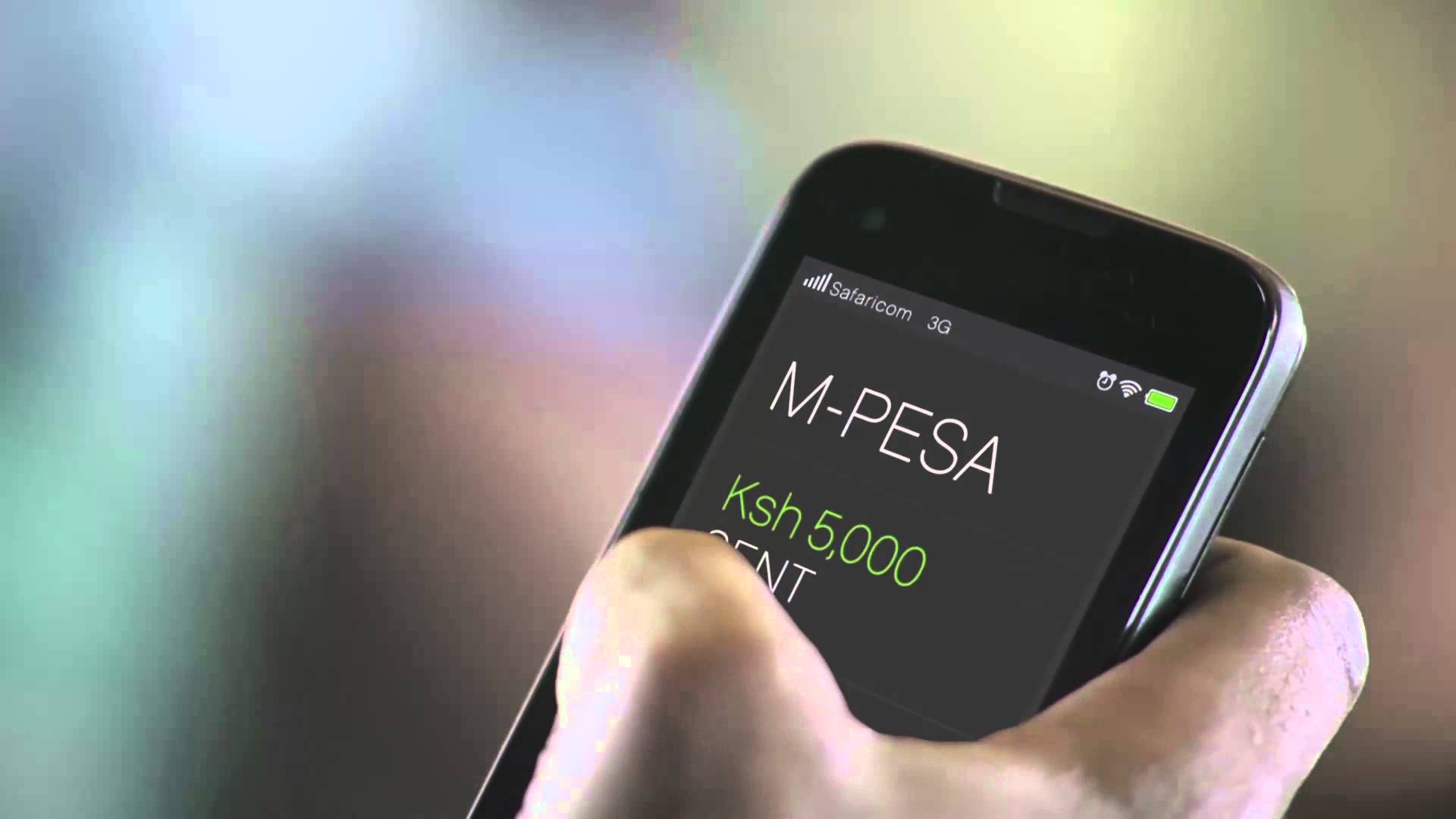
While M-Pesa’s basic USSD service works on feature phones, the app-based experience, including access to loans, savings products, and merchant payments through QR codes, requires a smartphone.
The same applies to internet-based messaging, which the data suggests is actively replacing SMS.
The 2G and 3G Collapse
Mobile data subscriptions by network generation tell the clearest story. In December 2024, Kenya had 12,709,372 mobile data subscriptions on 2G. By December 2025, that had fallen to 10,444,616.
Over the same period, 4G subscriptions grew from 34,782,128 to 44,158,342, a gain of roughly 9.4 million in twelve months. 5G, while still a small segment at 1,735,042 subscriptions, grew 71.6% in a single year.
3G tells its own story. It peaked somewhere between these measurement points and is now declining too, with subscriptions falling from 5,686,498 to 5,656,599 between September and December 2025.
The middle ground is disappearing. People are either on older 2G networks, which are mostly feature phone users, or they’ve jumped to 4G.
Additionally, data consumption numbers per subscription reveal why the shift matters beyond the device count. The average mobile broadband user consumed 14.6 GB in the quarter.
4G users consumed an average of 14.1 GB. Yet, 5G users averaged 46.4 GB, more than three times higher.
This gap reflects both the capability of the network and the behavior it enables. When download speeds stop being a bottleneck, consumption habits change.
Video streaming, video calls, and large file transfers become routine rather than occasional. The 5G base is still small, but its consumption pattern suggests what 4G users will do as 5G coverage expands.
The Feature Phone Isn’t Dead Yet
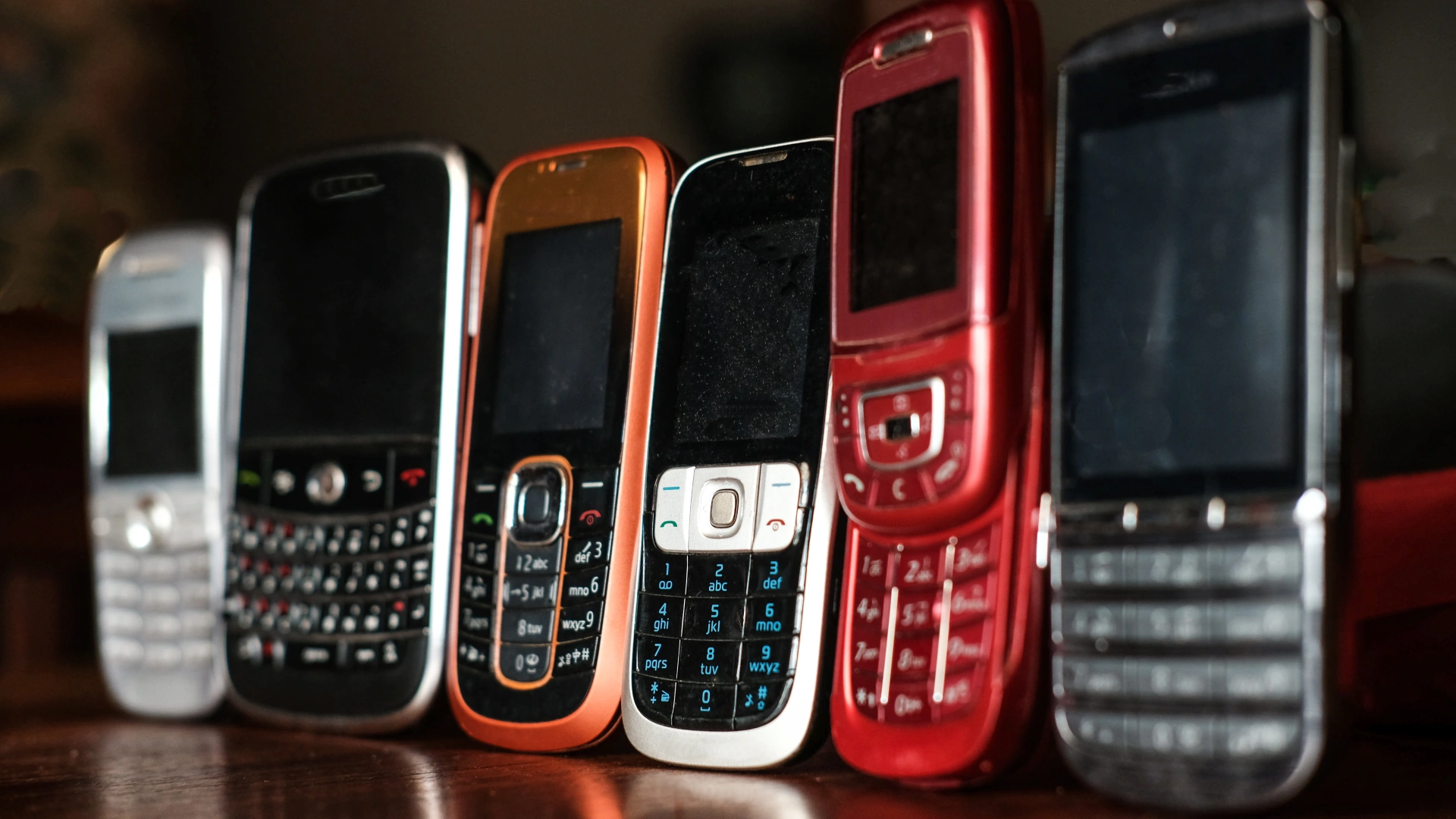
29.6 million feature phones is not a trivial number. These devices remain important for a significant portion of Kenya’s population, especially in rural areas and among older users who use basic voice calls and USSD-based services as their primary mobile activities.
The Postal Corporation of Kenya and mobile money providers have specifically maintained USSD interfaces for this reason.
That said, the trajectory is clear, and there’s no sign of reversal. Feature phone subscriptions have declined every quarter in the available data. The services being built – for banking, for commerce, for government, for health – are being built with smartphone interfaces in mind.
The feature phone will persist in Kenya for years, but it is gradually becoming infrastructure for a shrinking segment rather than the mass market it once represented.
The country that in 2007 launched M-Pesa specifically because most of its population lacked smartphones has, in under two decades, become a country where smartphones are the majority device.
That is a major structural shift in what’s possible for the average Kenyan with a mobile phone.