






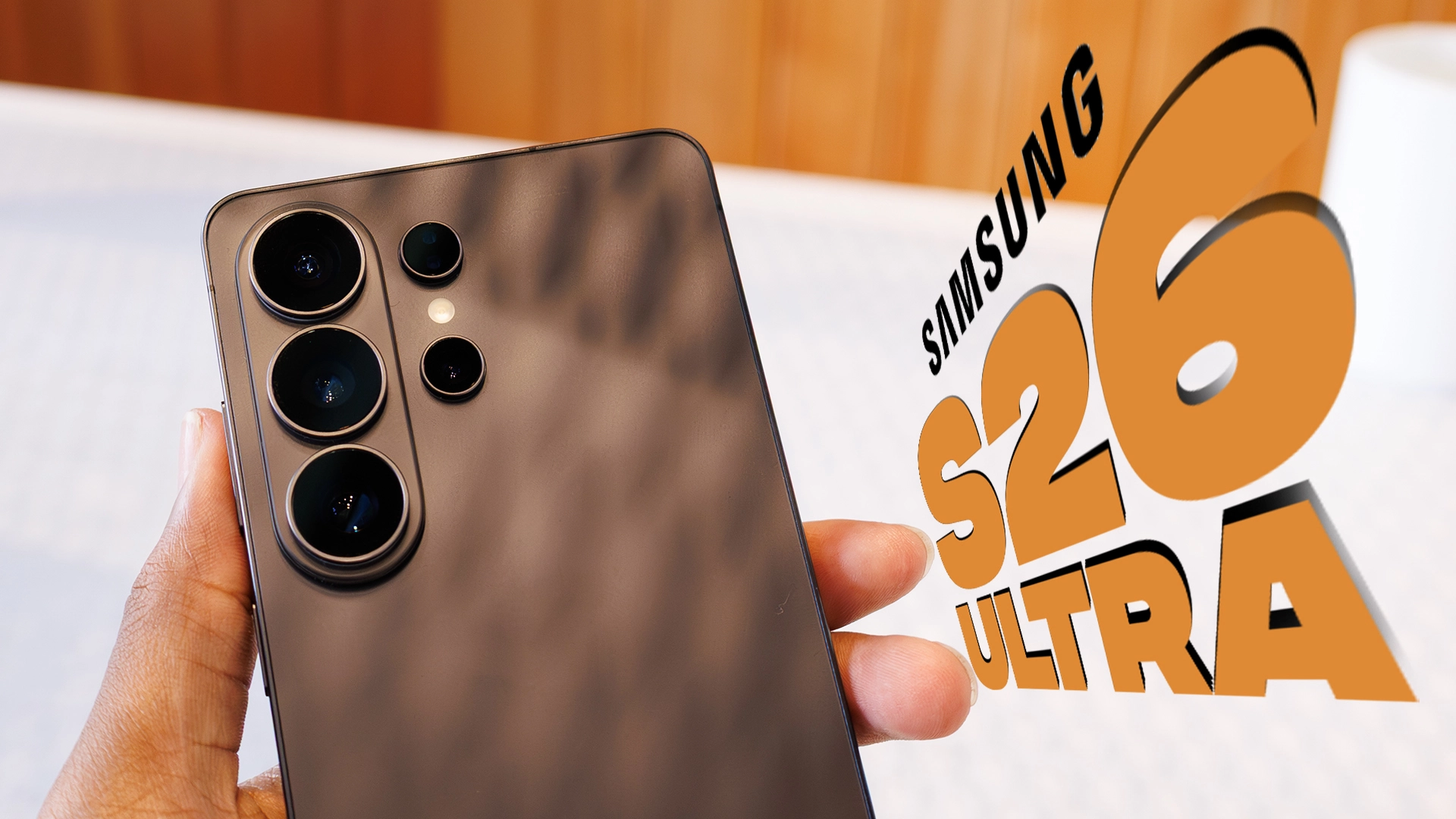
There’s a specific kind of confidence that comes from not needing to prove anything. The Samsung Galaxy S26 Ultra walks into 2026 the same way a seasoned boxer enters a ring, which is unhurried, composed, and fully aware that the only real competition is itself.
At KES 171,400 for the 256GB version and KES 197,300 for the 512GB, this phone makes no apologies for what it is: the most fully loaded Android flagship on the market, a device that wants to be the last phone you’ll think about for at least four or five years.
The question worth asking isn’t whether the S26 Ultra is impressive. It is. The question is whether “impressively similar to last year, but better in most of the right places” is enough to justify one of the highest price tags in consumer smartphones.
After spending two weeks with it, the answer is, “It depends on what you’re replacing.”
Design and Build: Lighter, and With Good Reason
Yes, Samsung switched back to aluminum. The titanium frame that defined the last two Ultra generations is gone, replaced by what Samsung calls Armor Aluminum. The company will tell you this was about weight reduction and thermals. Both things are true.
It’s also cheaper to produce than titanium, which matters when you’re trying to hold the line on price while component costs rise – and Samsung did hold the line, keeping the S26 Ultra at the same price as its predecessor.
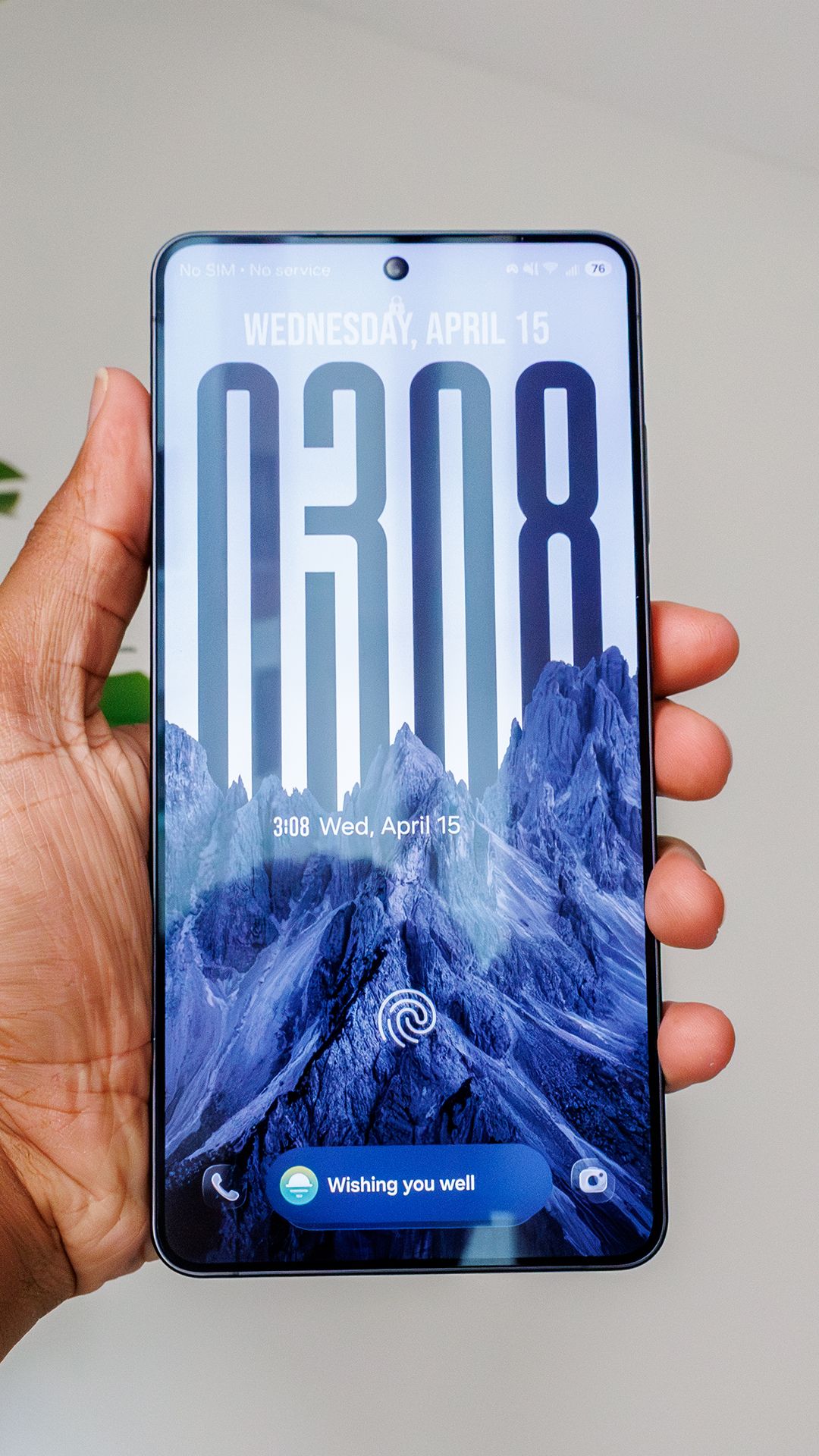
The practical effect is that the phone drops from 218g to 214g and sheds 0.3mm of thickness. These are not dramatic changes on paper, but the S26 Ultra is a large phone with a 6.9-inch screen, and at this scale, even marginal weight reductions translate to a more comfortable extended session.
The aluminum also allows Samsung to return to anodized color options. We got the Midnight Black option, but I’d have loved to see the Cobalt Violet.
When it comes to build, everything feels premium throughout. Gorilla Armor 2 on the front incorporates ceramic for both scratch resistance and anti-reflective properties.
Gorilla Glass Victus 2 covers the back. The S Pen is still here, tucked into its silo in the lower corner, still the best stylus on any phone, and still lacking the Bluetooth connectivity that would let it double as a camera remote, but we will let that slide.
The Privacy Display: The One Genuinely New Thing
Samsung has a habit of loading its phones with features that sound more transformative in a press release than they feel in daily use. Privacy Display is different.
It’s a hardware-software integration built into the AMOLED panel itself, allowing the phone to go near-black for anyone viewing from an angle wider than roughly 45 degrees off-center.
Unlike screen protectors that use an adhesive film and subsequently degrade touch sensitivity, the Privacy Display feature is just a toggle in the quick settings.
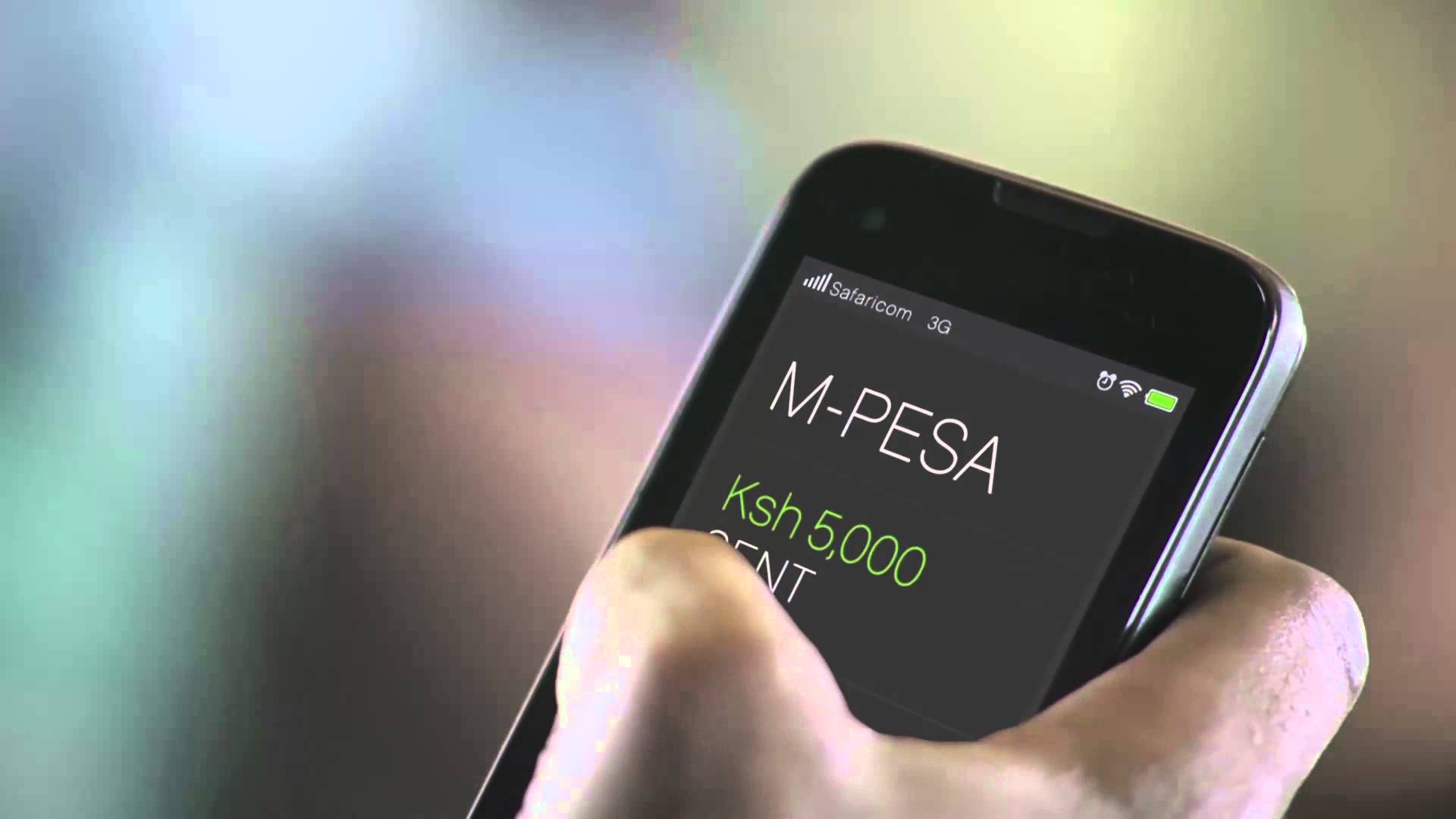
In practice, it works exactly as advertised. Reading messages on public transport, reviewing sensitive documents in a crowded room, or paying for items using M-PESA, the feature earns its place quickly.
There’s a standard privacy mode that dims the display for onlookers and a maximum privacy mode that essentially blacks out the screen for anyone not looking directly at it.
The trade-off in maximum mode is that contrast takes a visible hit. The standard mode is more livable for extended use.
You can restrict Privacy Display to specific apps, enabling it automatically for your banking app while leaving it off for everything else, which is the configuration most people will land on.
Samsung hasn’t yet tied it into Galaxy AI to auto-enable based on context, which feels like an obvious next step. Maybe we’ll get an update on this soon.
Performance: The Benchmark Phone
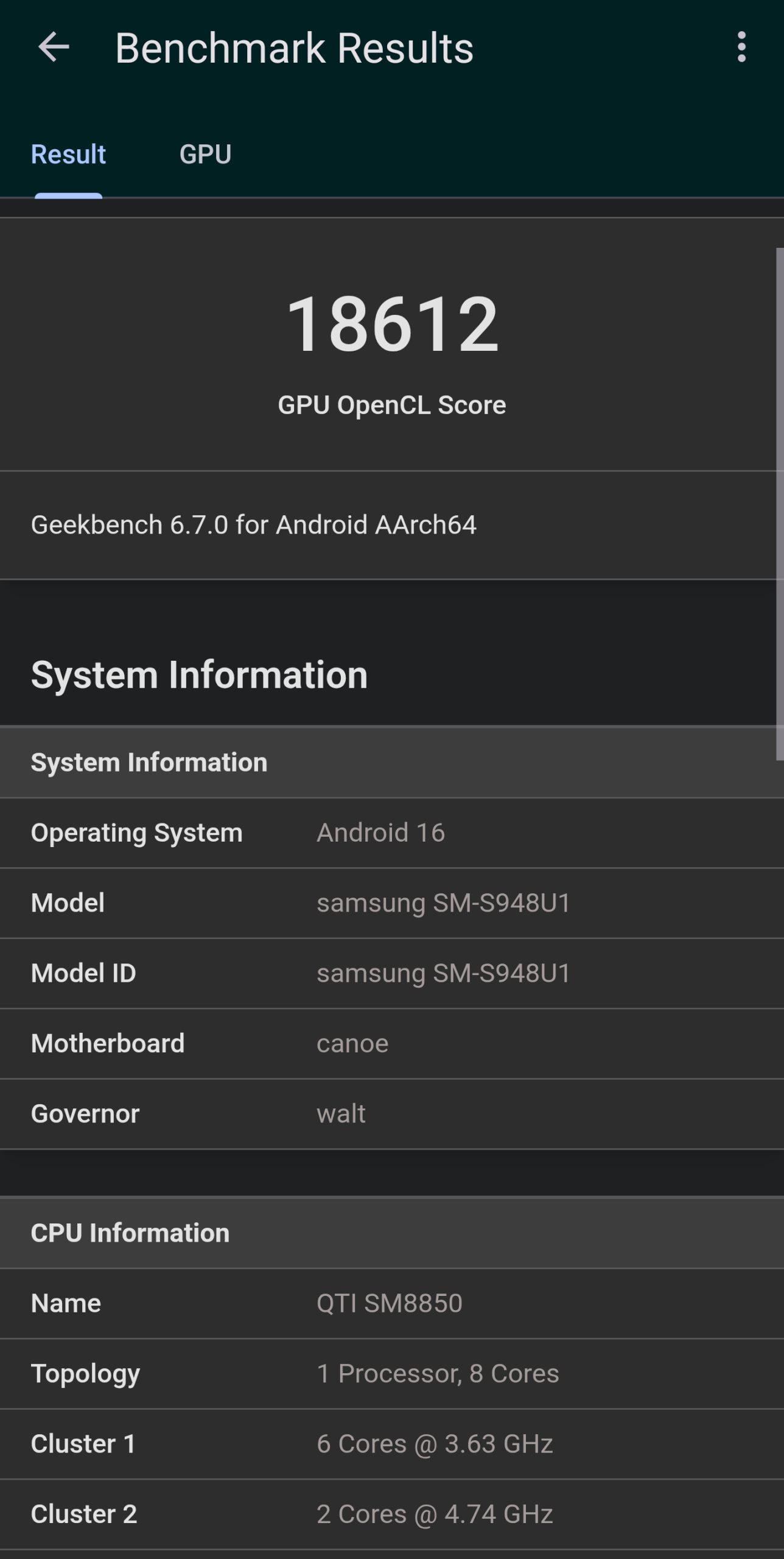
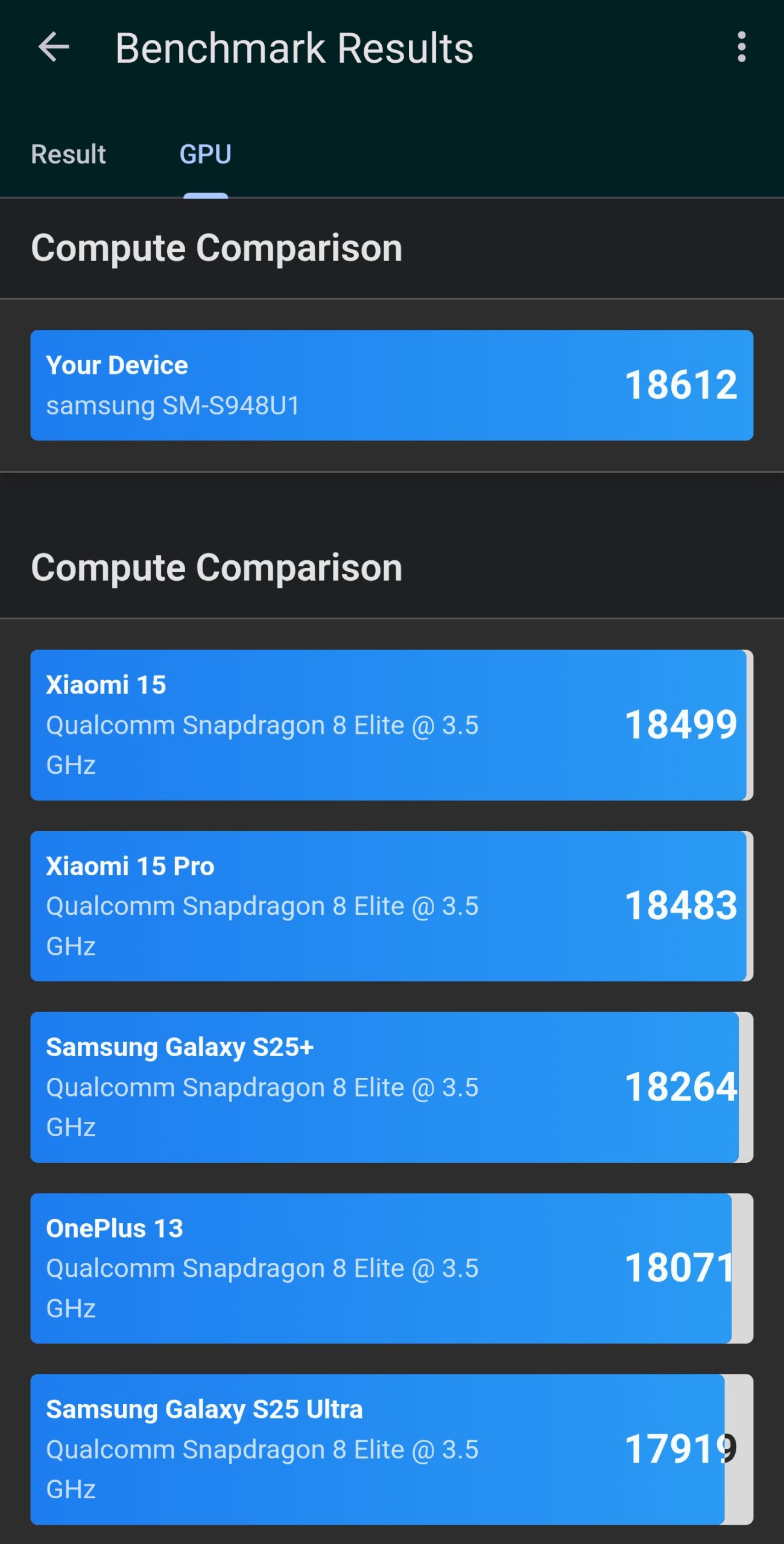
The Snapdragon 8 Elite Gen 5 for Galaxy is currently the fastest mobile chip available, and Samsung’s custom tweaks push it slightly ahead of the standard variant.
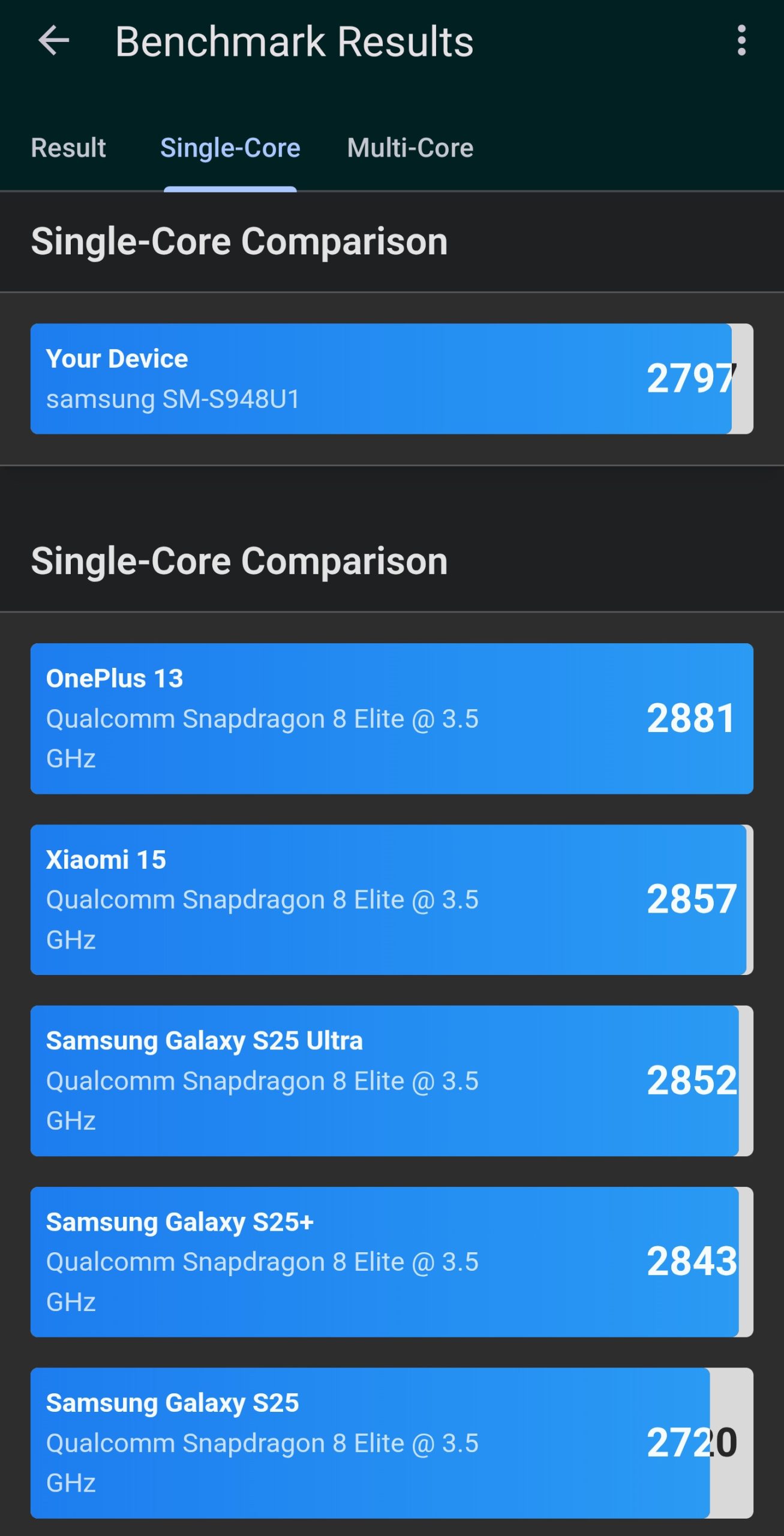
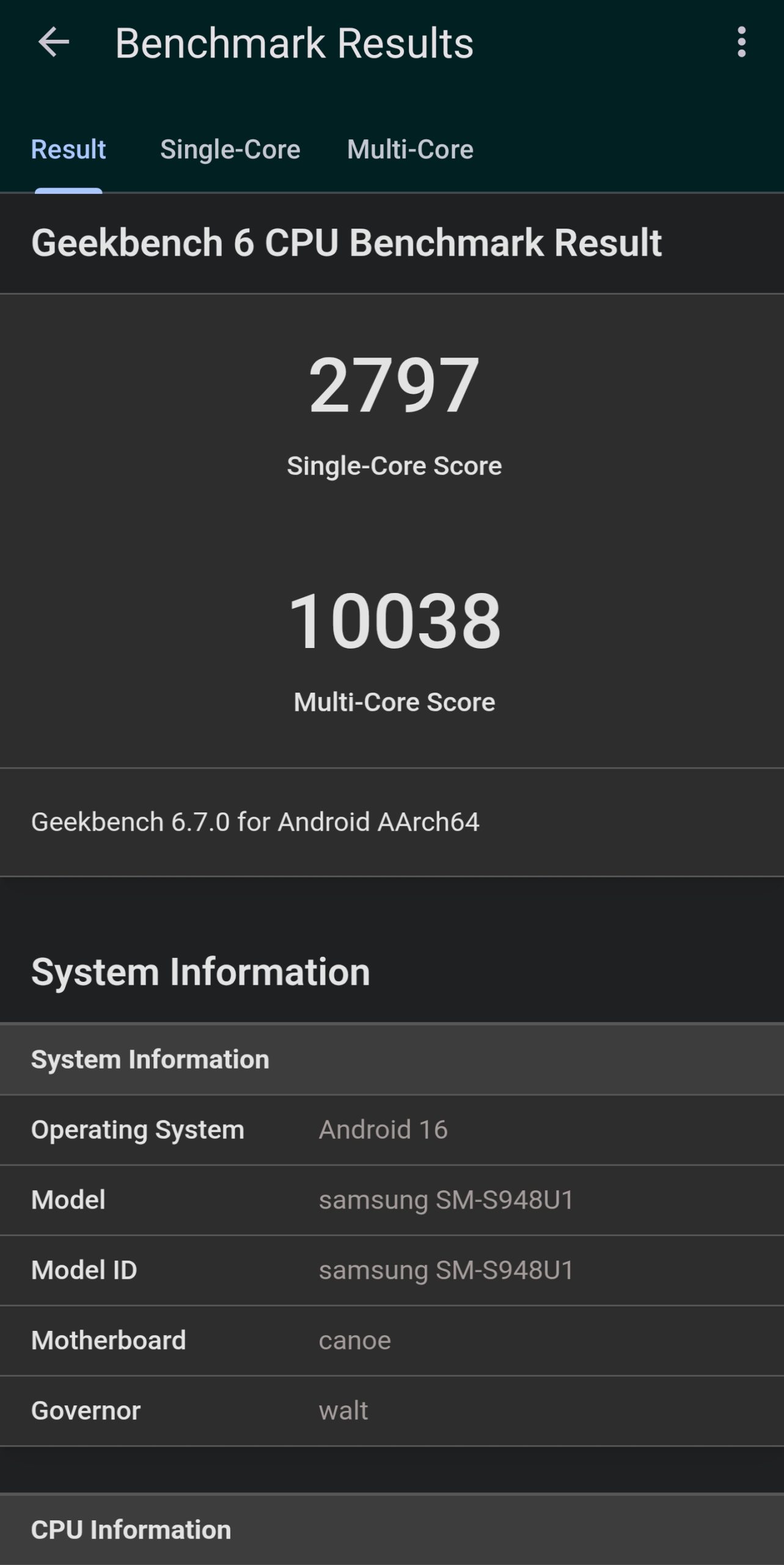
In everyday use, this translates to app launches that feel instantaneous, no perceptible lag switching between heavy applications, and gaming performance that has no obvious ceiling for anything currently on the Play Store.
Sustained performance is better than previous Ultra models. An upgraded vapor chamber and the thermal properties of the aluminum chassis mean the phone handles extended gaming sessions without any aggressive throttling.
Under maximum stress, it still sheds around 40% of GPU performance, but even throttled, it outperforms Google’s current flagships in graphics-heavy workloads.
Battery life is adequate. The same 5,000 mAh cell from previous Ultra models will get most users through a full day of varied use, but “most users” does real work in that sentence.
Heavy use such as GPS navigation, extended photography, or 4K video will have you reaching for a charger before the day ends. In a world where the OnePlus 15 packs a 7,300 mAh battery, “adequate” is not a winning position for the most expensive Android phone in the room.
The upgrade to 60W wired charging (from 45W) makes topping up faster, but it doesn’t change the underlying math.
Cameras: Excellent, With One Soft Spot
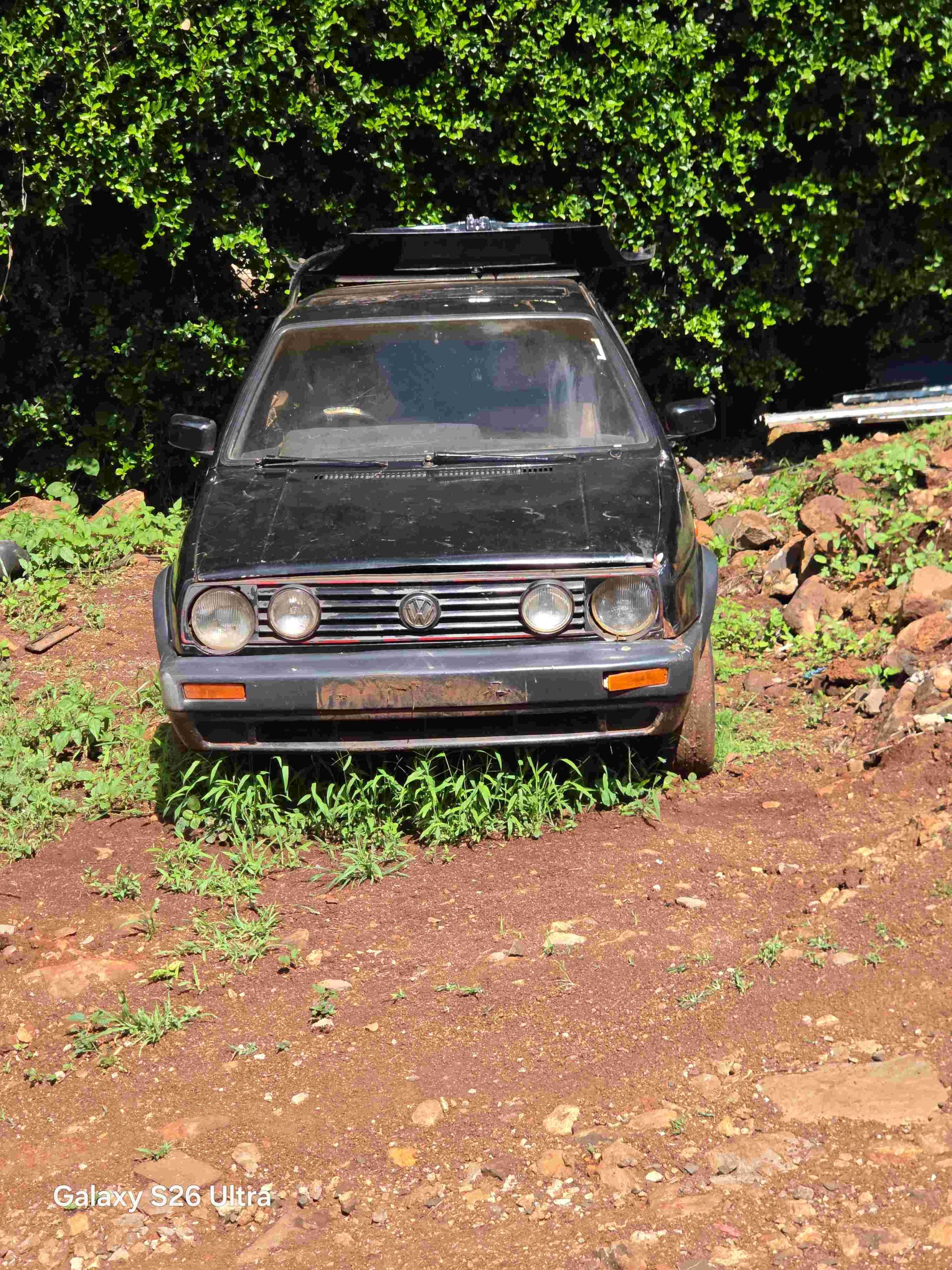
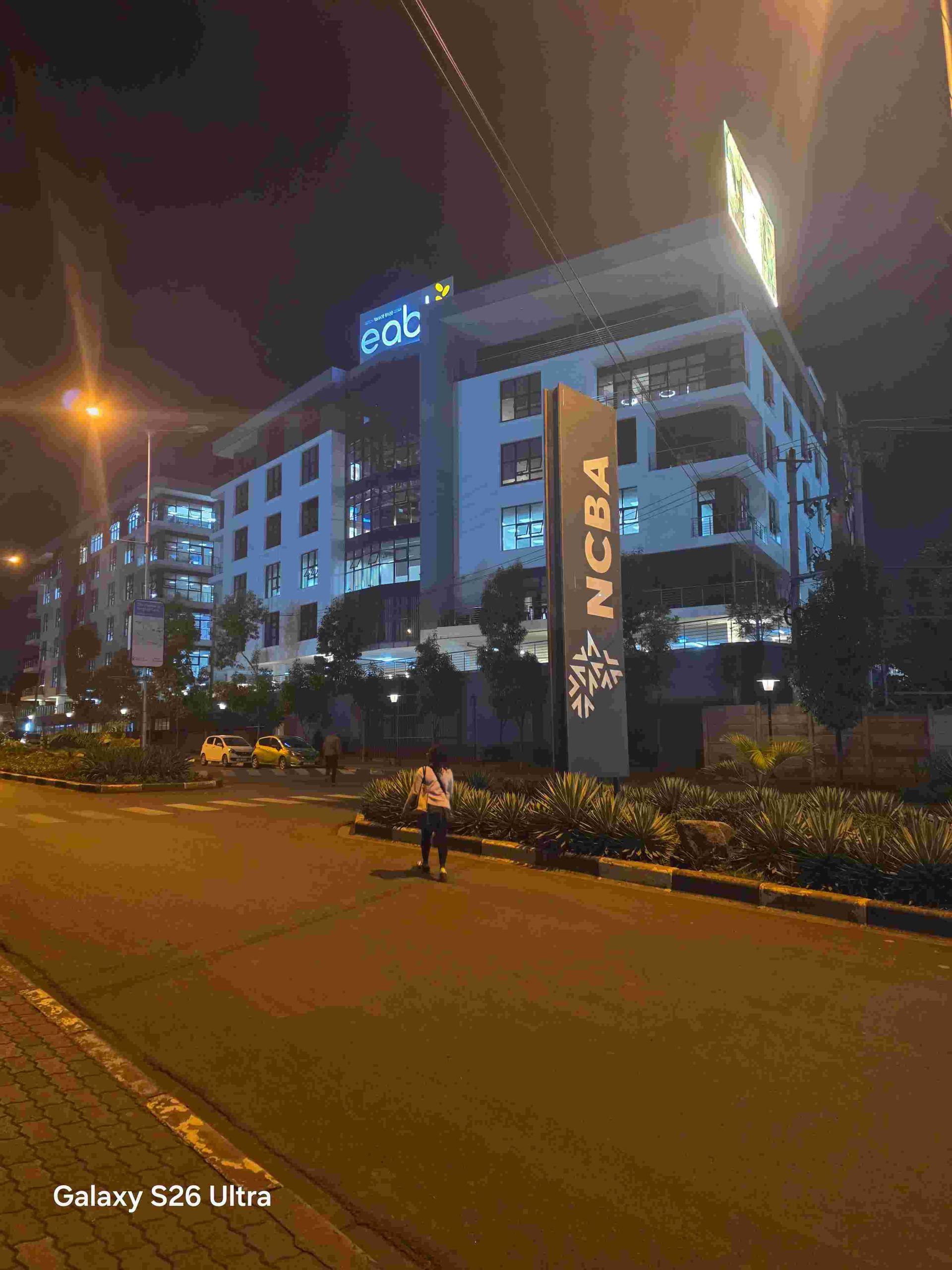
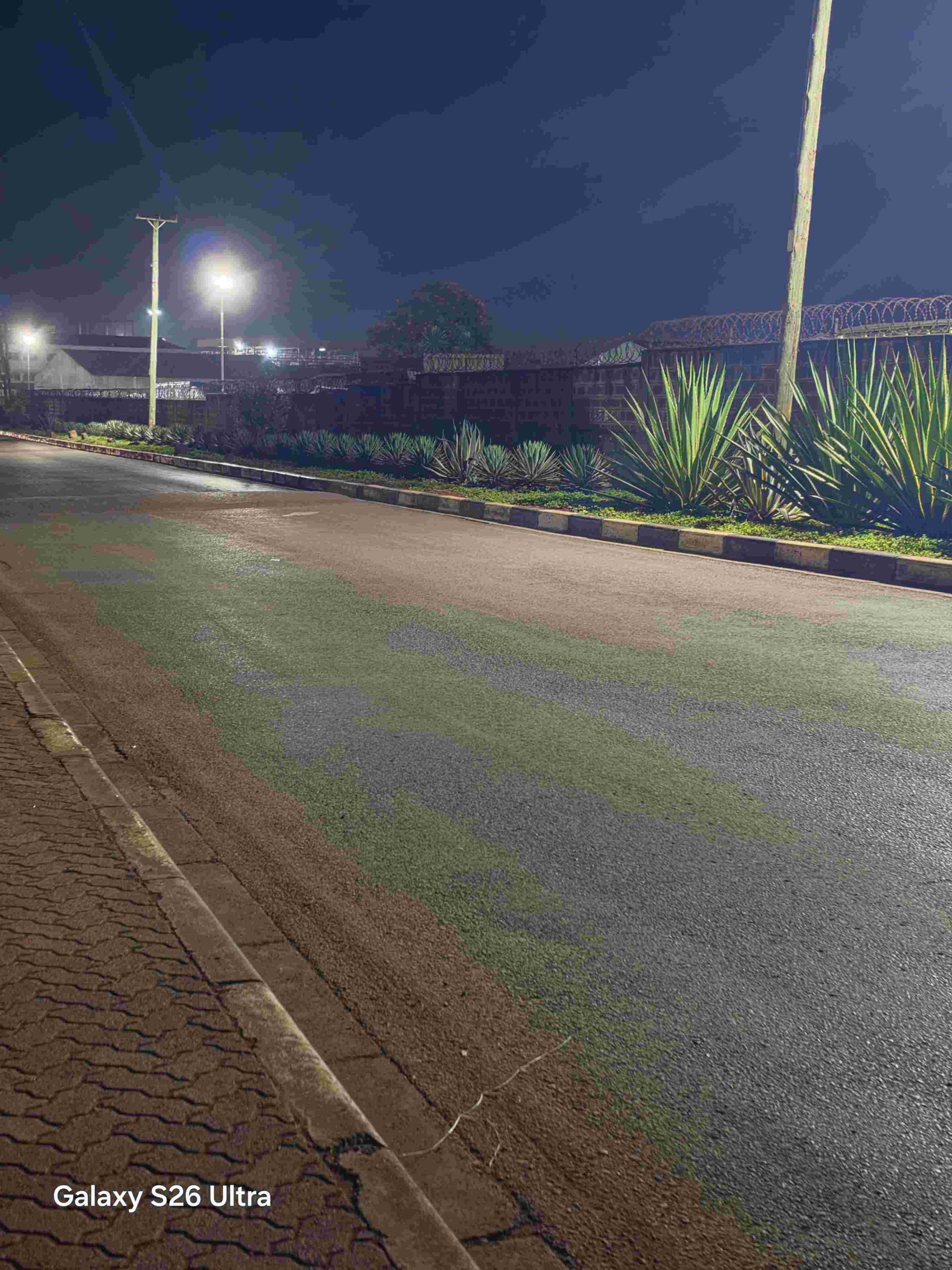
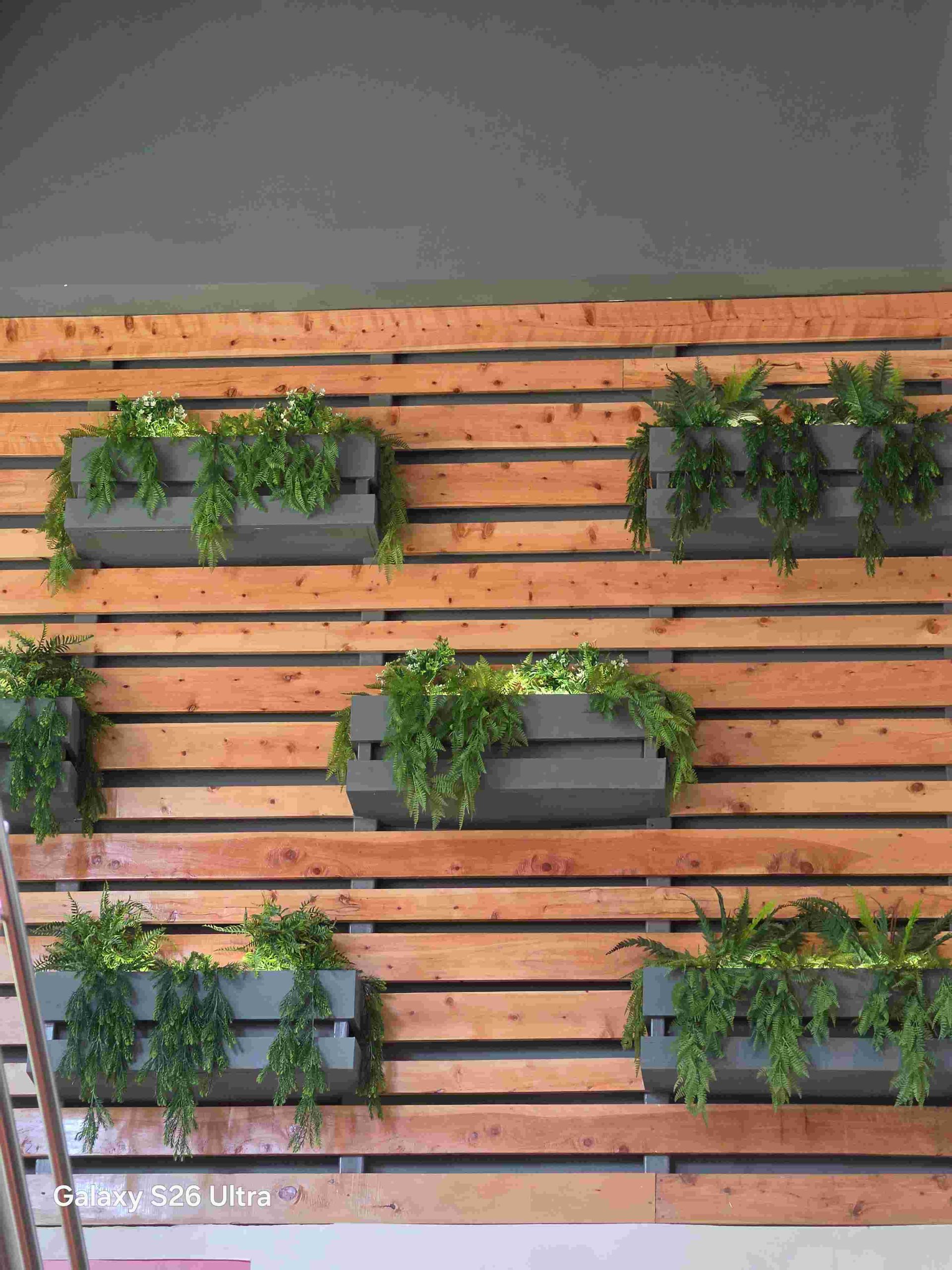
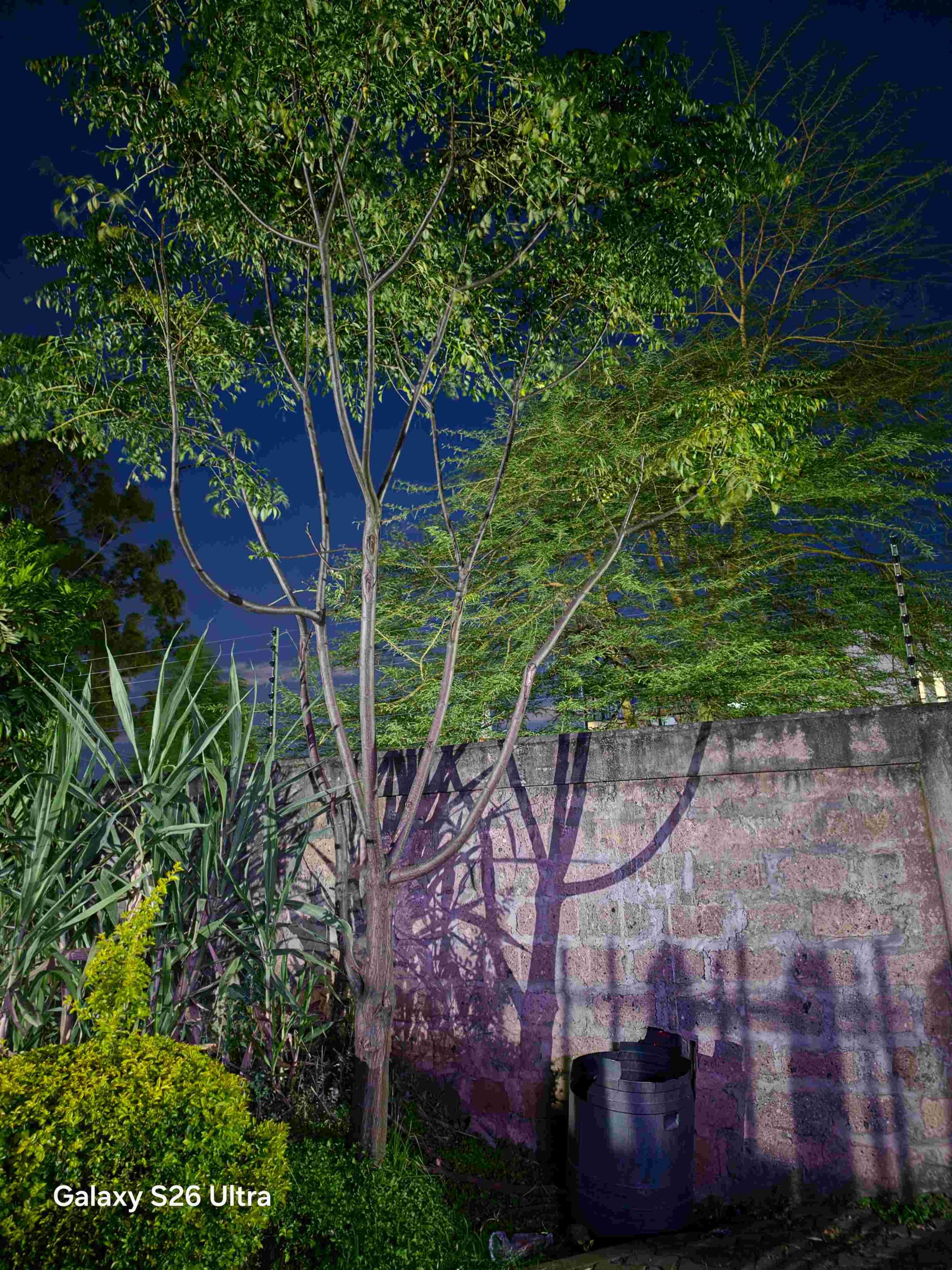
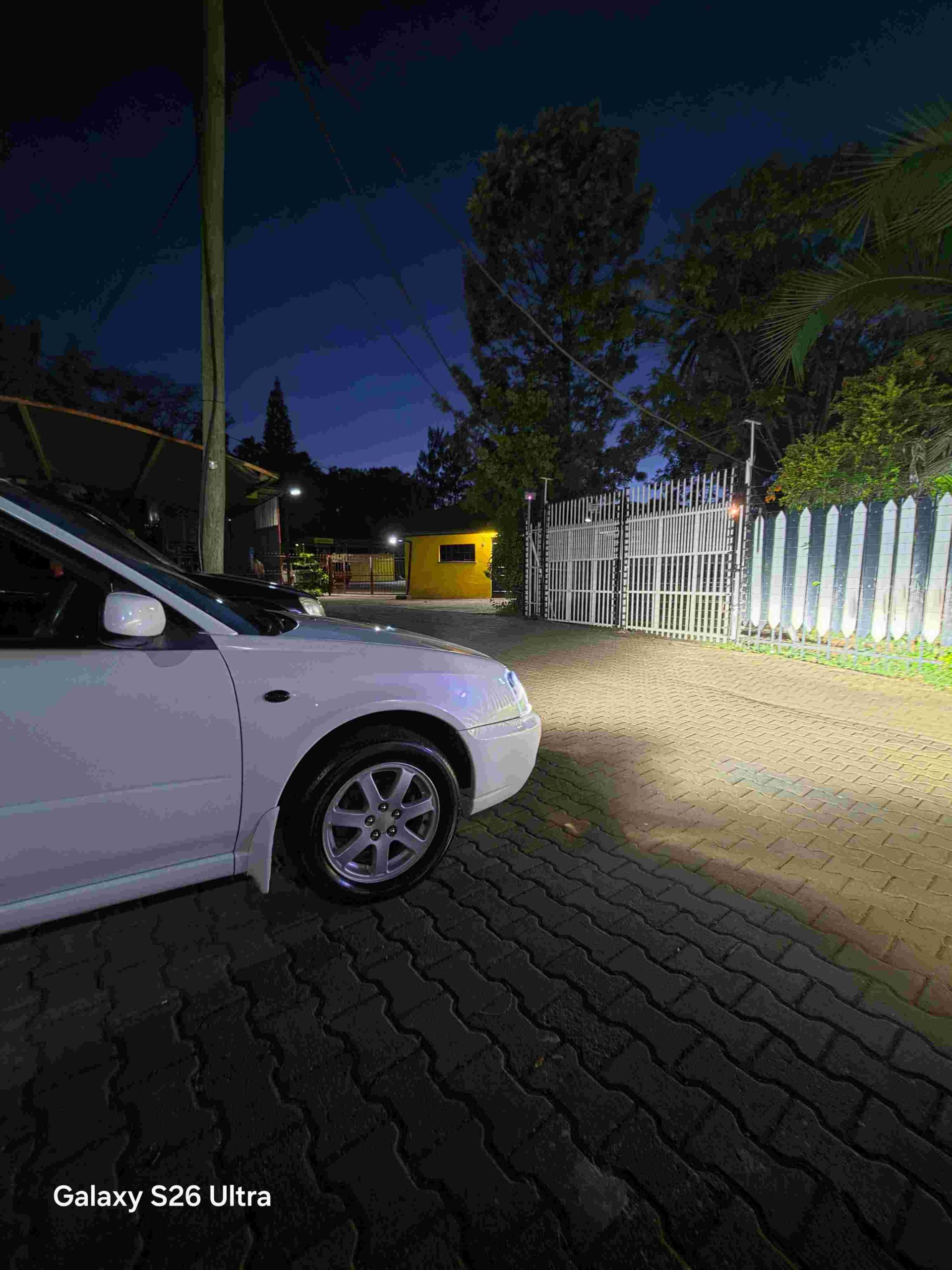
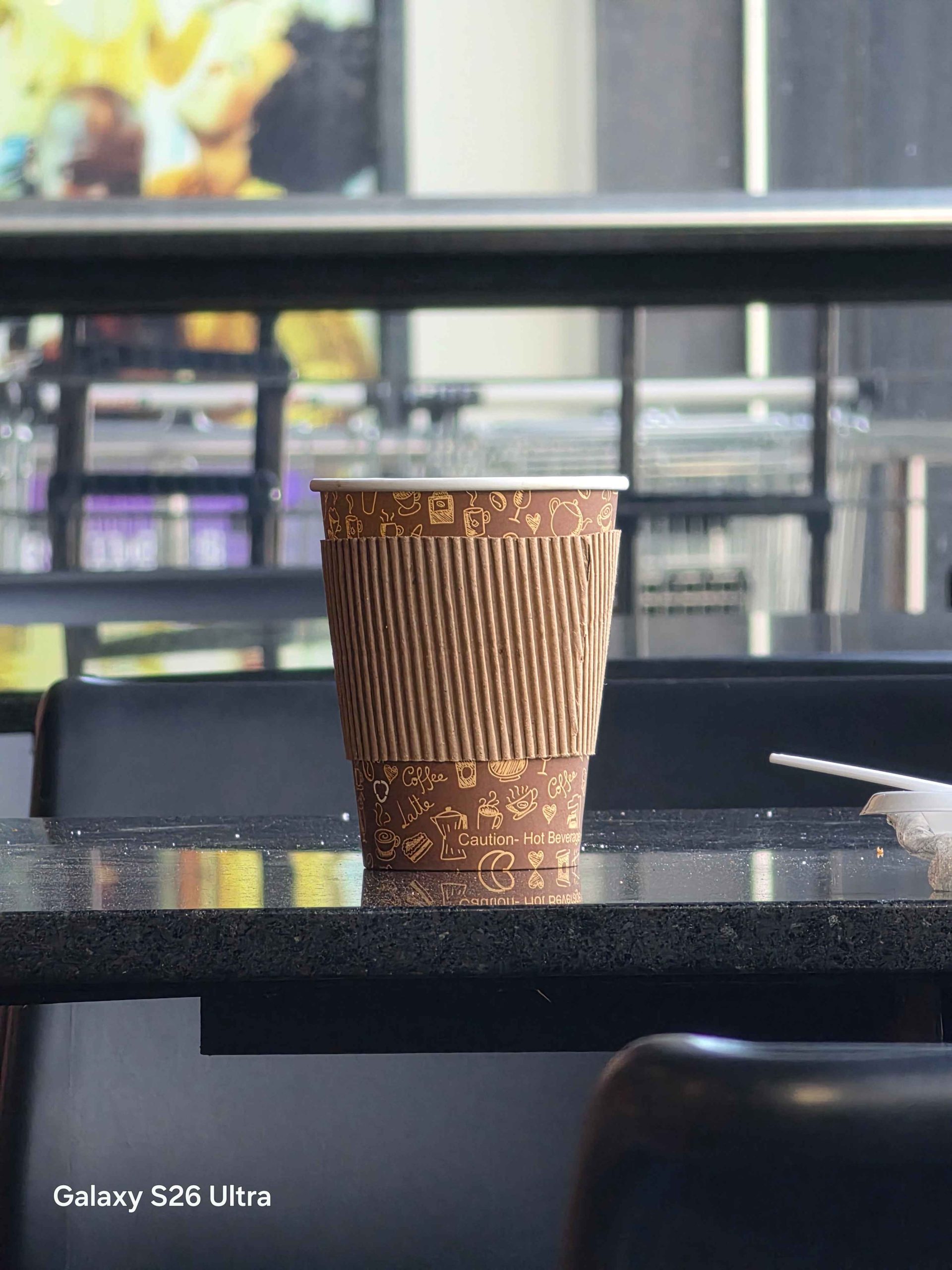
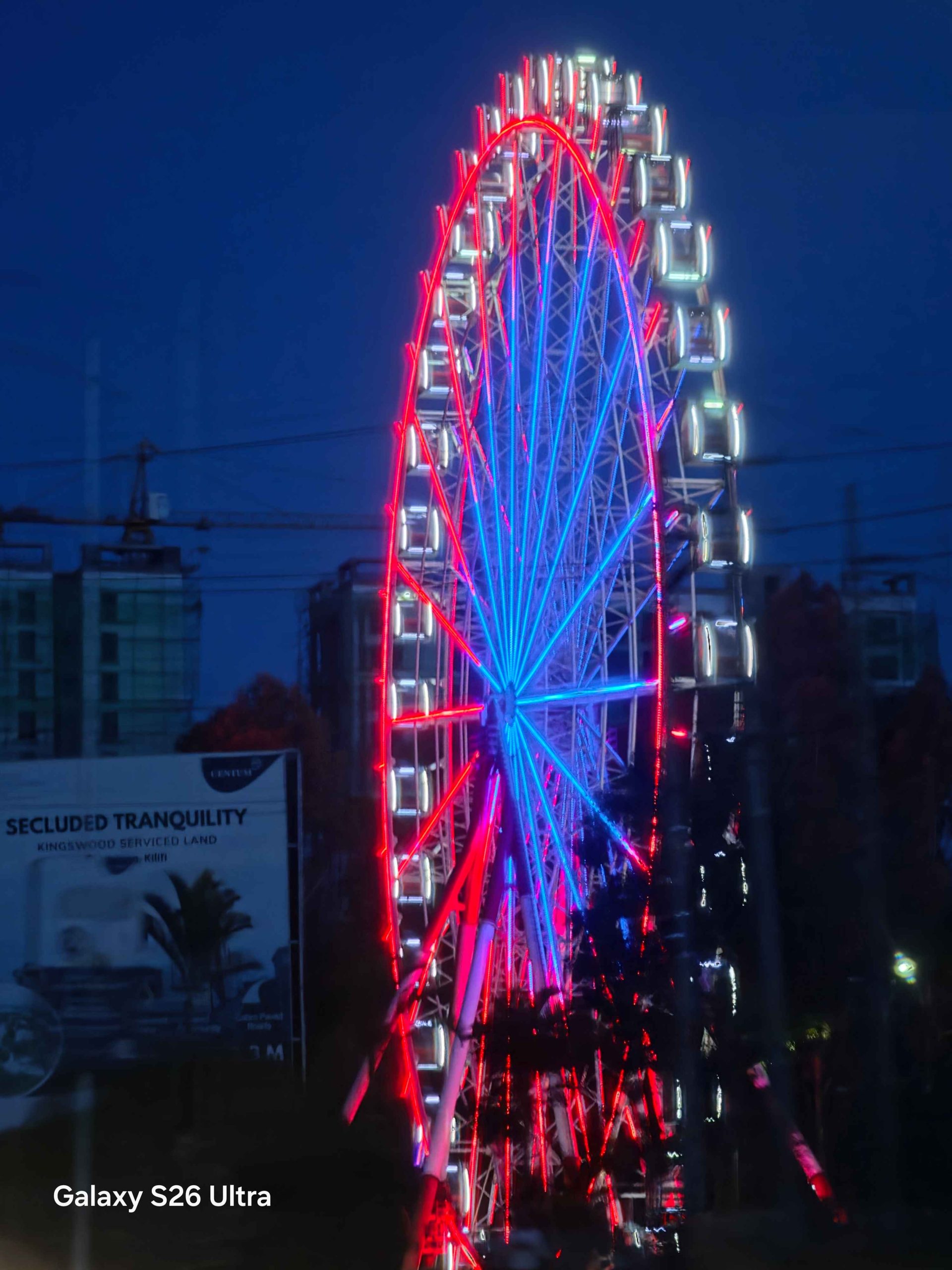
The camera system is built around a 200MP main sensor with a widened f/1.4 aperture, a big improvement over last year’s f/1.7, particularly in low light.
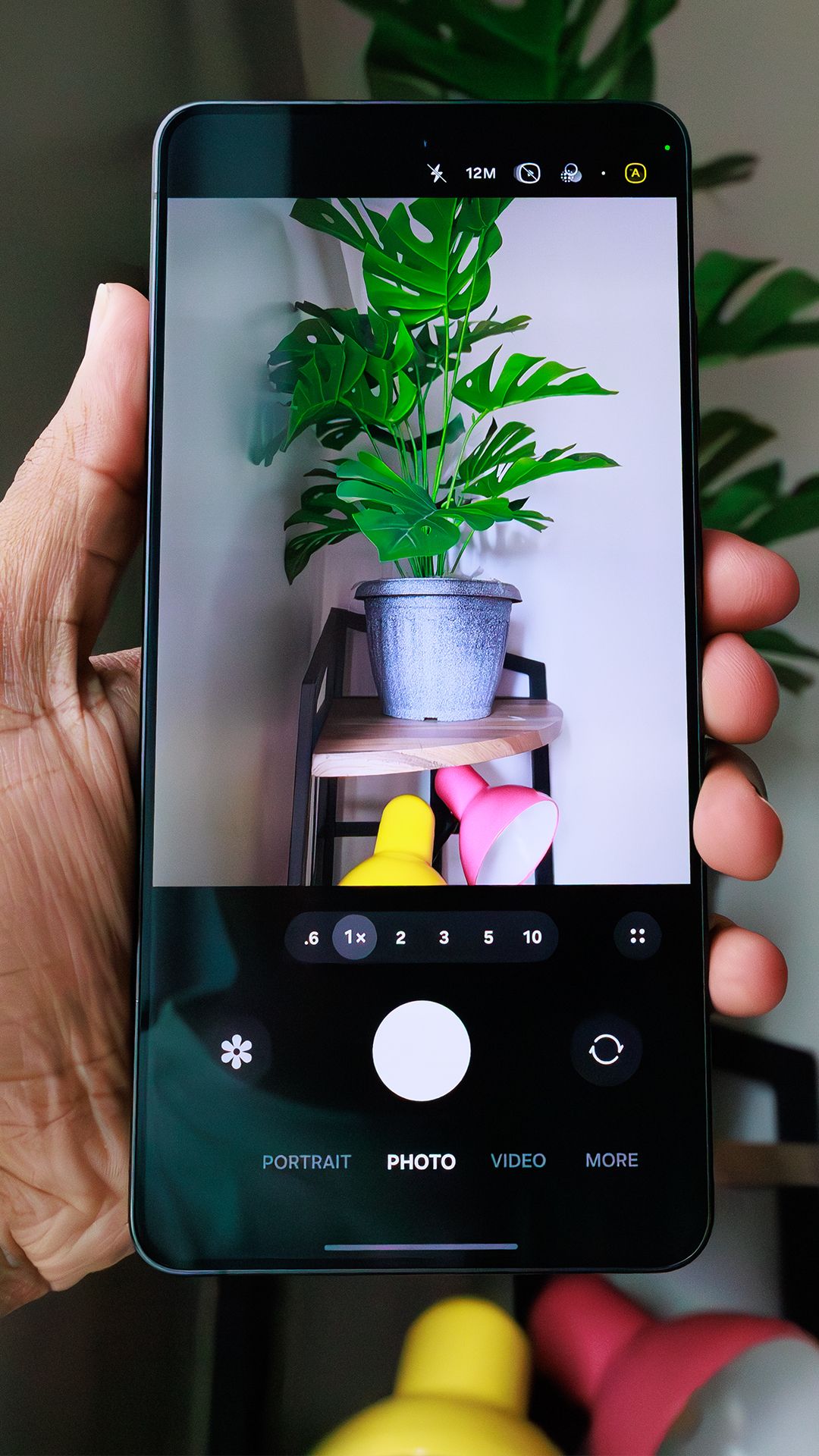
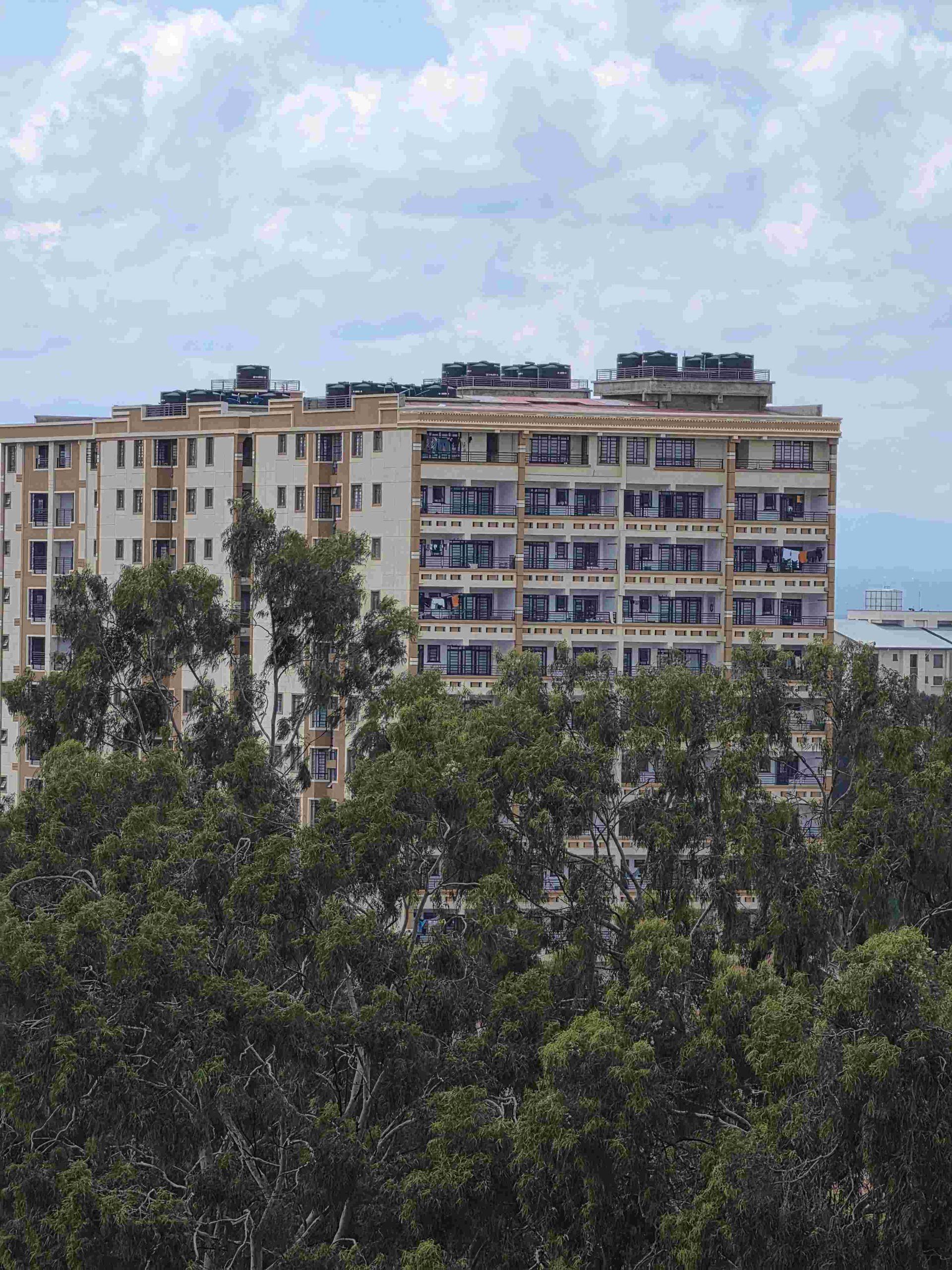
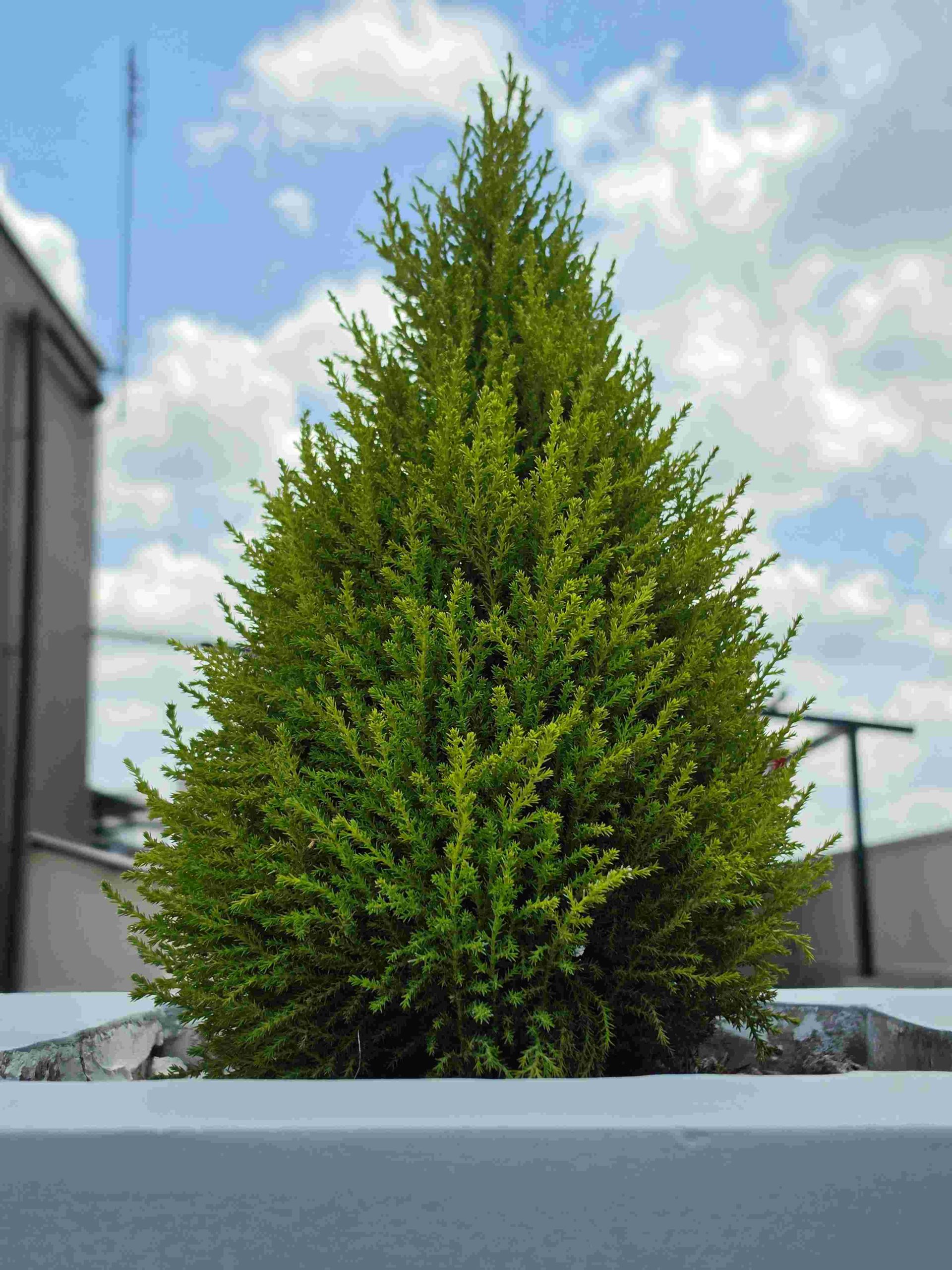
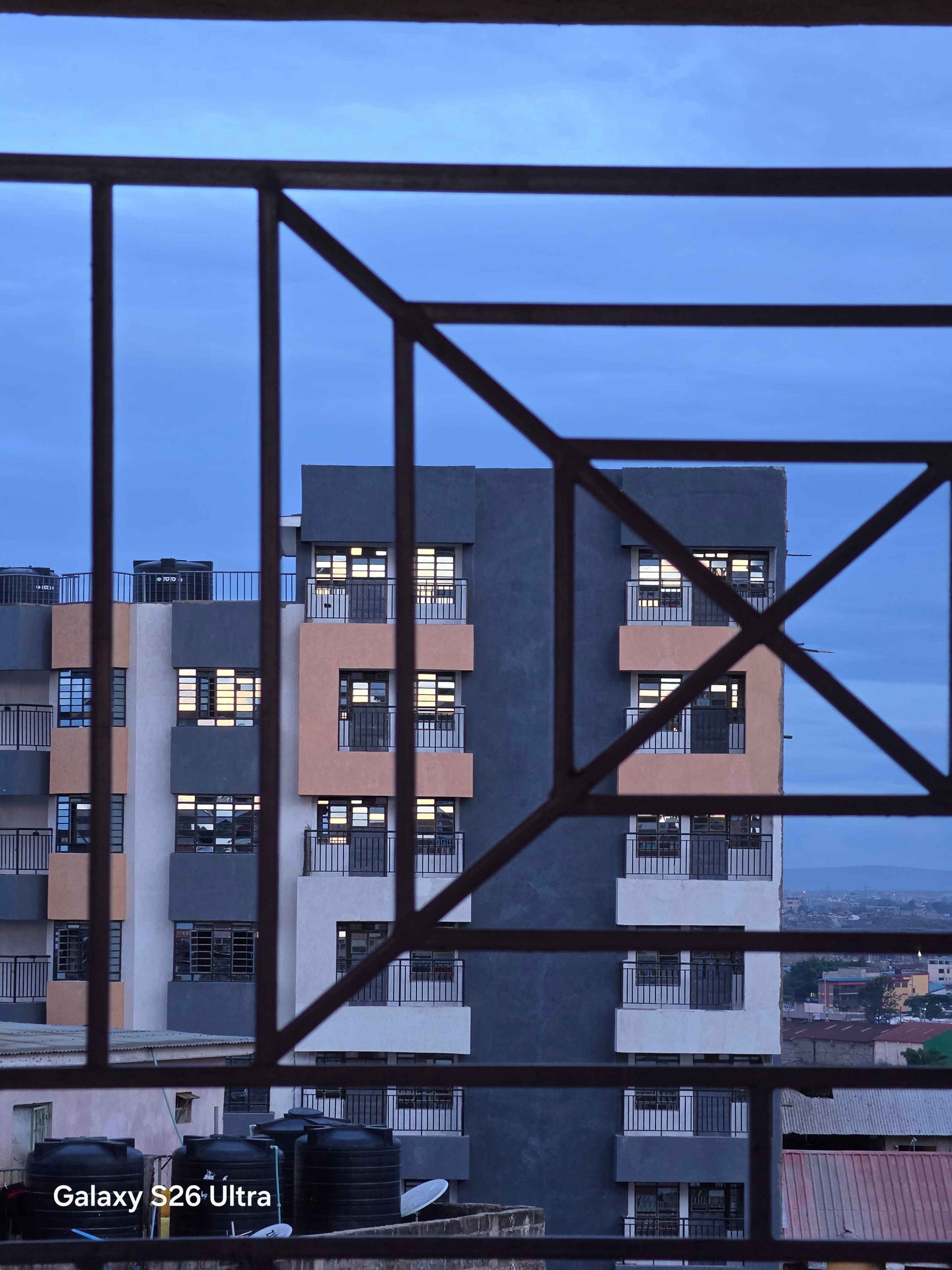
A 50MP periscope telephoto handles the 5x zoom range and pushes usable results out to around the 30-40x mark. A 10MP 3x telephoto and a 50MP ultrawide round out the rear array.
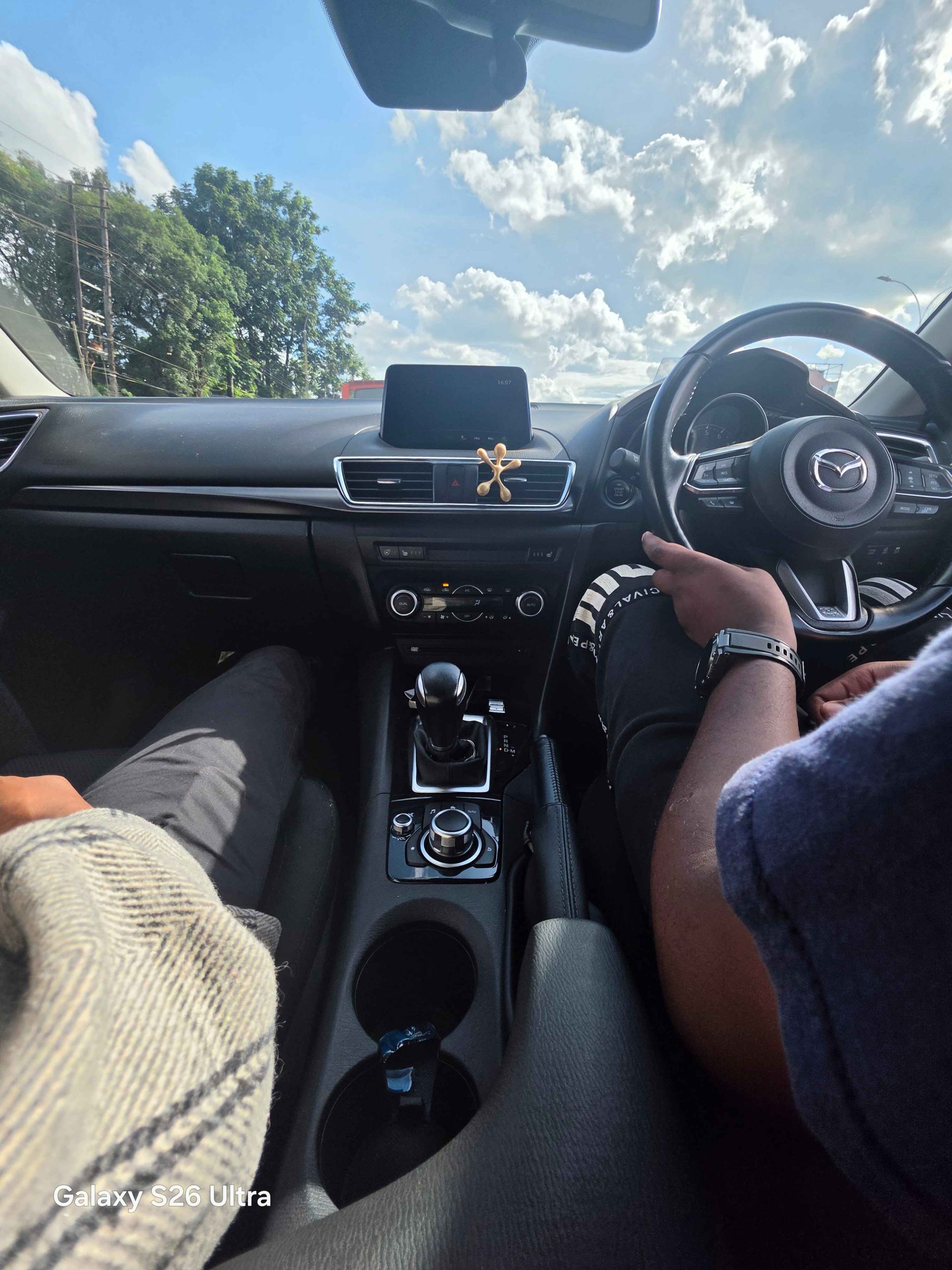
The main sensor is excellent. The aperture change translates to faster exposures and reduced motion blur, and Samsung has recalibrated its color science, pulling back from the oversaturated processing of previous generations toward something more neutral without losing the vibrancy that makes Samsung photos look great on screens.
The 10MP 3x telephoto is the weak link and has been for a few years. With both neighboring lenses offering 50MP sensors, shots in the 3x-5x transition zone often look slightly overprocessed.
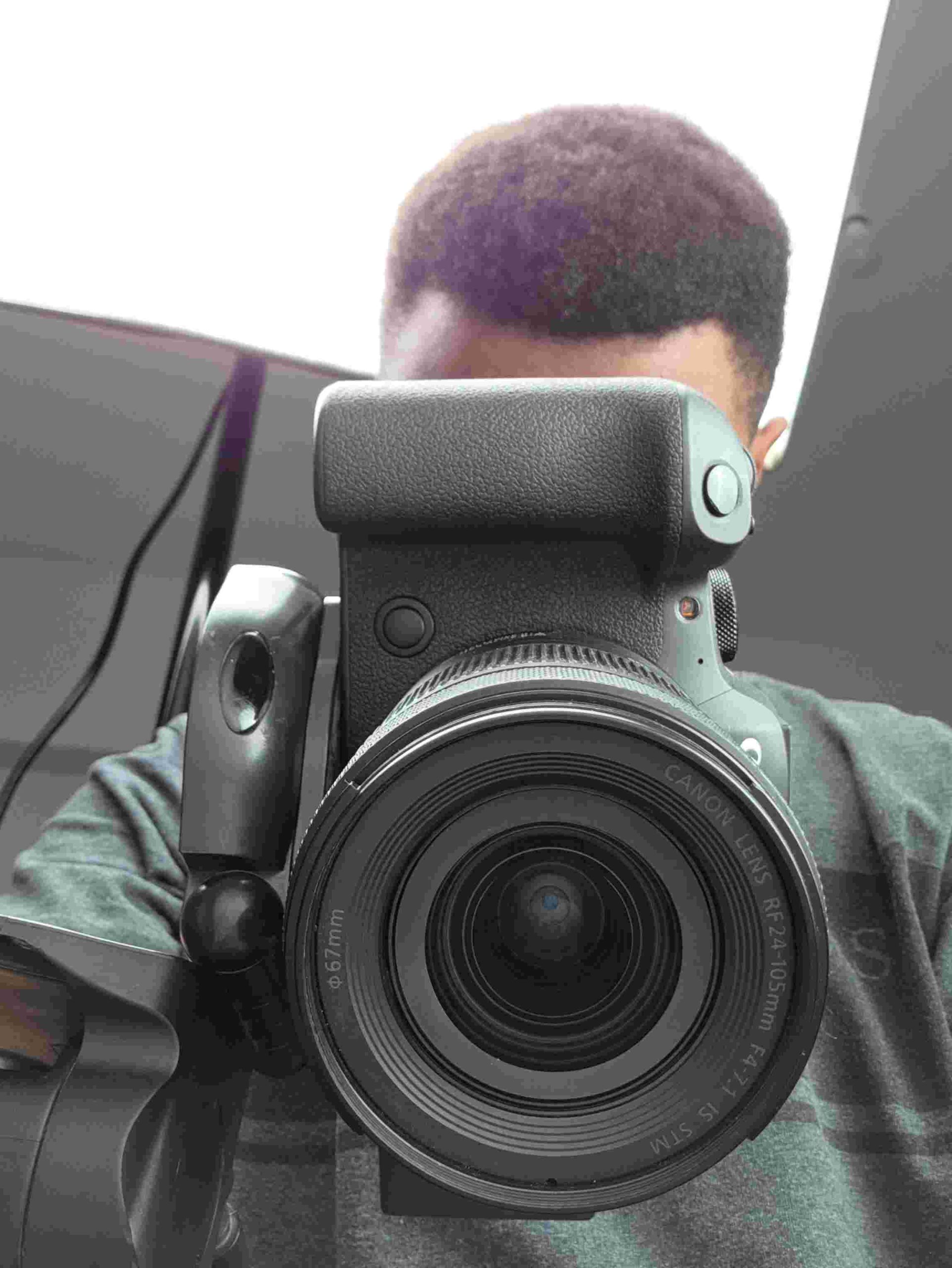
Video capabilities are among the strongest on any phone with 8K30, 10-bit HDR, and a new 360-degree horizon lock stabilization.








Software: Still the Best in Class With a Few Exceptions
One UI 8.5 on Android 16 is a mature, well-organized operating system with 7 years of update support, extending to Android 23 in 2033.
That guarantee is one of the strongest long-term commitments in Android and makes the price easier to justify when amortized over time.
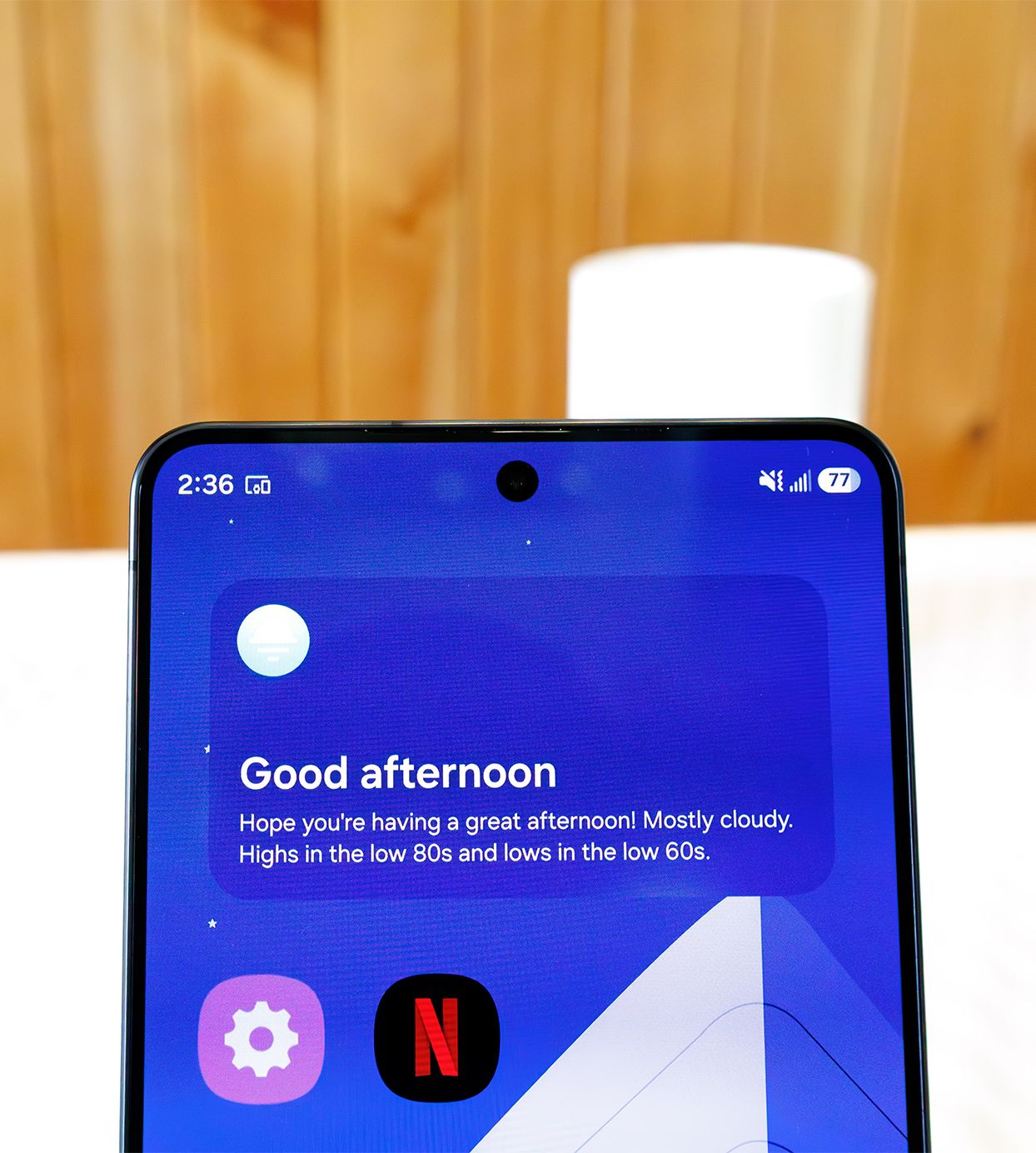
Galaxy AI is present throughout, and most of it can be safely ignored. Now Brief has been promised to become smarter and more contextually aware for several generations now. It still mostly shows weather, a calendar entry, and a YouTube recommendation.
Samsung does deserve credit for keeping all Galaxy AI processing local when users want it, which is a real differentiator against competitors who push everything to the cloud.
READ: What You Need to Know About Samsung Galaxy AI Features
The preloaded app situation remains messy, with a full Samsung suite, a full Google suite, plus Microsoft, Spotify, and Facebook apps all present at first boot.
Everything is removable, which is important to note, but the initial experience is noisier than it should be on a phone that costs this much.
Who Should Buy This?
The S26 Ultra makes the most sense for three types of buyers: existing Galaxy S24 Ultra owners who skipped last year’s update; power users who want the best available Android performance for video, photography, or stylus-based creative work; and buyers who want one phone and one purchase decision for the next five to seven years.
Verdict
The Galaxy S26 Ultra is Samsung at its most deliberate. Not trying to surprise anyone, just refusing to give you a reason to buy something else.
The Privacy Display is the first genuinely new feature in years that changes daily behavior. The processor is the fastest available. The cameras are excellent by any standard, and the 7-year update window is the best long-term bet in Android.
Battery is the one place where competitors have meaningfully pulled ahead, and it’s a real limitation for heavy users. At KES 171,400, this is a lot of phone, and for the right buyer, it’s still the one to get.
The Review
Samsung Galaxy S26 Ultra
The Galaxy S26 Ultra is not flashy innovation; it’s refined flagship confidence. It improves the right things, keeps everything that already worked, and remains the Android phone to beat for users who want power, reliability, and longevity in one package.
PROS
- Premium build with lighter Armor Aluminum frame
- 6.9" AMOLED display with Gorilla Armor 2 and anti-reflective coating
- Privacy Display is useful for everyday security
- Snapdragon 8 Elite Gen 5 delivers elite flagship performance
- Improved thermals with better sustained gaming performance
- Excellent 200MP main camera with stronger low-light results
- Powerful zoom system with strong 5x and long-range performance
- Industry-leading 7 years of Android and security updates
- S Pen remains unmatched for productivity and creativity
- Faster 60W charging and strong video capabilities
CONS
- Battery life is only adequate compared to newer rivals
- 10MP 3x telephoto feels outdated and inconsistent
- Preloaded apps still create unnecessary clutter
- S Pen still lacks Bluetooth remote features
- Very expensive, especially for users upgrading from recent Ultra models