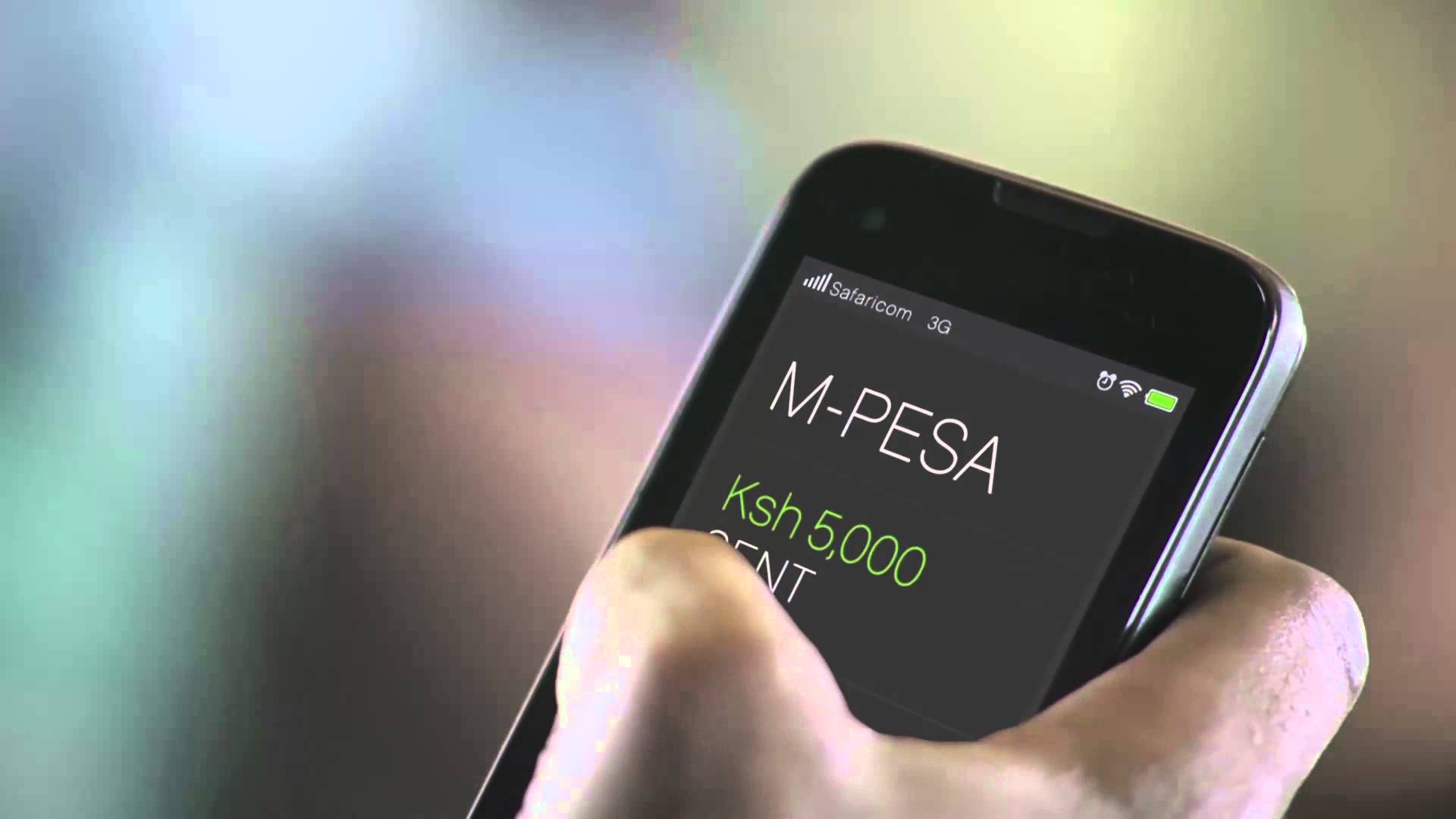





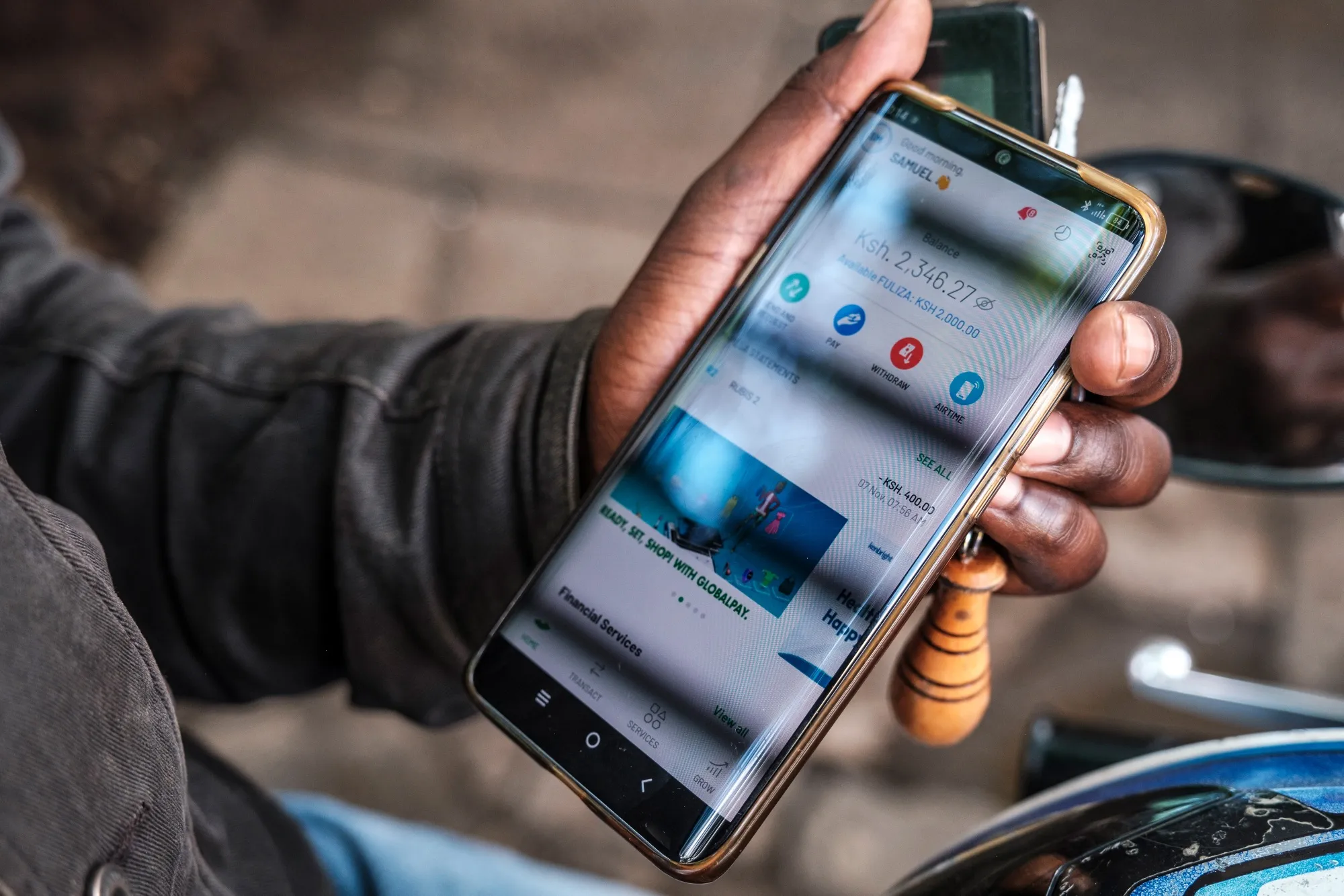
The Kenya Revenue Authority (KRA) has moved to calm nerves over its mobile money monitoring plans, making clear that it has no interest in tracking what you send your mum or split with friends for lunch.
Speaking at a Meru Citizen Assembly, KRA’s Commissioner for Micro and Small Taxpayers George Obell drew a firm line between personal and commercial transactions. Personal transfers, which are money sent between individuals, are off the table entirely.
What KRA is after are payments flowing through PayBills, Till Numbers, and other merchant channels: the kind used when running an actual business.
This is an important distinction because KRA had already signaled, back in March, that it was tightening its grip on mobile money data.
Deputy Commissioner Maurice Oray had told a youth and media forum that the taxman was sitting on financial data for many Kenyans who file nil returns despite clear transaction activity on their mobile wallets.
The plan was, and still is, to introduce pre-filled tax returns, where KRA already loads what it knows about your income and asks you to either confirm it or explain why it’s wrong.
READ: KRA Is Tracking Traders Switching Till Numbers to Evade Taxes
That system is still coming, but Obell’s clarification at the Meru assembly draws a sharper boundary around what feeds into it: commercial activity, not personal transfers.
To make that work technically, KRA is building what it calls a Virtual Electronic Tax Register, or Virtual ETR. The idea is to plug into digital payment platforms so that businesses receiving payments through them can automatically issue electronic tax invoices at the point of sale, without needing separate hardware or manual processes.
KRA says it’s still in talks with payment service providers to get the rollout right.