






Kenyan business owners who move from one mobile money merchant account to another in an attempt to avoid taxes have nowhere to hide.
The country’s tax collector, the Kenya Revenue Authority (KRA), says it can easily track those traders trying to simply weasel out of honoring their tax obligations.
“It’s very easy to see the transactions. If you’re a trader, there’s what you purchase, and there’s what you sell. So, your transactions somehow will be captured somewhere,” stated the acting commissioner-general, Dr. Lilian Nyawanda, in a press interview.
KRA monitors these transactions by cross-referencing data between parties. Every mobile payment generates a record for both the sender and the receiver, allowing the tax authority to reconcile the figures even if one participant fails to report the income.
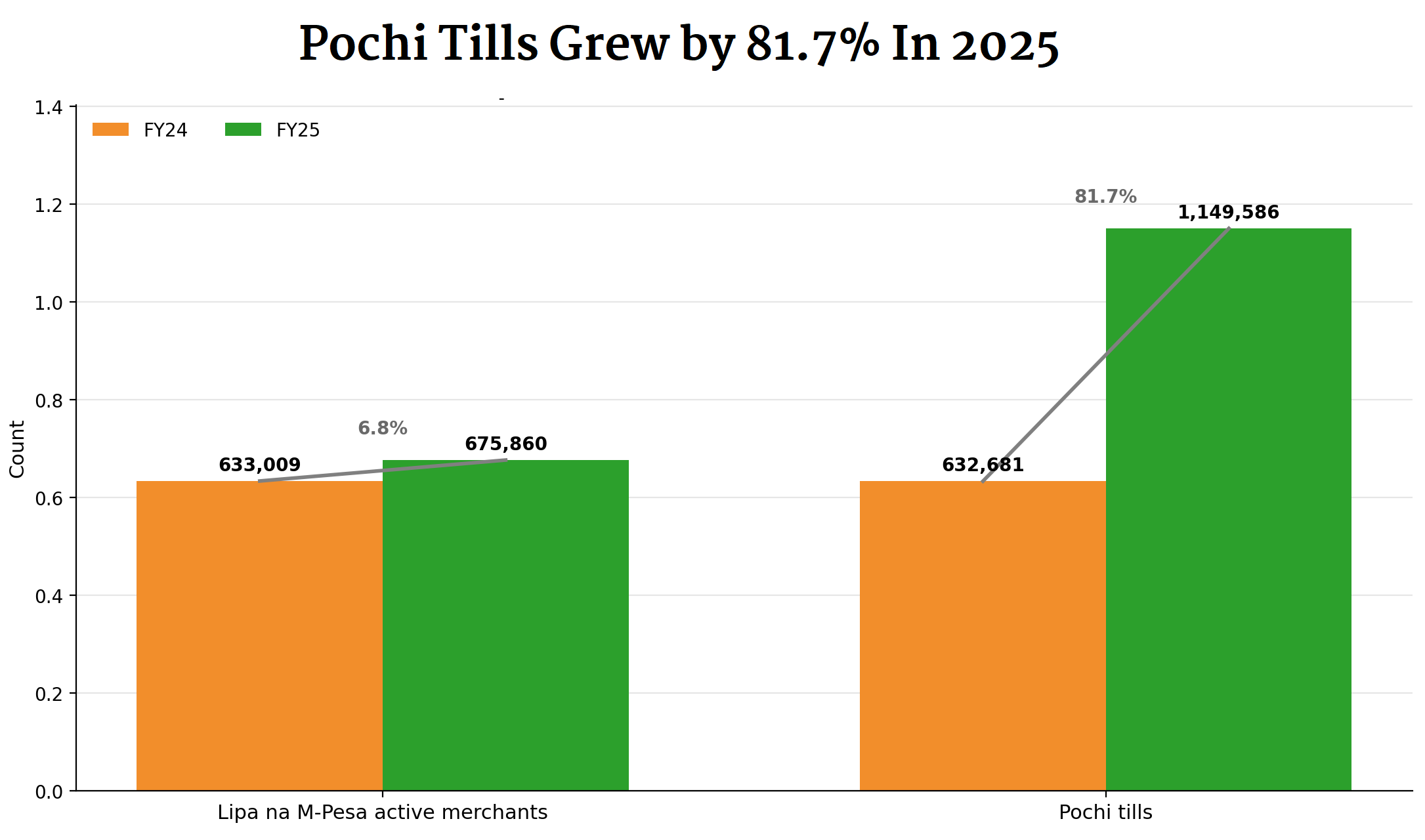
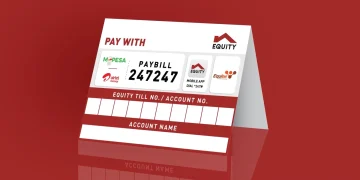
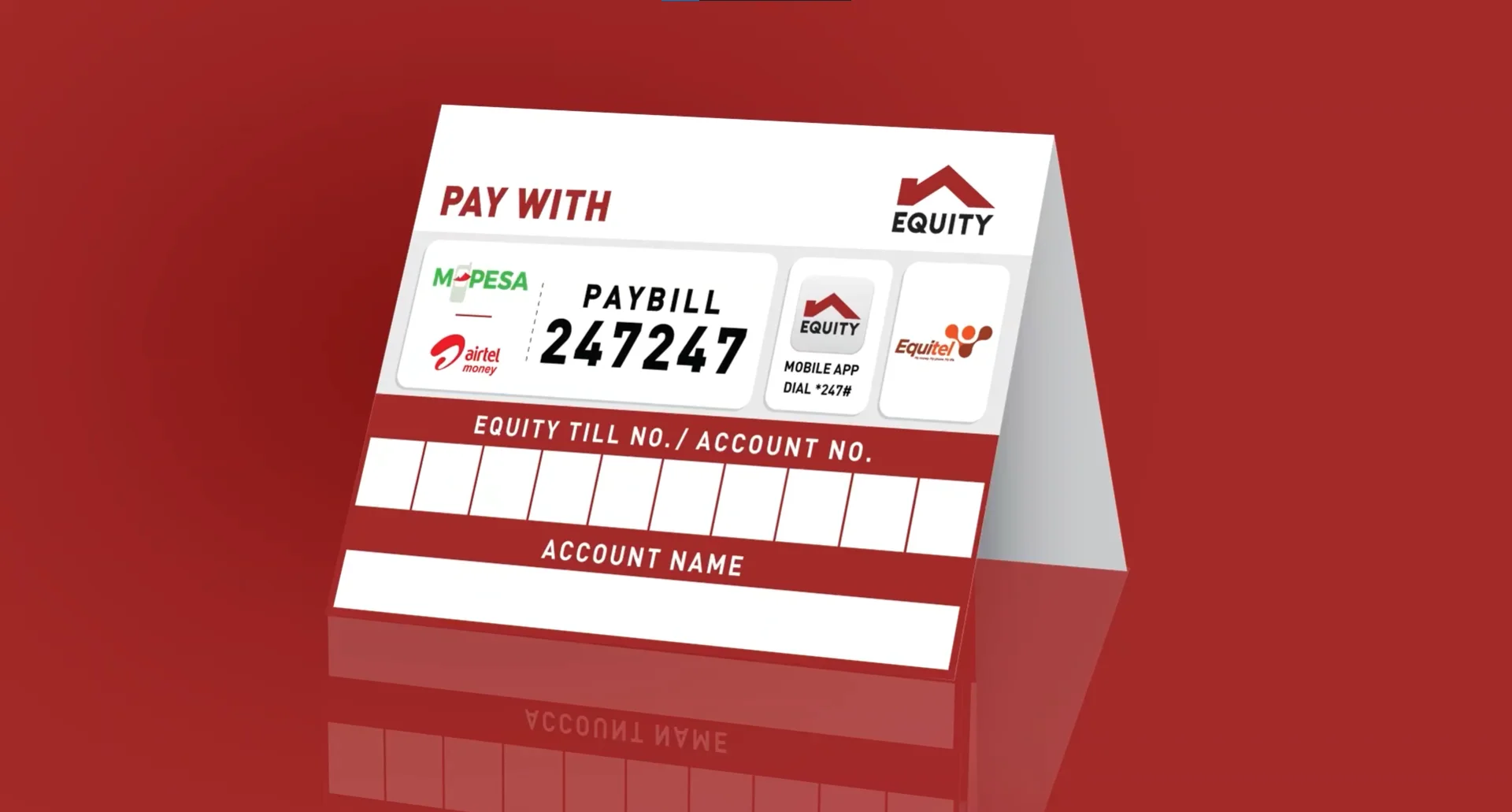
Kenyan mobile money merchant services include PayBills, Till Number, and Pochi La Biashara. Traders jump between these different payment methods to hide their financial footprints.
READ: How to File Nil Returns on WhatsApp in 2026
However, the acting Commissioner-General warned that this strategy is no longer effective, as the crackdown on tax evasion has made it easier to track and scrutinize these fragmented records.
“Even if you change tills or pay bills, somehow they’ll be captured because you are trading with someone,” Dr. Nyawanda added.
The tax body is now contacting flagged traders directly to demand they settle their tax affairs. As compliance rules tighten, businesses that fail to provide electronic invoices are finding it impossible to claim business expenses, leading to much higher tax obligations even on genuine deals.
Kenya’s government efforts to expand the tax base have focused on the country’s informal sector, which tends to favor mobile money for business transactions.
Since 2024, mobile money accounts used by businesses and merchants have been converted into electronic tax registers (ETRs).
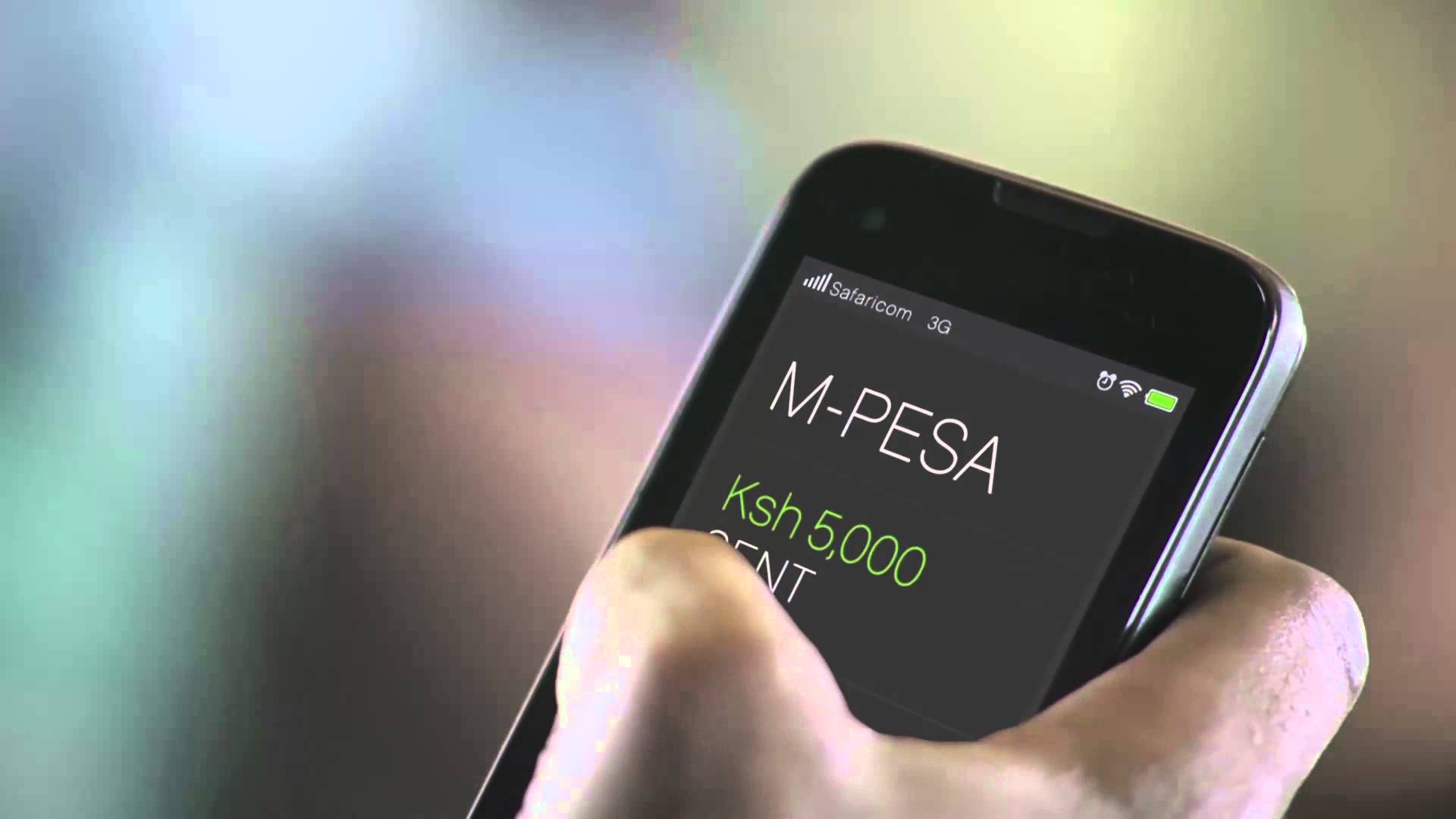
According to data from the Central Bank of Kenya (CBK), in 2025 alone, Kenya’s mobile money ecosystem transacted KES 8.24 trillion. The KRA is keen to ensure they get their legal share of this pie.
Safaricom, the dominant player in the mobile money sector with 89% of the market, has been experiencing growth in the number of active merchant accounts. Mobile Money users are also growing steadily.