








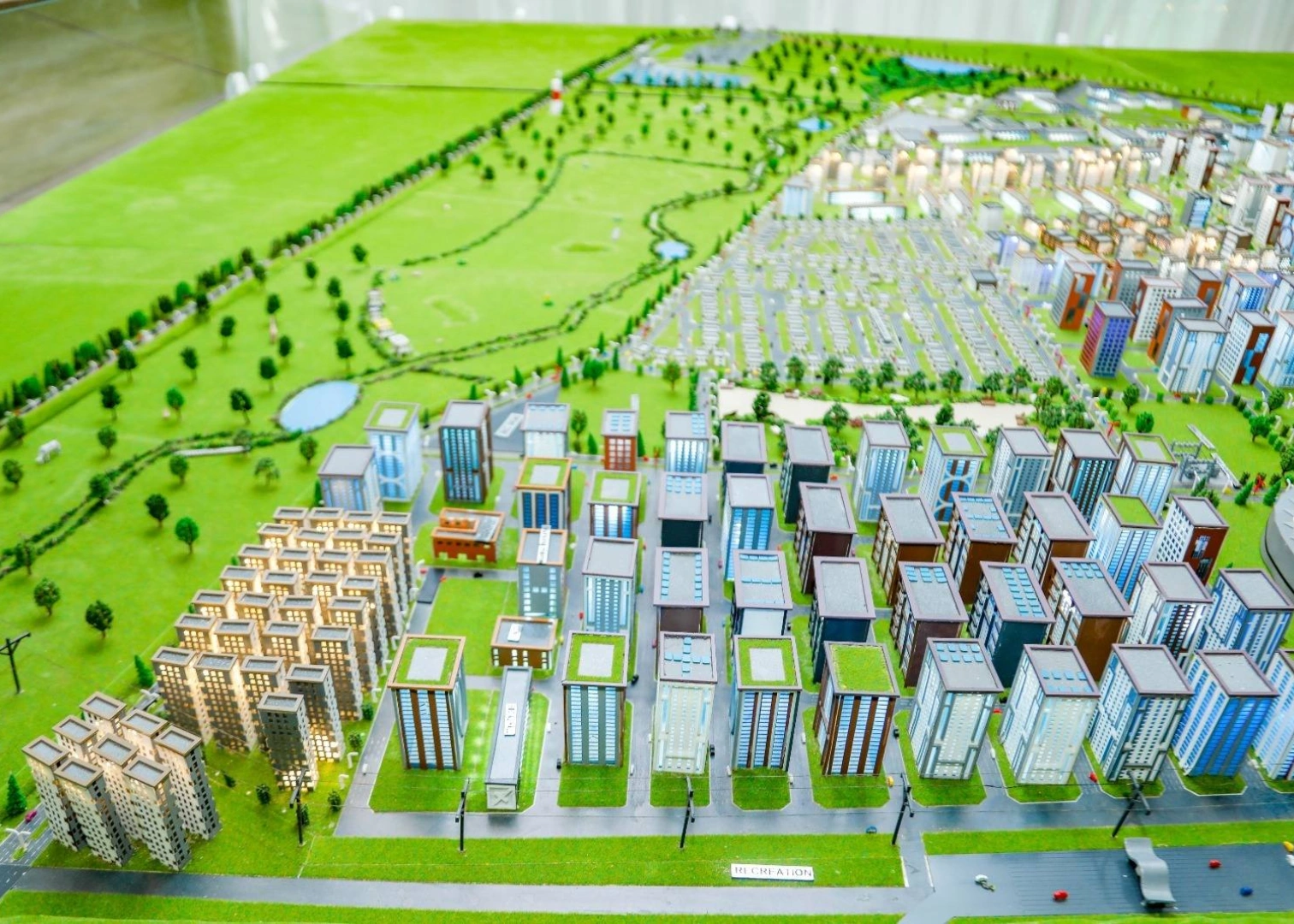
President William Ruto has signed into law the Technopolis Bill, which parliament passed, creating a legal framework for designated technology and innovation zones in the country.
The law replaces the Konza Technopolis Development Authority Order of 2012, which had been running the Konza project under a legal notice rather than a full act of parliament.
This upgrade is important because a proper statute gives the authority more teeth, clearer governance, and a formal dispute resolution system.
What is a Technopolis?
Under the Act, a technopolis is a gazetted geographical area with a high concentration of technology companies, research institutions, and innovation hubs, all operating under a single regulatory framework.
Konza, the 2,023-hectare site about 60km southeast of Nairobi, is explicitly included in the definition and remains the flagship project.
However, the law is written broadly enough to allow the Cabinet Secretary for ICT to gazette additional technopoleis elsewhere in Kenya through a simple government notice.
Each technopolis is expected to have modern integrated infrastructure, adopt emerging technologies, integrate green building and sustainability practices, and offer support services like mentorship, funding access, and networking. Essentially, it’s a self-contained ecosystem for tech-driven work.
The Authority Running It All
The Act establishes the Technopolis Development Authority, which replaces and absorbs the former Konza Technopolis Development Authority.
All staff, contracts, assets, liabilities, and pending legal cases transfer automatically to the new body on the law’s commencement date. Existing board members and the CEO continue serving out their terms as if appointed under the new law.
The Authority is a corporate body, meaning it can sue, be sued, own property, borrow money, and enter contracts in its own name.
Its board is chaired by a presidential appointee and includes the Principal Secretary for ICT, the Principal Secretary for the National Treasury, the Attorney General, and 5 competitively recruited private-sector members.
READ: Why Konza Technopolis Has Struggled to Win Global Tech Investors
The CEO, who sits on the board in an ex-officio capacity, is appointed by the Cabinet Secretary on the board’s recommendation and serves a 4-year term renewable once.
The Chairperson needs at least 10 years of leadership experience and an undergraduate degree from a recognized Kenyan university.
The 5 private-sector board members need at least 5 years of experience in engineering, architecture, ICT, finance, law, physical planning, or social sciences.
Additionally, the law explicitly requires the Cabinet Secretary to ensure those appointments reflect gender balance and include youth, persons with disabilities, and marginalized groups.
What the Authority Actually Does
The Authority plans, develops, and manages technopoleis. It allocates land to investors, issues development permits, licenses businesses operating within a technopolis, runs a one-stop shop for government services, and can establish science parks, ICT parks, and innovation centers.
It is also required to establish a Science Museum in every gazetted technopolis.
That Science Museum is not an afterthought. The law dedicates an entire clause to it, requiring it to collect and preserve historical science and technology objects, run education programs, organize science fairs, seminars and lectures, document Kenya’s contribution to science and technology, and develop exhibits and teaching aids.
READ: Konza Technopolis Partners with Korean Electronics Industry for $1.4 Million Manufacturing Plant
A competitively appointed Chief Curator runs day-to-day operations and reports to the board.
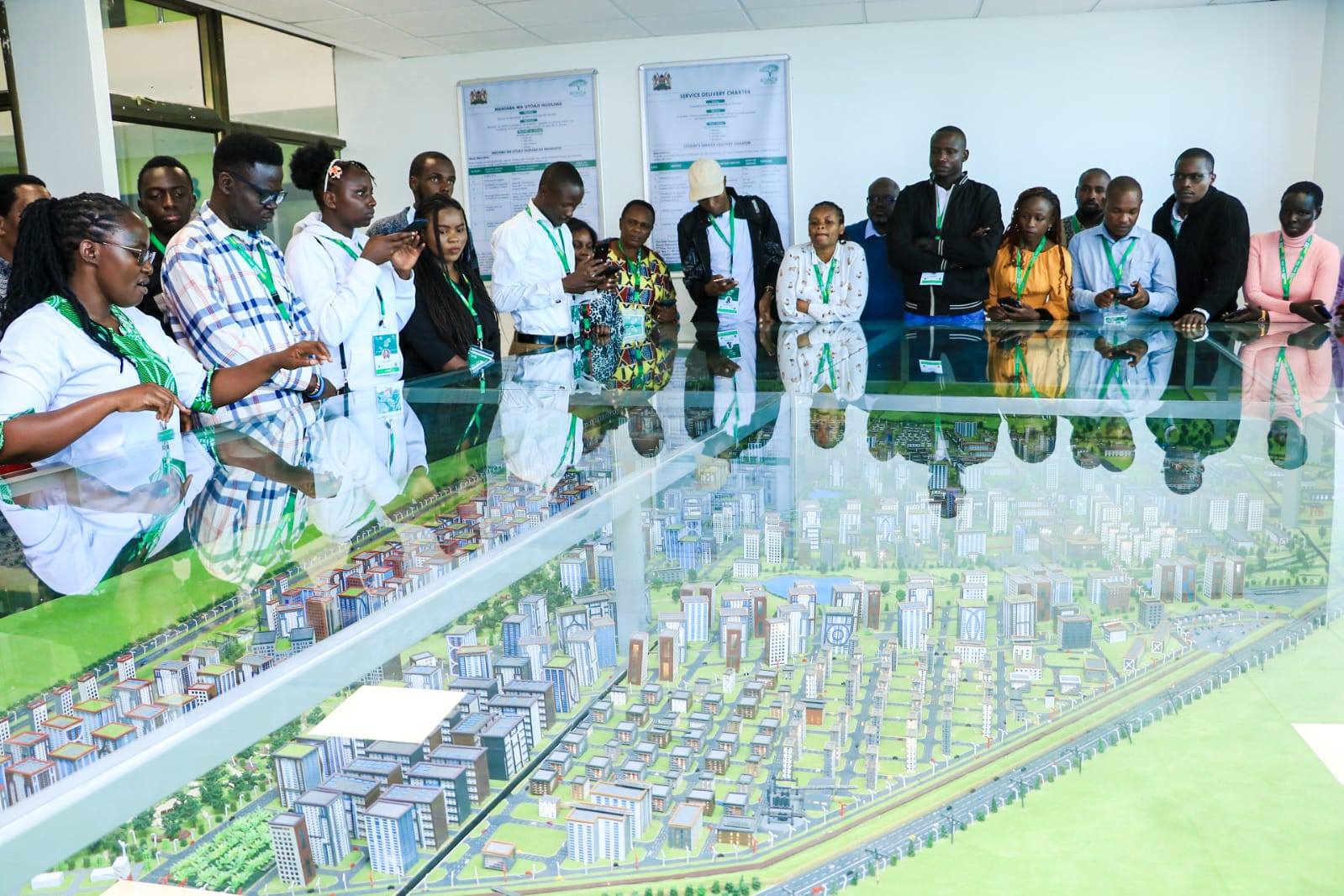
The Authority also runs a small enterprise support center for startups and young entrepreneurs and is tasked with developing a high-technology innovation ecosystem (a network of innovators, institutions, and innovation hubs) by identifying strategic areas of innovation, creating specialized institutions, building a database of innovations, and helping commercialize ideas.
Getting In: Licenses and Permits
Anyone wanting to build within a technopolis needs a development permit from the Authority. Plans must be prepared by a licensed professional, and all construction must comply with the technopolis physical and land use development plan.
If you build without a permit or deviate from an approved one, the Authority can issue a stop-work order, demand alterations, suspend or revoke your permit, and ultimately require you to demolish the structure at your own cost and restore the land within 90 days.
Anyone wanting to operate a business within a technopolis needs a separate operating license. The Authority can issue different classes of licenses with different validity periods.
Startups in their early operational phase and entities in research partnerships with the Authority can apply for an exemption from licensing requirements.
READ: Konza City Explores Bonds and PPP Option to Fund Phase 2
Operating without a license or exemption is a criminal offense carrying a fine of up to KES 5 million or up to 5 years imprisonment, or both.
Licenses can be suspended for breaching conditions or ignoring Authority directives, and revoked if a business ceases operations, is wound up, or fails to remedy a suspension.
Before suspending a license, the Authority must issue a written compliance notice specifying the breach and giving the licensee time to fix it.
Enforcement
Authority inspectors can enter and inspect any premises within a technopolis. If they find non-compliance, they issue a compliance order with a deadline.
If that is ignored, they can escalate to sanctions ranging from written reprimands and administrative fines to license suspension or full revocation. All administrative fines go to the Authority.
Critically, the law requires the Authority to comply with the Fair Administrative Action Act, 2015, before taking any enforcement action, meaning it cannot simply act without due process.
Disputes
The Act creates the Technopolis Dispute Resolution Tribunal, whose members are appointed by the Judicial Service Commission.
The Tribunal’s chairperson must be qualified to be a High Court judge, and its members include a senior advocate and 5 specialists in engineering, urban development, property management, IT, or finance.
All serve 3-year terms on a part-time basis. The Tribunal’s expenses come from the Judiciary Fund.
READ: KSA to Leverage Konza Technopolis Data Center for Data-Driven Development
Anyone aggrieved by an Authority decision on licensing, development permits, or enforcement has 30 days to appeal to the Tribunal. The Tribunal is not bound by strict rules of evidence or civil procedure, and its decisions are enforced like magistrates’ court judgments.
If you are still unhappy after the Tribunal rules, you have 30 days to escalate to the High Court.
Incentives
The law extends all incentives available under the Special Economic Zones Act, 2015, to persons and businesses operating within a technopolis.
On top of that, the Cabinet Secretary can gazette additional incentives for technopolis investors. The specific incentives are not spelled out in the Act itself, as they will come through regulations and gazette notices, but the legal hook for offering them is now in place.
Funding
The Authority’s funds come from national government appropriations, revenue it generates from its own operations (fees, levies, and fines), borrowings, and grants or donations. Its financial year runs from July 1 to June 30.
Accounts must be submitted to the Auditor-General within 3 months of each financial year’s end and audited under the Public Audit Act, 2015. An annual operations report goes to the Cabinet Secretary within three months of year-end.
The most practical immediate effect of this law is giving the Konza project a statutory foundation it has lacked for over a decade.
The 2012 legal notice that created the original Konza authority was always a thin legal basis for an institution managing thousands of hectares of land, licensing businesses, and entering major contracts. The Technopolis Act fixes that.
Beyond Konza, the law creates a replicable template. If the government wants to designate a technopolis in Kisumu, Mombasa, or anywhere else, the framework already exists.
READ: Kenya’s Tech Sector Grew in 2025 but the Cost of Living Got Worse
All it needs is the Cabinet Secretary to issue a gazette notice defining the geographic area, and the Authority takes over management under the same rules.
What the Act does not do is guarantee any of this actually happens. The quality of the infrastructure, the attractiveness of the incentives, the efficiency of the one-stop shop, and the competence of the board and management are all execution questions that a law cannot answer.