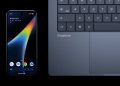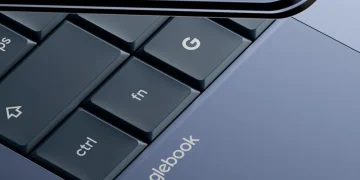







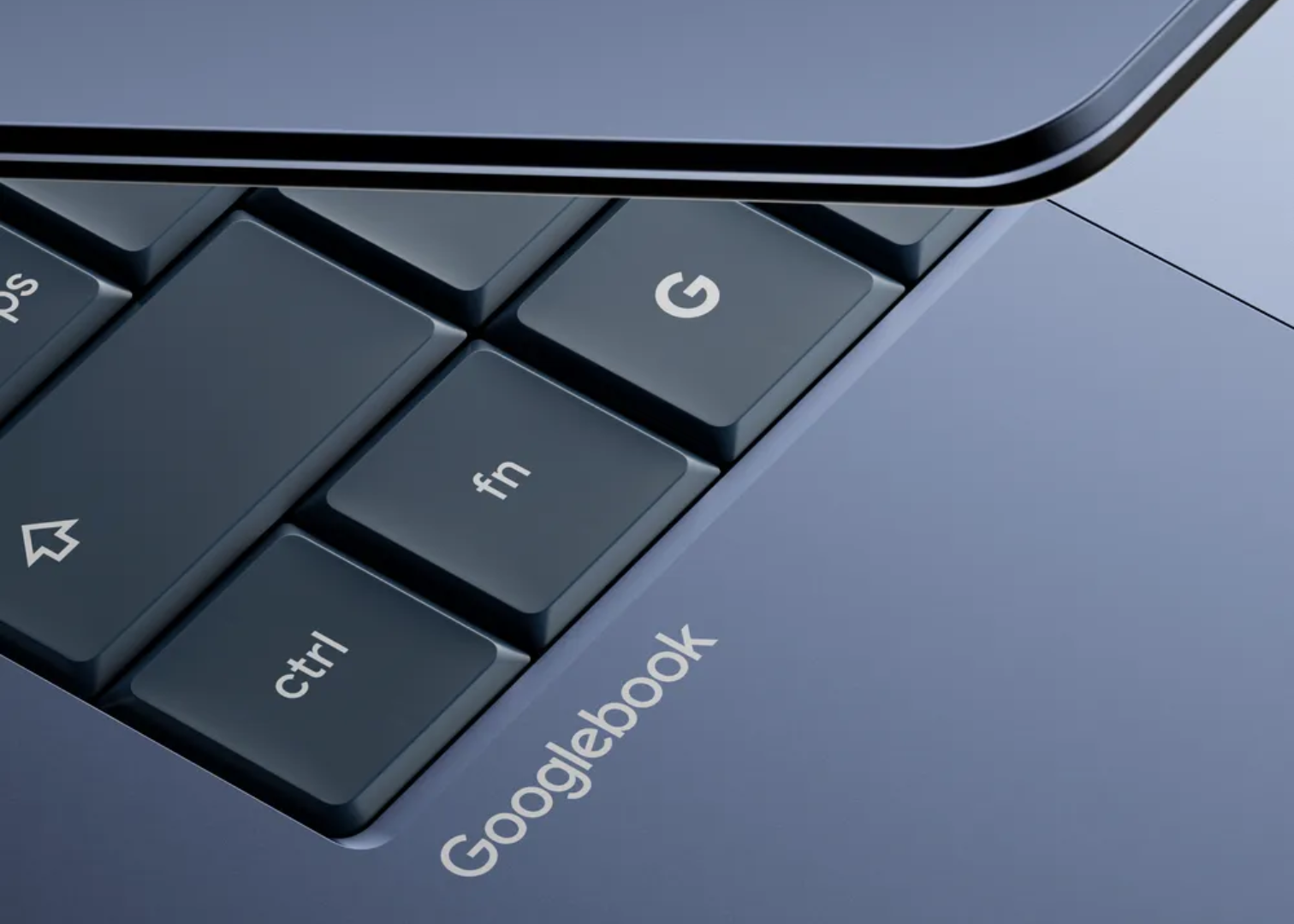
Earlier this week, Google announced a new laptop platform called Googlebook, built on Android technologies and designed around its Gemini AI assistant. The first machines will arrive later this year, made by Acer, ASUS, Dell, HP, and Lenovo.
Googlebook is not a Chromebook replacement. Chromebooks are staying, with Google committed to updates for existing devices for up to 10 years because of how embedded they are in schools and institutions worldwide. Googlebook is a separate, more premium product aimed at a different kind of user.
The operating system has not been officially named. Google is calling it “a modern OS designed for Intelligence,” but internally it was codenamed Aluminum OS.
READ: Google Prepares Aluminium OS to Replace ChromeOS on Future Laptops
It’s widely understood to be a merger of Android and ChromeOS, and Google’s senior director for Android tablets and laptops, Alexander Kuscher, confirmed that Android technologies are central to it, while stopping short of simply calling it Android.
One notable shift from Chromebooks is how apps work. Chromebooks were built around web apps, with Android apps as a secondary addition that never felt fully at home on a laptop screen.
On Googlebooks, Android apps are treated as primary citizens, with full access to hardware and the operating system. Google is encouraging developers to build desktop versions of their Android apps specifically for the platform, not just stretched-out phone interfaces.
Chrome itself will have a desktop version for Googlebooks.
The standout feature Google is leading with is the Magic Pointer. Developed with DeepMind, it activates by wiggling your cursor over anything on screen.
Hover over a date in an email and Gemini will suggest creating a calendar event. Select two images and it offers to merge them. The pointer has three modes: ask, compare, and combine.
Another feature is Create My Widget, which is also coming to Android 17. It lets users describe a widget in plain language and have Gemini build it.
A traveler could ask for a widget showing daily exchange rates, or someone could request a weather widget that also displays wind speed. Gemini pulls from the internet and connected Google apps like Gmail and Calendar to make these.
For Android phone users, Googlebooks offer tight integration. You can open your phone apps directly on the laptop, continue work across devices, and use Quick Access to browse and search files stored on your phone without transferring anything.
For iPhone users, some cross-device features will work, but the deeper integration is exclusive to Android.
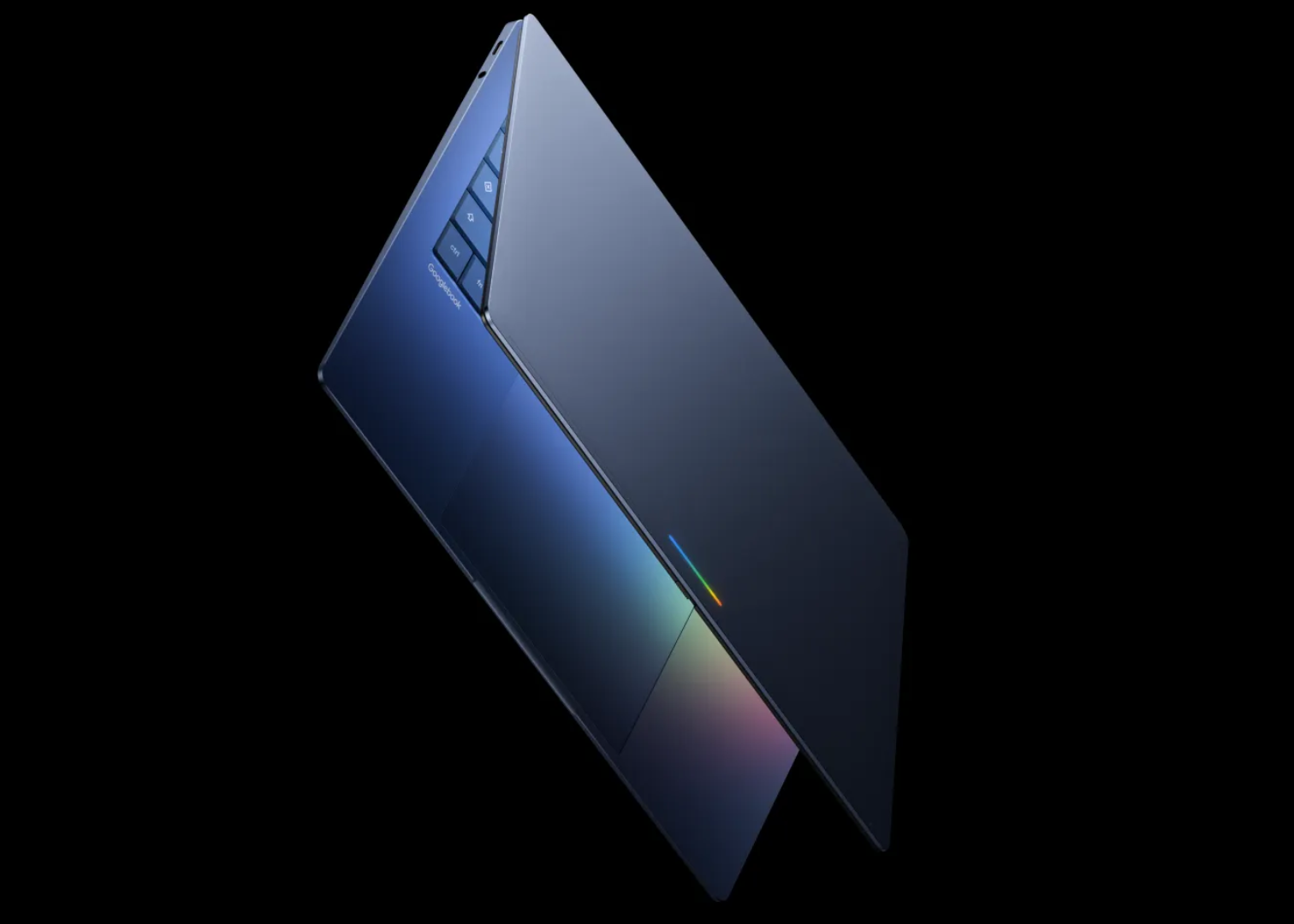
Every Googlebook will have a glowbar, a glowing LED strip on the lid that displays Google’s signature colors. Kuscher described it as a brand element that also has functional uses and a few undisclosed Easter eggs. It’s deliberately positioned to face outward when the laptop is open.
On pricing, Google has used the word “premium” repeatedly and described the machines as having “featherweight design” and “heavyweight power,” which signals mid-to-upper-range ultraportable territory.
The highest-end Chromebooks currently sit between $750 and $1,000, so Googlebooks will likely land above that.
Google has not confirmed whether its own Pixel hardware team will make a first-party Googlebook, though Kuscher’s response to the question was noticeably evasive.