






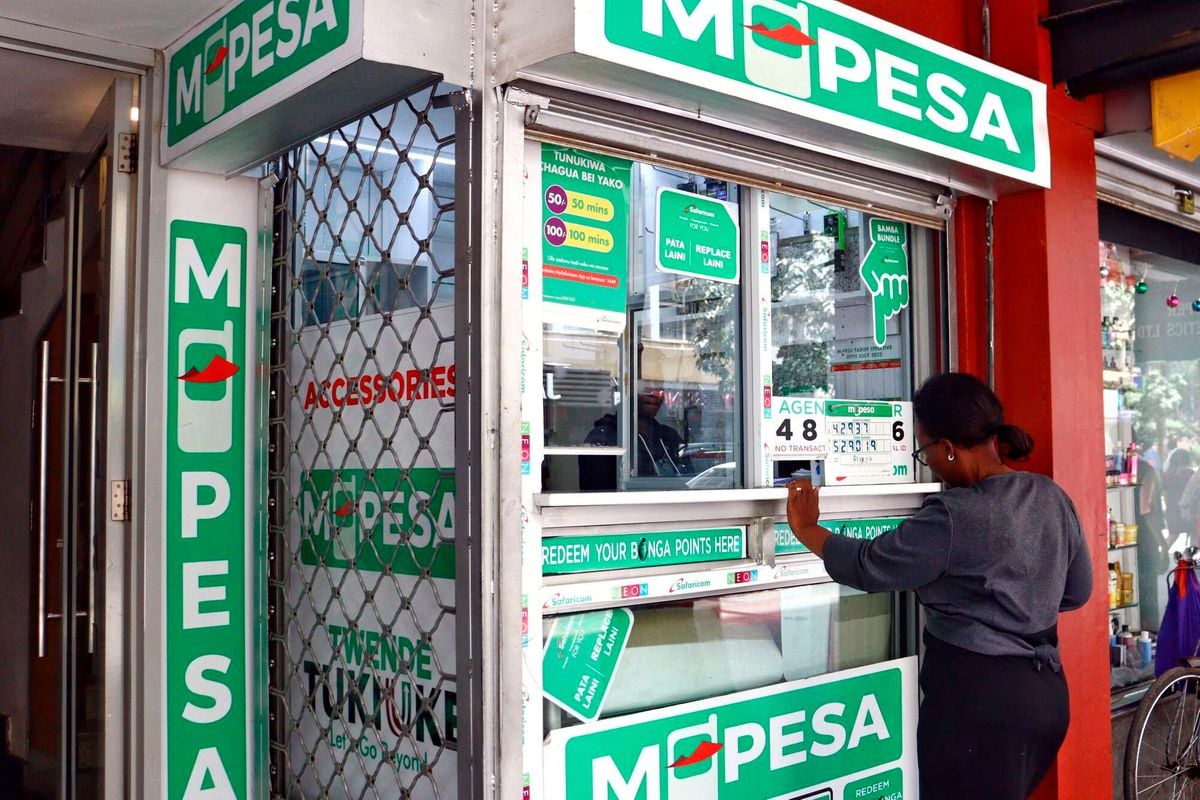
Treasury wants to slap a 16% VAT on the country’s 42 licensed payment service providers, a list that includes M-Pesa, Airtel Money, Pesapal, and Kenswitch.
The proposal is tucked into the Finance Bill 2026, and it has set off a quiet but serious fight between the government and the companies that run the country’s digital payment infrastructure.
The Treasury’s official position is that the tax targets the platforms themselves, not ordinary users. Albert Mwenda, the director-general of budget at the Treasury, told the Business Daily that “the person who supplies ICT to enable payments, including PayBills or Tills, is the one subject to VAT” and that “persons making payments would be out of the scope for VAT as they are not supplying any services.”
That sounds reassuring, but it sidesteps a basic economic reality: VAT is a consumption tax, and the fees that payment providers earn come directly from users.
If those fees go up, users pay more. The distinction between taxing the platform and taxing the consumer is mostly theoretical.
Safaricom has been here before. The company has previously pushed back on attempts to increase the tax burden on mobile money transfers, arguing that the people who would feel it most are low-income Kenyans who do not have bank accounts and rely on M-Pesa for everything from paying rent to receiving wages. That argument carries weight given the scale of the platform.
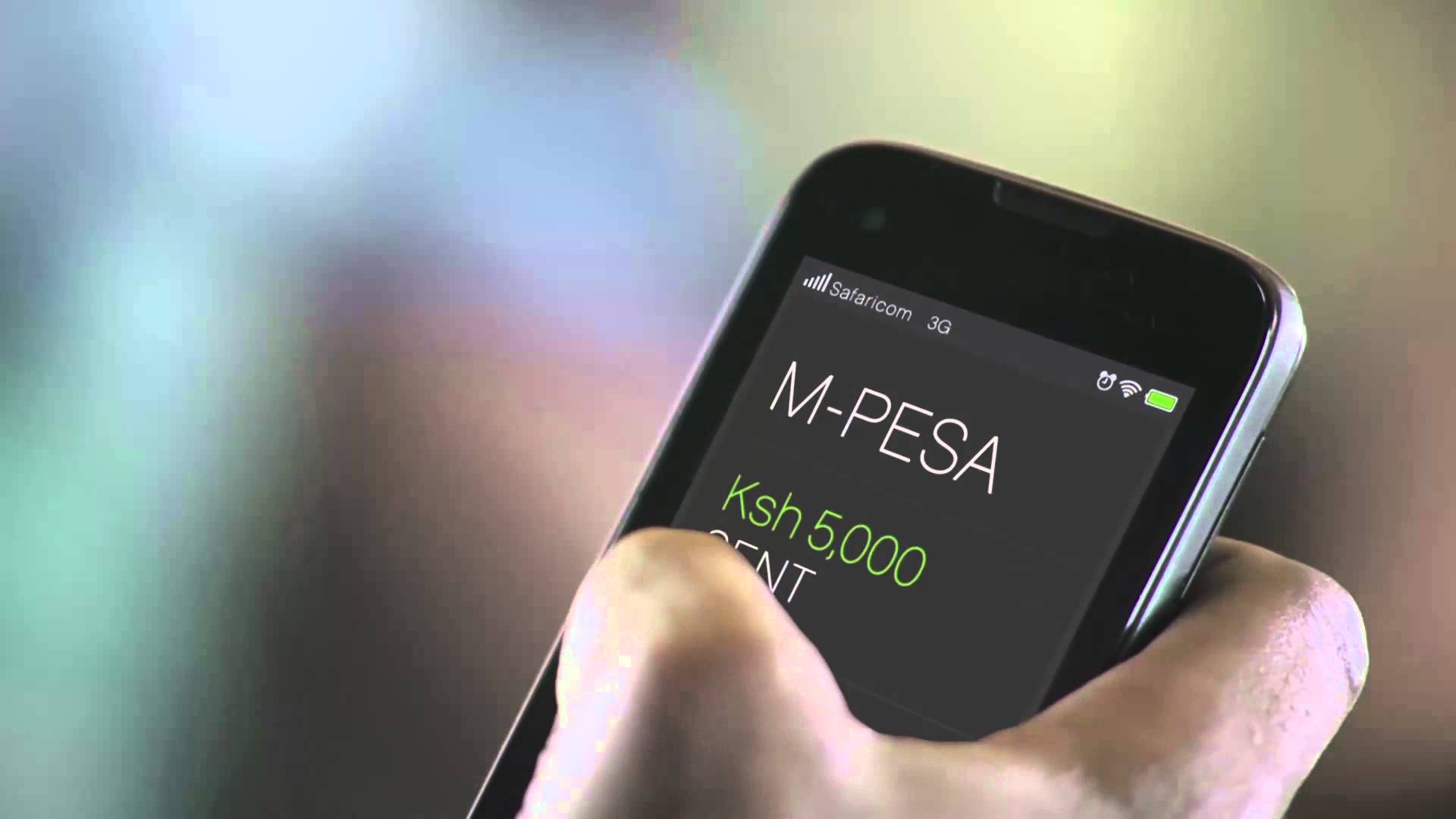
M-Pesa now has 37.91 million monthly active users in Kenya. In the financial year ending March 2026, customers moved KES 41.7 trillion through the platform across 46.4 billion transactions, a 25% jump in volume from the previous year.
To put the transaction value in perspective, Kenya’s GDP is roughly KES 15 trillion. M-Pesa is not just a payments app at this point. It is financial infrastructure.
Revenue from the platform hit KES 182.7 billion in the same period, up 13.4% year on year, making it the first Safaricom business unit to cross the KES 100 billion mark. It now accounts for 45.6% of Safaricom’s total service revenue.
The growth in transaction volume outpacing growth in transaction value is also telling. It means people are not just using M-Pesa for big one-off transfers anymore. They are using it constantly for small everyday purchases.
Raising transfer fees in that environment hits users more broadly and more frequently than it would have a decade ago. The proposal also has a consistency problem. Under current and proposed rules, traditional banking services are treated very differently.
ATM transactions, telegraphic transfers, foreign exchange, check handling, loan underwriting, and the issuance of securities are all classified as financial services and remain VAT-exempt.
M-Pesa, because it is licensed by the Central Bank of Kenya as a payment service provider rather than a bank, does not automatically qualify for those same exemptions. That distinction has already been the subject of litigation.
In October 2025, the Tax Appeals Tribunal ruled that KRA cannot collect 16% VAT from firms that connect banks, mobile money operators, and payment service providers, with Kenswitch at the center of the case.
A subsequent High Court ruling in August 2025 overturned that decision, holding that modern financial transactions conducted through electronic platforms still qualify as financial services and that the VAT Act does not require a provider to be registered under the Banking Act to qualify for tax exemption.
There are some carve-outs in the current proposal. M-Pesa products like Fuliza and M-Shwari, which involve partnerships with commercial banks, would remain VAT-exempt because of how those products are structured.
However, the core transfer service, the one used by nearly 38 million Kenyans to move money daily, would not be.
READ: Fuliza Skyrockets to 17.7 Million Users While Loan Sizes Shrink by 65%, Exposing Deepening Poverty
Tax experts have been critical of the proposal, viewing it as tilted in favor of traditional banks and likely to slow down investment in fintech. That concern is not abstract since Kenya’s mobile money ecosystem developed largely because it was accessible and cheap.
M-Pesa’s growth into a platform handling transaction volumes that dwarf the country’s GDP happened in an environment where the cost of sending money was kept low enough that even small transactions made sense.
A 16% VAT on platform fees changes that calculus, especially for the frequent small transactions that now make up most of M-Pesa’s volume.
READ: Finance Bill 2026 Proposes Earlier Tax Filing Deadline of April 30
The Finance Bill is still working its way through Parliament, but given how central M-Pesa has become to how Kenyans handle money, and that Safaricom now earns nearly half its revenue from it, this is one proposal that is unlikely to pass without a fight.